Patagonia in February: Everything To See & Do
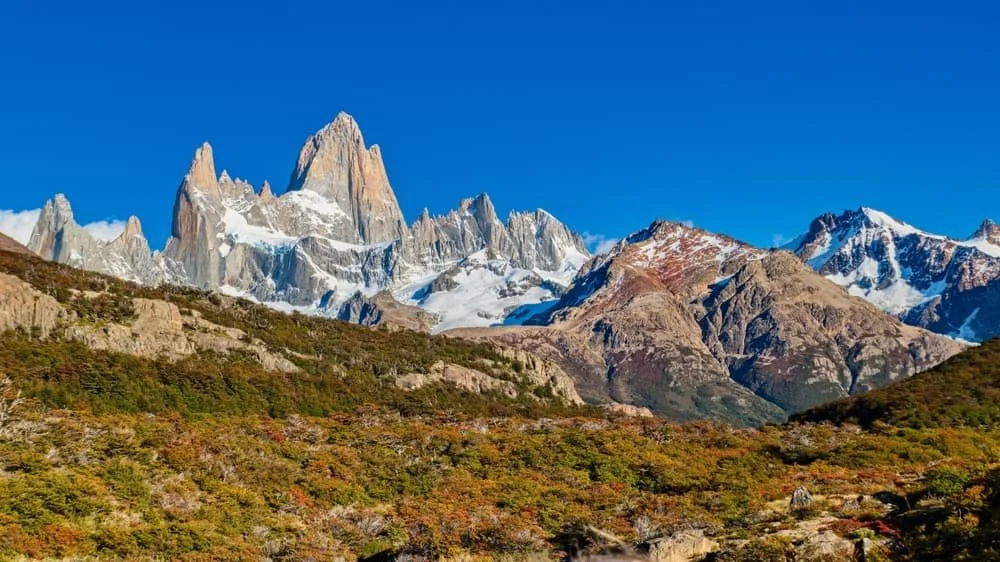
February in Patagonia represents the definitive peak of the austral summer, characterized by long intervals of daylight and the most stable atmospheric conditions of the calendar year. The landscape transition into late summer brings high visibility to the granite spires of the Massif and clear turquoise waters to the glacial lakes, providing a reliable window for technical exploration.
Visiting Patagonia in February allows travelers to access the full scope of the Southern Ice Field and high-altitude trails that remain impassable during other seasons. While this period attracts more visitors, the region's vast scale allows for highly curated, private experiences that maintain the sense of isolation and exclusivity our clients expect.
This guide details regional climate data, technical packing requirements, and signature destinations to assist you in planningluxury Patagonia tours to the southern end of the Andes.
Highlights of February in Patagonia
Optimal climate: This is the warmest month of the year with daytime highs reaching 22°C in northern sectors.
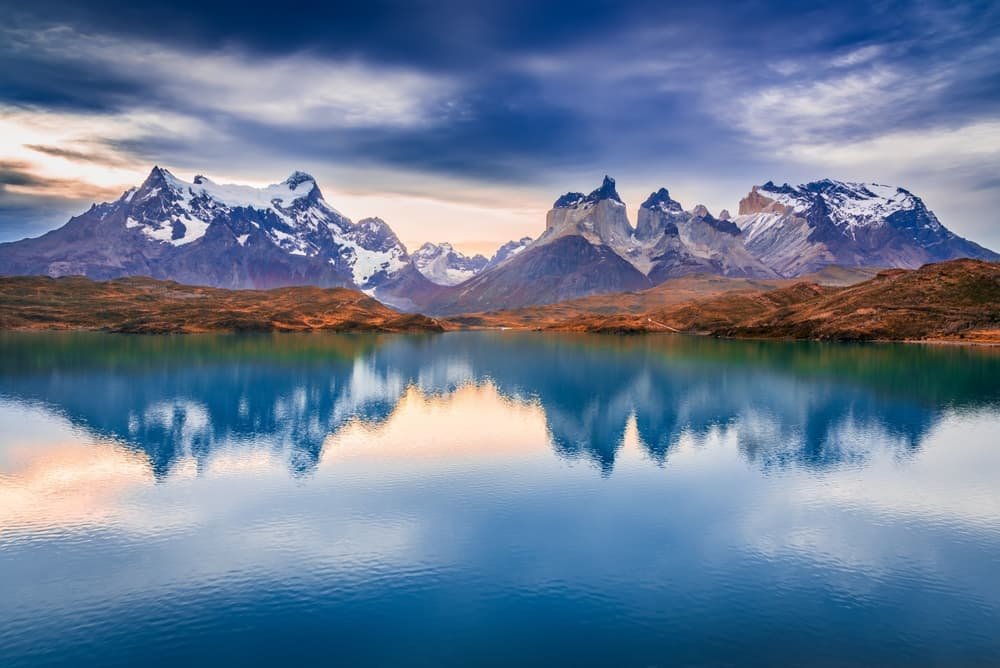
Diverse scenery: High visibility provides unobstructed views of the Continental Ice Field and the basaltic columns of the Paine Massif.
Tailored experiences: The stable window is ideal for private glacier trekking, puma tracking expeditions, and deep-fjord navigation.
Cultural events: Regional traditions are showcased at the Cochrane Folk Festival and the National Camp Tender Festival in Junín de los Andes.
What is the weather like in Patagonia in February?
The weather in Patagonia in February is characterized by the highest average temperatures and most consistent visibility of the year, making it the best time to visit Patagonia for outdoor activities.
Key Takeaways
Seasonal positioning: Peak austral summer.
General conditions: Primarily dry and mild although high winds remain a constant variable.
Best activities: Multi-day trekking, technical fly-fishing, and fjord cruises.
Temperature range: The temperature in Patagonia in February sees daytime highs of 13°C to 22°C and nighttime lows of 4°C to 8°C.
Weather Overview
February in Patagonia provides a reliable window for mountain activities although the region's unique geography causes rapid atmospheric shifts often described as four seasons in one day. Strong westerly winds with gusts exceeding 100 km/h are common in the Patagonian Steppe, which significantly lowers the effective temperature and necessitates technical windproof gear even on clear days.
The temperature in Patagonia in February varies by latitude, ranging from temperate 22°C highs in the Northern Lake District to more erratic 12°C averages in Southern Tierra del Fuego. Central regions like the Torres del Paine National Park maintain consistent daytime highs of 18°C, offering roughly two more hours of daylight and higher nighttime temperatures than are available during the following month of March.
Where to Go in Patagonia in February
Patagonia National Park (Chile)
Ideal for: Rewilding encounters and high-privacy wilderness immersion.
Climate & conditions: Arid and sunny with daytime temperatures averaging 20°C.
Signature experiences: Private kayaking on the Cochrane River and exploring the Chacabuco Valley.
Patagonia National Park is a rewilding triumph in the Aysén region, offering an alternative to the more frequented southern parks.Chilean Patagonia travel in February here focuses on the expansive grasslands where native huemul deer and pumas have been successfully restored to their natural habitats. The park’s architecture, inspired by traditional Patagonian estancias, provides a sophisticated base for exploring the high-altitude steppe and riparian forests.
Cerro Castillo National Park (Chile)
Ideal for: Intrepid trekking away from established tourist circuits.
Climate & conditions: High-alpine conditions with crisp mornings and stable 16°C afternoons.
Signature experiences: Guided 20km technical hikes to the glacial lagoon beneath Cerro Castillo’s basaltic peaks.
Often described as the next great frontier for visiting Patagonia in February, Cerro Castillo offers dramatic jagged spires and hanging glaciers without the density of travelers found in Torres del Paine. The peak summer window is the only time the Torres del Paine trekking itineraries and surrounding technical trails are reliably accessible. This destination is curated for those who prioritize raw, untamed landscapes and the exclusivity of having the trail almost entirely to themselves.
Los Huemules Private Reserve (Argentina)
Ideal for: Secluded forest exploration and private glacier views.
Climate & conditions: Temperate 17°C days with low wind speeds compared to the open steppe.
Signature experiences: Private access to the Cagliero Glacier and staying at a high-end refuge within the reserve.
Located just north of the village of El Chaltén, this private reserve offers a more intimate encounter with Patagonia's weather in February than the main national park trails. It provides exclusive access to the Cagliero Glacier, where visitors can engage in technical ice climbing or forest treks in a controlled, private environment. The reserve's limited entry ensures your encounter with the blue glacial lagoons remains personal and quiet.
The Aysén Fjords (Chile)
Ideal for: Private maritime expeditions and marine wildlife encounters.
Climate & conditions: Mild and oceanic with daytime highs of 15°C and low fog levels.
Signature experiences: Private vessel navigation through the Quitralco Fjord and thermal bath immersion.
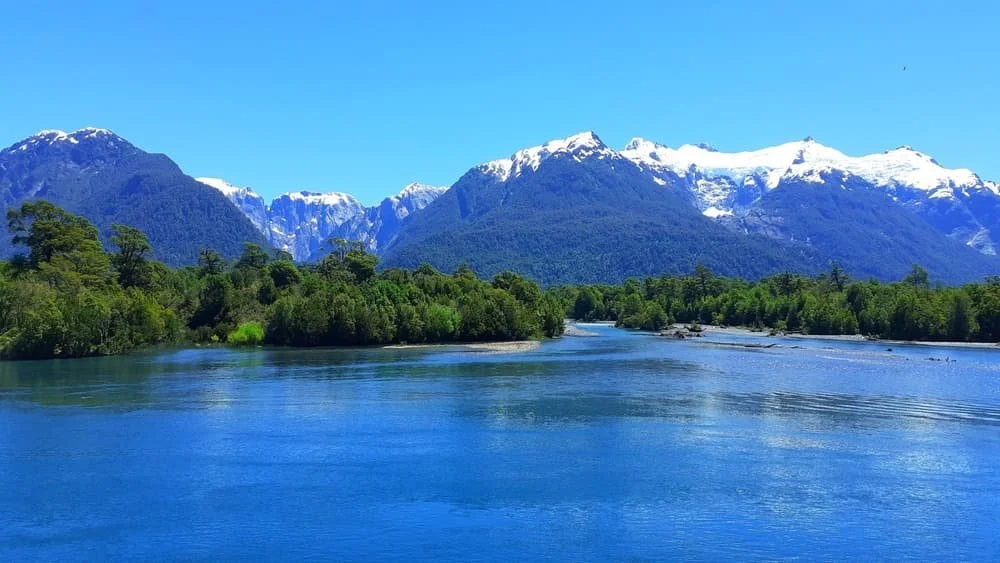
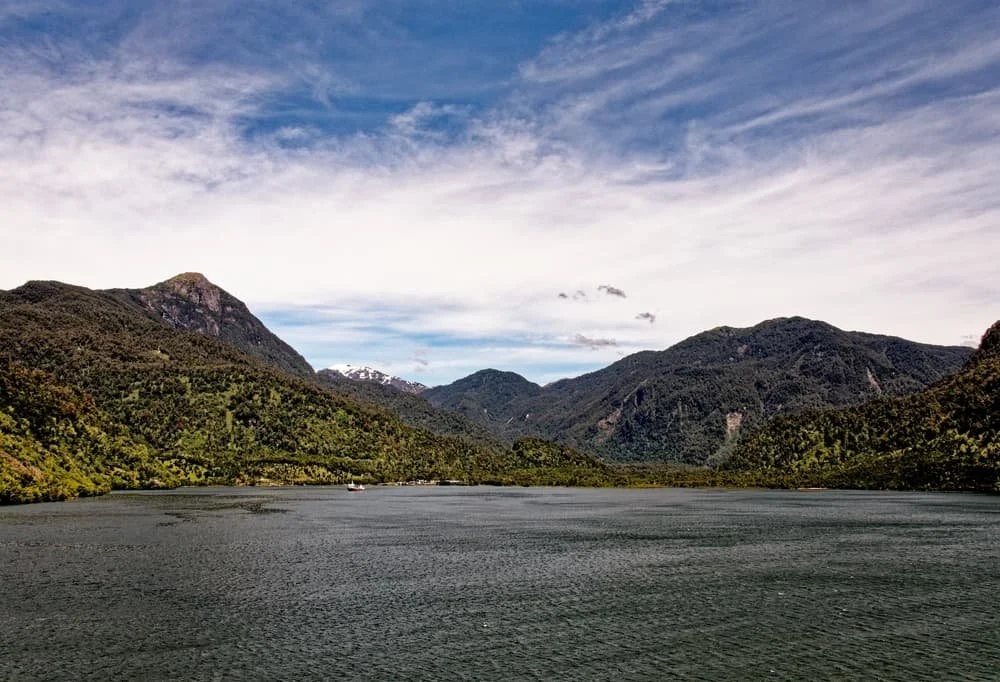
The Aysén Fjords represent one of the most secluded sectors for visiting Patagonia in February. The calmest sea conditions of the year occur during this month, facilitating private navigation through narrow channels to witness blue-ice glaciers calving directly into the Pacific. This region is particularly noted for its marine biodiversity, where clear summer skies enhance sightings of humpback whales and endemic dolphins against the backdrop of the temperate rainforest.
What to Do in Patagonia in February
Private Ice Climbing on the Cagliero Glacier
Why it's ideal this month: Superior ice stability and the lowest precipitation levels of the year.
Expected conditions: Intense glacial glare with temperate daytime conditions averaging 15°C on the ice.
Curated version: Private instruction on vertical ice walls within the Cagliero Sur field, accessed via a private via ferrata route.
For those seeking unique things to do in Patagonia, private ice climbing on the Cagliero Glacier offers a technical alternative to standard trekking. The dry Patagonia weather in February is essential for safely navigating the via ferrata that provides access to the glacier’s upper reaches. This experience is designed for maximum privacy, utilizing a secluded high-mountain camp as a base to explore vertical seracs and deep blue crevasses away from the busier trails ofPatagonia in Argentina.
Expedition Navigation to the O'Higgins Glacier
Why it's ideal this month: Low ice-choke in the fjords allows for a closer approach to the 300-meter-tall glacier face.
Expected conditions: Fresh maritime air with temperatures around 12°C.
Curated version: Private vessel charters departing from Villa O'Higgins to navigate the most remote border post between Chile and Argentina.
While many visit thePerito Moreno Glacier, the O'Higgins Glacier remains one of the top things to do in Patagonia for those who value rarity. Reaching this massive wall of ice requires navigating the deep turquoise waters of the Binational Lake, an area frequented by very few travelers. In February, the calmest lake conditions allow for a sophisticated approach to the glacier, often accompanied by a glass of local spirits chilled with ancient ice.
Private Astronomic Observation
Why it's ideal this month: Shortest night duration is balanced by the year’s highest percentage of cloudless nights.
Expected conditions: Cold night temperatures (2°C) requiring high-performance insulation.
Curated version: Guided stargazing sessions in the Elqui Valley or the Patagonian Steppe using professional-grade telescopes.
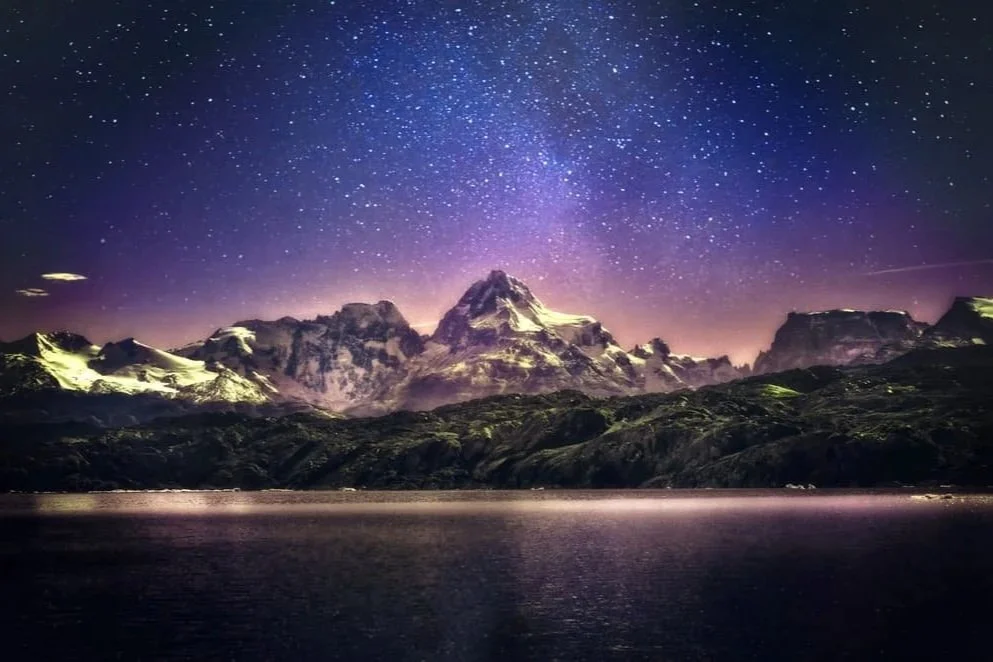
The dry temperature in Patagonia in February results in exceptional atmospheric clarity, making it a premier destination for southern hemisphere astronomy. Under the guidance of an expert astronomer, you can witness the Magellanic Clouds and the Southern Cross with unparalleled sharpness. This is one of the most fun things to do in Patagonia after a day of trekking, offering a profound perspective on the scale of the universe from one of the darkest places on earth.
Events in Patagonia in February
Fiesta Costumbrista de Cochrane
Location: Cochrane, Aysén Region, Chile
Dates: Typically the second weekend of February
Description
This event is the largest showcase of Patagonian pioneer culture in the Aysén region. Visitors witness traditional jineteada competitions and authentic asados that illustrate the enduring heritage of the region's gaucho communities.
Fiesta Nacional del Puestero
Location: Junín de los Andes, Argentina
Dates: Mid-February
Description
This festival honors rural workers and offers a deep immersion into bespoke Argentina travel traditions through elite horsemanship displays. It represents a rare opportunity to observe traditional gaucho skills preserved in a modern community context.
Semana Valdiviana (Closing Event)
Location: Valdivia, Chile
Dates: Late February
Description
This celebration marks the end of the southern summer with a magnificent nighttime river parade featuring hundreds of decorated vessels. The event culminates in a large-scale fireworks display that signals the transition into the autumnal shoulder season.
Are You Ready to Experience Patagonia in February?
February in Patagonia offers a rare intersection of climatic stability and raw natural drama. From the vertical ice walls of the Cagliero Glacier to the expansive grasslands of the Aysén region, the month provides the ultimate canvas for expert-led adventure. Whether you are seeking a technical mountaineering challenge or a secluded retreat in a private reserve, the height of the austral summer delivers the most profound version of the Patagonian landscape.
The window for a curated February journey is limited by the region's selective accommodation and expert guide availability. Contact our team today to begin planning bespoke Patagonia travel or a privately guided exploration tailored to your specific interests and requirements.
FAQs About Visiting Patagonia in February
Is February the best month to visit Patagonia?
February is the optimal month for travelers prioritizing stable weather, maximum daylight, and the highest probability of clear views of the granite massifs. While it is the busiest season, it provides the most reliable window for technical trekking and remote fjord navigation.
What should I wear in Patagonia in February?
Technical layering is essential to manage the region's rapid atmospheric shifts. We recommend a moisture-wicking merino wool base, a high-loft synthetic mid-layer for insulation, and a professional-grade GORE-TEX hardshell to combat high wind speeds.
What are the temperature ranges in Patagonia in February?
Daytime temperatures typically range from 13°C to 22°C, depending on latitude. Nighttime temperatures drop significantly, averaging 4°C to 8°C in central regions like Torres del Paine, necessitating insulated clothing for evenings.
Are there crowds in Patagonia in February?
February is peak season, meaning primary landmarks like the Base of the Towers will see higher foot traffic. We mitigate this through private logistics, early-start itineraries, and directing our clients toward exclusive private reserves and remote parks like Cerro Castillo.
Is Patagonia good for wildlife photography in February?
This is an exceptional month for wildlife encounters as the clear weather and long daylight hours facilitate visibility. In particular, the eastern sectors of Torres del Paine offer high success rates for private puma tracking expeditions during the summer peak.