Chile in July: Everything To See & Do
July is the heart of Chile's winter, the month when the Andes reach their maximum snowpack, the Atacama sky burns with celestial clarity, and the north erupts in one of the most extraordinary religious festivals on the continent. The mountains are at their most magnificent, heavy with fresh powder above resorts that rival the finest in the Northern Hemisphere, and the country's cultural intensity reaches a peak with the Fiesta de La Tirana drawing more than 200,000 visitors to a remote desert town in the Tarapacá region.
For those planning a bespoke journey to Chile in July, this is a month of full-season abundance. The ski resorts of Portillo and Valle Nevado are operating at their finest, the Atacama Desert's winter conditions deliver the clearest stargazing of the year, and the thermal baths of the Lake District invite a distinctive and deeply restorative encounter with Chile's volcanic landscape. July rewards the traveller who knows where to go, and when.
Highlights of July in Chile
Peak Ski Season: July brings the heaviest snowfall of the Chilean winter, with Portillo and Valle Nevado operating at full capacity across 36 and 39 runs respectively, delivering some of the finest ski conditions available anywhere in the Southern Hemisphere.
World-Class Stargazing: The Atacama Desert's winter conditions remain at their driest and most stable in July, delivering the most luminous night skies on Earth above an altiplano undisturbed by moisture or light pollution.
Fiesta de La Tirana: The most spectacular religious festival in Chile, and one of the largest in South America, takes place in the northern desert on July 16, drawing 200,000 visitors to witness elaborate diablada dances, vivid costumes, and the syncretic power of Andean and Catholic tradition.
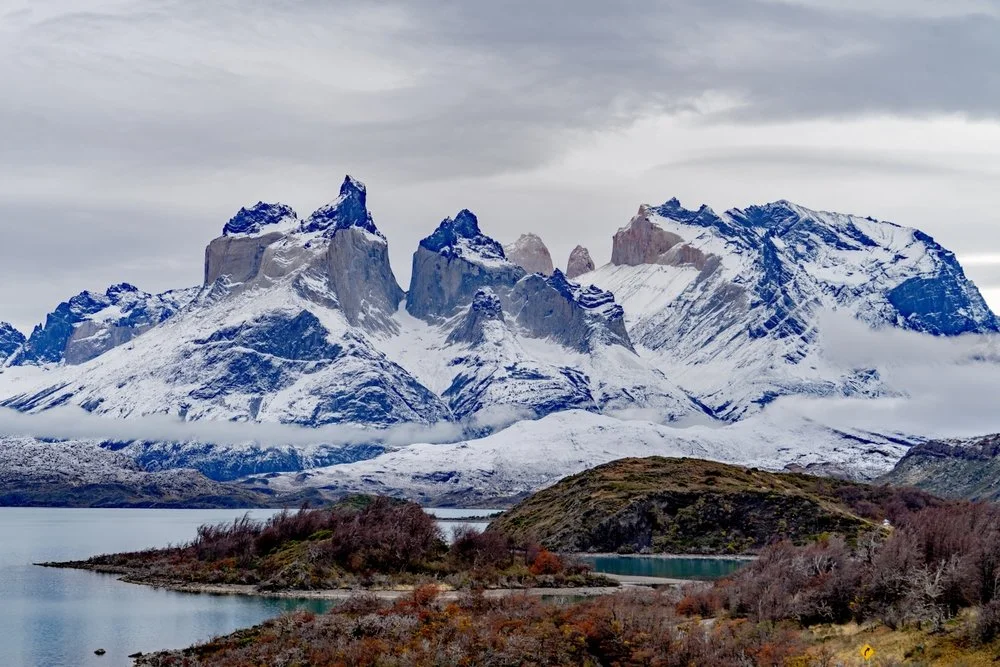
Volcanic Hot Springs: The geothermal reserves of the Lake District reach their most inviting contrast in July, with mineral-rich thermal waters steaming against a backdrop of snow-dusted volcanoes and misty ancient forest.
What is the Weather Like in Chile in July?
The weather in Chile in July marks the coldest and most wintry point in the Southern Hemisphere calendar, though the experience varies dramatically across the country's extraordinary 4,270-kilometre length. For most of Chile's marquee destinations, July represents an optimal rather than challenging time to visit.
Key Takeaways:
Seasonal positioning: Mid-winter (Southern Hemisphere), the coldest month of the year.
General conditions: Dry and cold in the north; cool with persistent rain in central Chile; cold, remote, and beautifully dramatic in the south.
Best activities this weather supports: Peak-season Andean skiing, Atacama Desert stargazing, thermal hot springs, cultural festivals, and Santiago winter exploration.
Temperature range: Daytime highs of 68°F (20°C) in the Atacama to overnight lows of 25°F (-4°C) in Patagonia.
Regional Climate Breakdown
In the northern Atacama Desert, July brings cool, dry days with afternoon temperatures of around 64–68°F (18–20°C) and nights that drop sharply to 30–34°F (-1°C to 1°C). The desert air remains bone-dry through the month, maintaining the extraordinary atmospheric transparency that makes this one of the world's premier astronomical observation sites. The proximity of La Tirana town, where July 16 brings one of the greatest festivals in South America, adds a unique cultural dimension to any northern itinerary.
Central Chile, including Santiago and the Maipo Valley wine country, experiences the year's lowest temperatures in July, with daytime highs averaging 57°F (14°C) and nights dropping to a crisp 39°F (4°C). July is traditionally the wettest month in this region, bringing extended periods of rain that coat the Andean peaks above the city in thick, heavy snow, creating ideal conditions for the ski resorts that sit just two hours from the capital. When the clouds lift, the views of freshly whitened mountains from Santiago's streets are extraordinary.
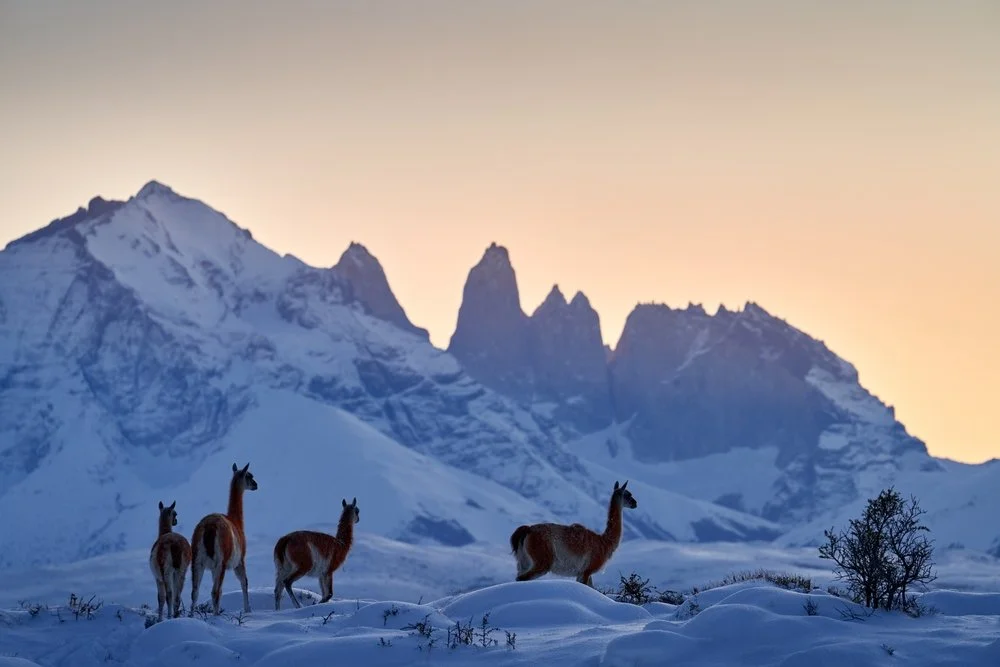
In the Lake District, cool, damp days with highs of around 48°F (9°C) give way to crisp evenings that make the region's geothermal hot springs a particularly compelling proposition. Volcanoes Villarrica and Osorno are capped in their heaviest winter snow, and the ancient Nothofagus forests carry a deep, rain-soaked quietness. Deep in Patagonia, July is the most challenging month for travel: daylight shortens to just 6 hours per day and temperatures average 43°F (6°C), though the solitude and austere winter grandeur it offers are available at no other time of year.
Where to Go in Chile in July?
The best places to visit in Chile in July are the Atacama Desert for matchless stargazing and the La Tirana festival, the Central Andes for peak ski conditions, Santiago for refined winter city life, and the Lake District for volcanic thermal baths. Each delivers a distinctly different face of the country's winter, and all four can be woven into a single bespoke itinerary.
Iquique
Ideal for: Base camp for the Fiesta de La Tirana, world-class paragliding, and UNESCO heritage exploration.
Climate & conditions: Warm, dry coastal desert days with highs of 64°F (18°C) and cool evenings around 54°F (12°C); virtually no rainfall.
Recommended clothing: Light breathable layers for daytime; a mid-weight jacket and scarf for evenings on the coast.
Signature experiences: A curated day excursion to the Fiesta de La Tirana (75km inland), paragliding from Cerro Dragon above the Pacific, and a private guided tour of the Humberstone UNESCO saltpeter works.
Iquique in July holds a distinctive position on the Chilean winter itinerary. A coastal city that is warm, dry, and architecturally compelling, it sits at the natural gateway to one of South America's most extraordinary cultural events, with La Tirana town just 75km inland. The city's ornate art deco centre, built during the nitrate boom of the late 19th century, gives it a character that sets it apart from Chile's other northern destinations, refined in its faded grandeur and overlooking a Pacific bay of vivid deep blue.
The ghost town of Humberstone, a UNESCO World Heritage Site standing empty on the desert floor, tells the full story of that nitrate era in atmospheric detail. Walking through the abandoned theatre, swimming pool, and market hall of a community that once housed 3,500 people is one of Chile's most unexpectedly affecting experiences. In July, with the dry desert air preserving every detail and tourist numbers at their lowest, the town carries a particular silence and weight that is difficult to encounter elsewhere.
The Central Andes: Portillo & Valle Nevado
Ideal for: Peak-season skiing and snowboarding, high-altitude Andean luxury, and elite winter sports instruction.
Climate & conditions: Cold and consistently snowy at altitude, with mountain temperatures around 25–28°F (-4 to -2°C) and the heaviest base of the entire ski season.
Recommended clothing: Full technical ski shell, insulated pants, polarised goggles, thermal base layers, and high-SPF mountain sunscreen.
Signature experiences: Carving wide-open powder runs above the turquoise surface of Laguna del Inca at Portillo, and a privately arranged heli-skiing descent into untracked Andean bowls accessible only by air.
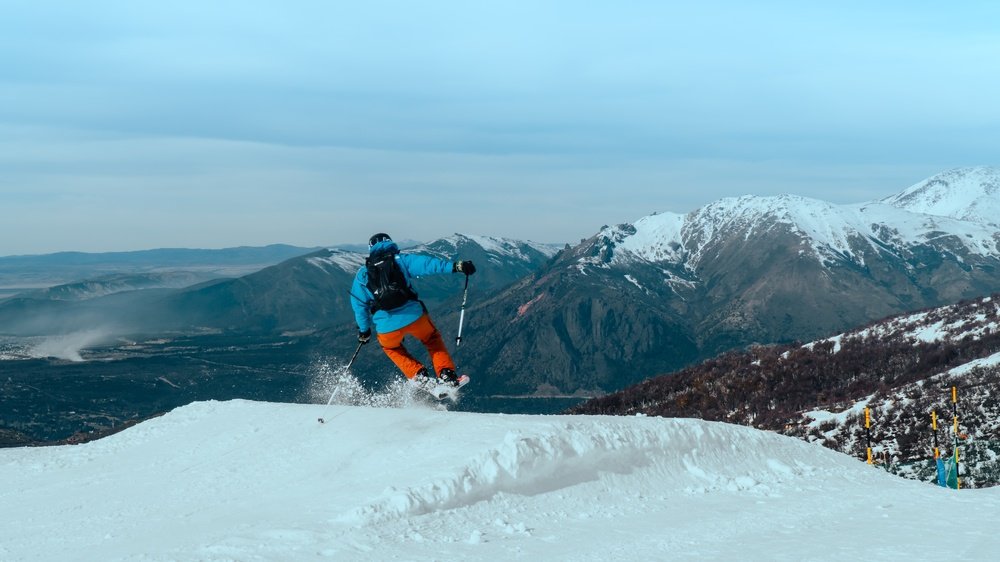
July is the prime month for skiing in Chile, particularly in the first two weeks before the school holiday rush arrives in the second half of the month. Portillo operates at its full season best, with the heaviest snowpack of the year and conditions ideally suited to expert skiers and confident intermediates alike. The resort's iconic Hotel Portillo (the only accommodation on the mountain) caps guests at 450 per week, maintaining the sense of rarefied mountain intimacy that has defined the resort for 77 years.
Valle Nevado, South America's largest ski area, also reaches its peak in July, with its upper terrain starting at 2,985 metres and offering some of the most demanding and rewarding piste skiing in the hemisphere. For those seeking exclusive access with maximum flexibility, a private jet charter from Santiago eliminates the road transfer entirely and puts guests on the mountain within the hour.
Santiago de Chile
Ideal for: Refined winter city exploration, private wine tastings, and luxury boutique shopping.
Climate & conditions: Cool, grey, and periodically rainy with highs of 57°F (14°C) and cool evenings at 39°F (4°C).
Recommended clothing: Tailored wool overcoat, fine cashmere knitwear, quality leather boots, and a well-constructed waterproof jacket.
Signature experiences: A private barrel tasting at a boutique Maipo Valley estate with snow-capped Andean peak views, and an afternoon at one of Vitacura's world-class private galleries.
July is Santiago at its most unhurried. When the clouds break, the Andes above the city are blanketed in their heaviest snow of the year, visible in extraordinary relief from San Cristóbal Hill and the rooftop bars of the Vitacura district. The city's restaurant scene, led by some of the finest chefs in South America, comes into its own in winter with menus built around seasonal Chilean ingredients: warming stews of merkén-spiced lamb, Patagonian king crab bisques, and single-vineyard Cabernet Sauvignons from the nearby Maipo Valley.
The capital also serves as the natural gateway to the ski resorts, wine country, and coastal Valparaíso, making it an ideal base for a varied Latin American winter itinerary that covers multiple experiences within easy reach of a single luxury hotel.
Lake District & Pucón
Ideal for: Volcanic hot springs, winter landscape photography, and intimate lodge stays.
Climate & conditions: Cool and atmospheric with highs of 48°F (9°C), misty forest mornings, and heavy snowfall on surrounding volcanoes.
Recommended clothing: High-performance waterproof jacket, sturdy waterproof boots, thermal base layers, and warm mid-layer fleece.
Signature experiences: A private soak at Termas Geométricas, a series of 20 thermal pools set into a remote ravine of red ferns and ancient araucaria, and a sunrise view of steam rising from the Villarrica volcano's summit crater.
The Lake District in July transforms into something close to an elemental sanctuary. Villarrica and Osorno volcanoes stand under their heaviest winter snowcap, the deep lakes lie still and grey under winter cloud, and the ancient Nothofagus forests carry the dense, rain-soaked silence of genuine wilderness. The thermal hot springs of the region are at their most compelling at this time of year, with the contrast of scalding mineral water and cold winter air creating an experience of profound physical restoration that is difficult to replicate elsewhere.
Termas Geométricas, tucked into a narrow ravine of deep red ferns near Pucón, offers 20 interconnected thermal pools at varying temperatures with private access options that remove entirely the crowd dimension. For those drawn to the deeper south, Rio Palena Lodge offers a secluded winter retreat in a remote landscape of rivers, ancient forest, and volcanic peaks that few travellers ever reach.
What to Do in Chile in July
The activities that define visiting Chile in July are shaped by the season at its most abundant: powder at its deepest, skies at their most luminous, geothermal springs at their most inviting, and the cultural calendar at its most spectacular.
Skiing in the Andes
Why it's ideal in this month: July is the peak of the Chilean ski season, with the heaviest snowfall of the year delivering the deepest base and the finest powder conditions across all the major Andean resorts.
Expected conditions: Average mountain temperatures of 25–28°F (-4 to -2°C), consistent snowfall, and the dense, dry Andean powder that gives the Andes a distinct advantage over European alpine snow.
Special tips: Book the first two weeks of July for the quietest slopes and best powder; the school holiday period in the final two weeks brings higher crowd levels, particularly at lift access points.
Possible premium/curated version: A bespoke heli-skiing charter departing directly from Santiago, accessing untracked deep-powder bowls in high-Andean terrain at elevations above 4,000 metres, far beyond the reach of any standard ski lift.
Skiing in Chile in July is a genuine alternative to the world's finest alpine resorts, not as a substitute but as an experience in its own right. The Andean powder is famously dry and light at altitude, the high-elevation sunshine is extraordinary, and the setting, with wide-open mountain terrain and the full Andes Cordillera stretching to the horizon, creates a sense of scale and freedom that is unlike anything in the Northern Hemisphere. Portillo's legendary saucer lifts, the heated outdoor pools above Laguna del Inca, and the intimacy of a mountain with 450 guests and a staff ratio of 1:1 represent a very particular kind of alpine perfection that once experienced, becomes an annual commitment.
Paragliding Above Iquique
Why it's ideal in this month: July's stable thermal winds above Cerro Dragon deliver some of the most consistent paragliding conditions of the year, with clear desert skies and a dramatic Pacific backdrop.
Expected conditions: Warm coastal days of 64°F (18°C), light onshore wind, and thermal columns that allow extended flights of 30 minutes or more above the city and bay.
Special tips: Fly in the morning before the sea breeze picks up; tandem flights with a certified instructor are available for those with no prior experience.
Possible premium/curated version: A private tandem flight with a world-class instructor followed by a curated lunch at a Pacific seafood restaurant overlooking Cavancha Bay, before an afternoon transfer to La Tirana for the festival.
Cerro Dragon, the great sand dune that rises directly above Iquique, is one of the most celebrated paragliding sites on the planet. Pilots and passengers launch from the dune's ridge and fly out over the city, the Pacific stretching west to an empty horizon while the Atacama Desert extends inland in every other direction. The thermal columns above the desert are exceptionally strong and smooth, generating long, stable flights with views that take in the full sweep of the northern Chilean coastline.
For those building an Iquique itinerary around the Fiesta de La Tirana, a morning flight above Cerro Dragon before the afternoon drive inland creates one of the most concentrated and contrasting days available anywhere in Chile: the Pacific from 300 metres above the city, then the desert floor at La Tirana as dusk approaches and the brass bands begin.
Thermal Hot Springs in the Lake District
Why it's ideal in this month: The mid-winter contrast between scalding mineral-rich waters and cold, crisp mountain air is at its most dramatic in July, and visitor numbers remain low enough to secure genuinely private access at the finest thermal sites.
Expected conditions: Air temperatures of 42–48°F (6–9°C) surrounding pools that range from 97°F to 107°F (36–42°C); occasional light rain and misty forest atmosphere.
Special tips: Arrive at Termas Geométricas early morning or late afternoon to avoid any day-visitor overlap; book private-hire pools in advance for exclusive access.
Possible premium/curated version: A privately arranged half-day at Termas Geométricas combined with a guided snowshoe walk through the ancient araucaria forest above Pucón, returning to a private lodge for a meal of local game and foraged Lake District ingredients.
The volcanic landscape of the Chilean Lake District is one of the most geothermally active on the planet, and July is when the cold makes them count. At Termas Geométricas, designed around 20 natural thermal pools in a narrow ravine of scarlet ferns near Pucón, the temperature contrast between the mineral water and the winter air creates a heightened physical experience that is deeply and lastingly restorative. The surrounding Nothofagus forest, heavy with winter rain and volcanic steam, adds an atmosphere of extraordinary wildness to what is, in essence, one of the most beautiful natural spas on Earth.
Events in Chile in July
Fiesta de La Tirana
Region: La Tirana, Tarapacá Region (northern Chile).
Dates: July 10–19 (peak celebration July 16).
The Fiesta de La Tirana is the largest geographically concentrated religious festival in Chile, and one of the most visually spectacular in South America. The town of La Tirana, with a permanent population of around 800 people, swells to over 200,000 visitors for the ten-day celebration honouring the Virgen del Carmen.
The festival's most iconic spectacle is the diablada: thousands of dancers in elaborate devil masks, jewelled costumes, and towering headdresses performing to the thunderous rhythm of brass bands in front of the white-walled sanctuary.
The celebration is a profound convergence of Aymara, Atacameño, and Catholic tradition, shaped by centuries of mining culture and indigenous ceremony. For travellers based in Iquique, just 75km to the west, the festival is easily reached as a curated day excursion and represents one of the most extraordinary cultural encounters available anywhere in South America.
Día de la Virgen del Carmen (National Holiday)
Region: Nationwide, with particular celebrations in La Serena, Valparaíso, and rural highland communities.
Date: July 16.
July 16 is a national public holiday in Chile, marking the Feast of the Virgen del Carmen, the patron saint of the Chilean armed forces and a deeply revered figure across the country. In Santiago and Valparaíso, military parades and religious processions mark the day with considerable solemnity. In rural and highland communities, particularly those with Aymara roots in the north, the day integrates Indigenous ceremony with Catholic devotion in a way that reflects the layered cultural identity of northern Chile. The coincidence of this national holiday with the peak of the La Tirana festival creates a remarkable intensity of cultural activity across the country on a single day.
Carnaval de Invierno
Region: Punta Arenas, Patagonia.
Dates: Last week of July.
In the sub-Antarctic latitude of Punta Arenas, where July means only 6 hours of daylight and temperatures that rarely lift above 43°F (6°C), the community defies the deep winter with a spirited Carnaval de Invierno. Elaborate parade floats, live music, fireworks, and competitive dancing inject warmth and colour into the darkest week of the year. The carnival reflects the resilient and irreverently festive spirit of Patagonia's southernmost communities, who have long turned the harshness of their environment into a reason to celebrate. For travellers already exploring the far south, including the dramatic landscapes of Torres del Paine, the carnival adds an unexpected dimension of human warmth to an otherwise elemental experience.
Are You Ready to Experience Chile in July?
July in Chile is the country's most abundant winter month, with snow at its deepest, skies at their clearest, and cultural life at its most vivid. Whether you are drawn by the prospect of carving first tracks on pristine Andean powder, standing beneath the full arc of the Milky Way in the high desert, or witnessing the extraordinary spectacle of La Tirana's 200,000-strong carnival of devotion and dance, this is a month that delivers depth and intensity across every kind of experience the country offers.
The Craft Travel team designs bespoke July itineraries that draw on deep local relationships, privileged access, and decades of expertise in curated Chilean travel. From private heli-skiing and observatory evenings to exclusive festival excursions and thermal lodge stays, every element of your journey is built around the specific kind of experience you value most.
Contact our team today to begin designing your July escape. For more seasonal context, explore our guide to Chile in June or discover what awaits in Patagonia in August as the austral winter begins its turn toward spring.
FAQs About Visiting Chile in July
Is July a good time to visit Chile?
July is the finest month in the Chilean year for two specific pursuits: skiing and stargazing. The Andes receive their heaviest snowfall, Portillo and Valle Nevado are at peak season, and the Atacama Desert's winter atmospheric conditions deliver the clearest night skies of the year. The Fiesta de La Tirana on July 16 adds a cultural event of extraordinary scale and spectacle to an already compelling seasonal offering.
What should I wear in Chile in July?
Layering remains essential across all regions. In the Atacama, light daytime layers are sufficient in the sun, but a heavy down jacket, thermal base layers, and windproof gloves are non-negotiable for evenings at altitude. Santiago calls for a tailored wool overcoat, cashmere knitwear, and quality leather boots. The ski resorts require full technical winter gear with high-SPF sun protection. For the Lake District, high-performance waterproofs and sturdy waterproof boots cover most conditions.
What are the temperature ranges in Chile in July?
Temperature in Chile in July varies considerably by region. The Atacama Desert reaches afternoon highs of 64–68°F (18–20°C), dropping to around 30–34°F (-1°C to 1°C) overnight. Santiago averages 57°F (14°C) by day and 39°F (4°C) at night. Ski resorts in the Central Andes sit around 25–28°F (-4 to -2°C) on the mountain, while Patagonian daytime highs peak at around 43°F (6°C) with considerably colder overnight temperatures.
Are there crowds in Chile in July?
July sits at the peak of the Chilean ski season, and resorts see their highest visitor numbers, particularly in the last two weeks when South American school holidays begin. Outside of the ski resorts, however, most Chilean destinations remain relatively uncrowded. For the ski mountains specifically, booking in the first two weeks of July provides significantly better conditions and more private access, while Portillo's cap of 450 guests per week ensures exclusivity regardless of the broader season.
Is Chile good for skiing in July?
July is the prime month for skiing in Chile. The Andes receive their heaviest snowfall in July and August, and the high-altitude, dry Andean powder delivers conditions that rival the finest in the Northern Hemisphere. Portillo, with 36 runs, 14 lifts, and a maximum of 450 guests, is at full season, and Valle Nevado operates across its full 39-run extent. Explore our bespoke Chile itineraries or contact our travel designers for help combining a ski week with other Chilean experiences.
What cultural events take place in Chile in July?
July is home to Chile's most spectacular cultural event: the Fiesta de La Tirana (July 10–19), which draws more than 200,000 visitors to a remote desert town in the Tarapacá region for ten days of diablada dancing, elaborate costuming, and the convergence of Aymara and Catholic tradition. July 16 is also a national public holiday, Día de la Virgen del Carmen, celebrated with military parades in Santiago and religious ceremonies nationwide. Punta Arenas hosts its Carnaval de Invierno in the final week of the month.