Chile in September: Everything To See & Do
September marks the start of spring in Chile, and it is the month the country's calendar turns most decisively toward celebration. Fiestas Patrias, the national independence holiday, falls on September 18 and 19, and for those two days the country largely stops to mark it: flags on every building, rodeos in the regions, and family gatherings built around asado and cueca. For anyone planning a trip to Chile in September, that alone makes the month worth building an itinerary around.
The rest of the country is shifting too. The Andean ski resorts are running their final weeks of the season, the coastal wine valleys are coming out of winter dormancy, and in years when winter rainfall has been sufficient, the northern desert edges toward its rare flowering bloom. September is a transitional month in Chile, not a peak one, and that transition is exactly what makes it interesting.
Highlights of September in Chile
Fiestas Patrias: Chile's national independence celebrations, also known as Chilean Independence Day, run September 18–19, with fondas, rodeos, and cueca dancing taking place from Arica to Punta Arenas.
Final Weeks of Skiing: Portillo closes for the season around late September, while Valle Nevado and La Parva run into October, giving late-season skiers a last window on Andean powder.
Spring Wine Country: The coastal Casablanca Valley comes out of winter dormancy in September, with vines budding and far fewer visitors than the autumn harvest months.
Elqui Valley Stargazing: Clear spring skies and low humidity make September a strong month for visiting the Elqui Valley's observatories, including the research-grade Cerro Tololo Inter-American Observatory.
Possible Desert Bloom: In years with sufficient winter rainfall, the desierto florido, or flowering desert, begins to appear along the Atacama–Coquimbo border from mid-September.
What Is the Weather Like in Chile in September?
September marks the first month of Southern Hemisphere spring in Chile, and conditions vary sharply by region as the whole country warms up out of its winter lows. Chile's weather in September swings widely between the bone-dry north and the wetter south. Understanding Chile's September climate region by region is the key to packing and planning correctly.
Key Takeaways:
Seasonal positioning: Early spring (Southern Hemisphere)
General conditions: Dry with wide day-night temperature swings in the north; mild and increasingly sunny in central Chile; wet and cool in the Lake District; cold with building spring winds in Patagonia
Best activities this weather supports: Late-season Andean skiing, desert and stargazing excursions, spring wine tasting, and early-season Patagonia trekking
Temperature range: Daytime highs of 66°F (19°C) in the Atacama to overnight lows near 30°F (-1°C) in Patagonia
Regional Weather Breakdown
| Region | Daytime High | Nighttime Low | Conditions |
|---|---|---|---|
| Atacama (north) | ~66°F (19°C) | ~30°F (-1°C) | Clear, dry, wide day-night swing |
| Santiago / Central Chile | ~66°F (19°C) | ~41°F (5°C) | Mild, increasingly sunny |
| Lake District | ~56°F (13°C) | ~39°F (4°C) | Cool, wet, frequent rain |
| Patagonia (south) | ~46°F (8°C) | ~30°F (-1°C) | Cold, building spring winds |
In the Atacama, September brings the same bone-dry conditions as the winter months but with milder daytime temperatures than August, while the high-altitude desert still drops sharply after dark. Central Chile warms noticeably through the month: Santiago's rainy season is largely over by September, and increasingly clear days reveal the Andes still capped in their late-winter snow.
Further south, the Lake District remains one of the wetter regions in September, with the araucaria forests still carrying winter moisture. In Patagonia, September is an early and difficult transition month: daytime temperatures climb slowly, but the region's notorious winds begin building toward their spring intensity, and conditions can shift quickly from calm to severe.
Where to Go in Chile in September
The best places to visit in Chile in September are San Pedro de Atacama and the Elqui Valley in the north, the Casablanca Valley and Santiago in the centre, and Torres del Paine for those willing to trek in early spring conditions.
San Pedro de Atacama
Ideal for: Desert landscape photography, geothermal exploration, and evening stargazing.
Climate & conditions: Clear days around 66°F (19°C) with nights dropping to near freezing.
Recommended clothing: Light layers with sun protection for the day; a heavy down jacket and thermal layers for after dark.
Signature experiences: Sunrise at the El Tatio Geysers, an afternoon in the Cordillera de la Sal, and a private observatory evening on the altiplano.
San Pedro de Atacama in September carries the same dry clarity as the winter months, with daytime temperatures becoming noticeably more comfortable for extended excursions. The Cordillera de la Sal and Valle de la Luna remain at their quietest before the summer season brings higher visitor numbers, and the region's finest lodges offer full access to guides and vehicles without the competition of peak months.
Elqui Valley
Ideal for: Astronomical tourism, pisco tastings, and wellness-focused stays.
Climate & conditions: Warm, dry days around 70°F (21°C) with cold, exceptionally clear nights.
Recommended clothing: Layers for daytime warmth; a warm jacket for evening observatory visits.
Signature experiences: A guided evening at the Cerro Tololo Inter-American Observatory, and a private pisco tasting at a family-run distillery near Vicuña.
The Elqui Valley sits at the southern edge of the Atacama, and its combination of high altitude, minimal light pollution, and low humidity has made it one of the most significant sites for professional astronomy anywhere on Earth.
The Cerro Tololo Inter-American Observatory, which operates the 4-metre Víctor M. Blanco Telescope at 2,200 metres above sea level, remains an active research facility as well as a visitor site. In years when winter rains have been sufficient, this is also the region where the flowering desert first appears, from the third week of September onward.
Casablanca Valley
Ideal for: Cool-climate wine tasting and vineyard visits close to Santiago.
Climate & conditions: Mild, breezy days around 63°F (17°C), cooled by the nearby Pacific.
Recommended clothing: Smart-casual layers and a light jacket for the coastal breeze.
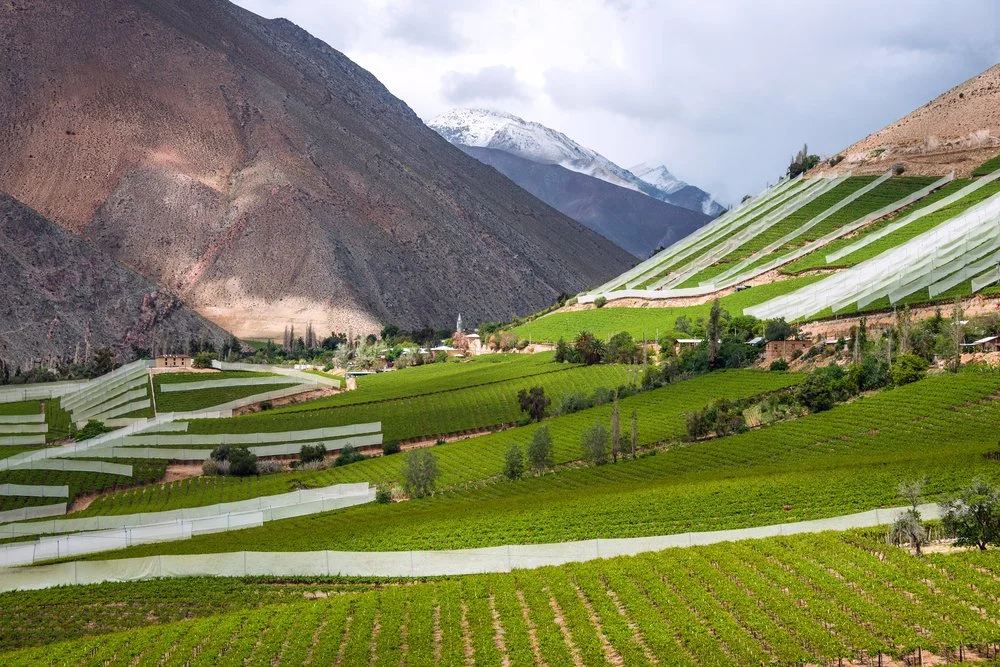
Signature experiences: A private Sauvignon Blanc and Pinot Noir tasting at a boutique estate, and a vineyard walk as the season's first buds appear on the vines.
Sitting just 80 kilometres from Santiago and 40 kilometres from Valparaíso, the Casablanca Valley is one of Chile's most accessible wine regions and one of its coolest, thanks to Pacific fog that rolls in most mornings.
September marks the start of the growing season, with vines coming out of winter dormancy and far fewer visitors than during the autumn harvest. It is a distinctly different wine experience from the Central Valley estates covered in our guide to Chile in August: lighter, cooler, and built around the region's international reputation for Sauvignon Blanc.
Santiago
Ideal for: City exploration, spring blossom season, and a base for day trips to the ski resorts or wine country.
Climate & conditions: Mild, increasingly sunny days around 66°F (19°C) with cool evenings near 41°F (5°C).
Recommended clothing: Layered smart-casual wear, with a light coat for cooler mornings.
Signature experiences: Jacaranda and cherry blossom season in Lastarria and Providencia, and a day trip to the ski resorts while the season is still running.
Santiago in September benefits from clearing skies and the first real warmth of the year, with the Andes still visible in full winter white above the city. The parks and boulevards of Providencia and Bellavista come into flower during the month, and with Fiestas Patrias falling in September, the city's own fondas and public celebrations offer a concentrated introduction to the holiday for visitors who are not travelling to the regions.
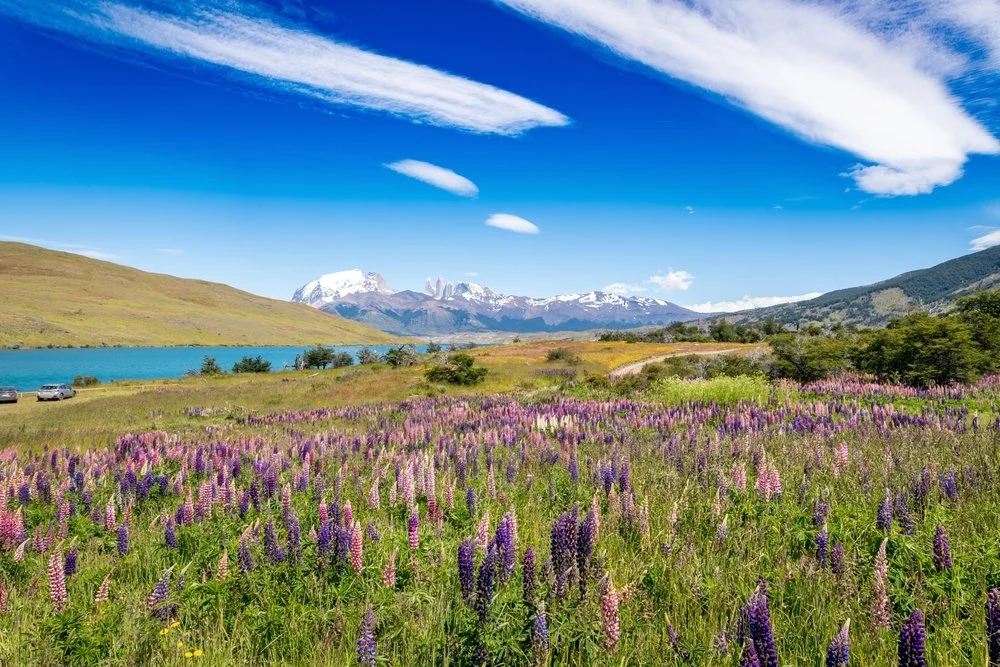
Torres del Paine
Ideal for: Early-season trekkers who prioritise solitude over settled conditions.
Climate & conditions: Cold, with daytime highs around 46°F (8°C) and building spring winds.
Recommended clothing: Full technical layering, windproof outer shell, and waterproof boots.
Signature experiences: Early views of the Torres granite spires with minimal trail traffic, and a private guided approach to the base of the towers before the main trekking season begins.
Visiting Torres del Paine in September should be approached honestly: this is not yet the settled trekking weather of the Southern Hemisphere summer, and Patagonia's winds are beginning to build. For experienced hikers who value having the trails largely to themselves, though, September offers a sense of solitude that the December-to-March season cannot match.
What to Do in Chile in September
The best things to do in Chile in September are shaped by the season's identity as both a national holiday month and the first stretch of spring across the country's diverse regions.
Celebrating Fiestas Patrias
Why it's ideal in this month: Fiestas Patrias is Chile's most significant national holiday, celebrated with a depth and consistency found nowhere else in the calendar.
Expected conditions: Nationwide celebrations from September 18–19, with many businesses closed and travel patterns shifting around the holiday.
Special tips: Book accommodation and private transport well in advance, as roughly two million Chileans travel domestically over the holiday period. Our travel designers can arrange this ahead of the rush.
Possible premium/curated version: A private evening at a traditional fonda with a Craft Travel guide, including a curated introduction to cueca, empanadas, and Chilean rodeo.
Fiestas Patrias in Chile every September marks the anniversary of the country's first governing junta of 1810, with September 18th honouring independence and September 19th dedicated to the armed forces.
Fondas and ramadas are built as temporary venues for the holiday, they open across the country, from northern desert towns to the fjords of the far south.
Cueca, Chile's national dance, is performed throughout, alongside asado, empanadas, and chicha. For travellers who want a genuine window into Chilean identity, Fiestas Patrias is the single best opportunity the calendar offers.
Chasing the Flowering Desert
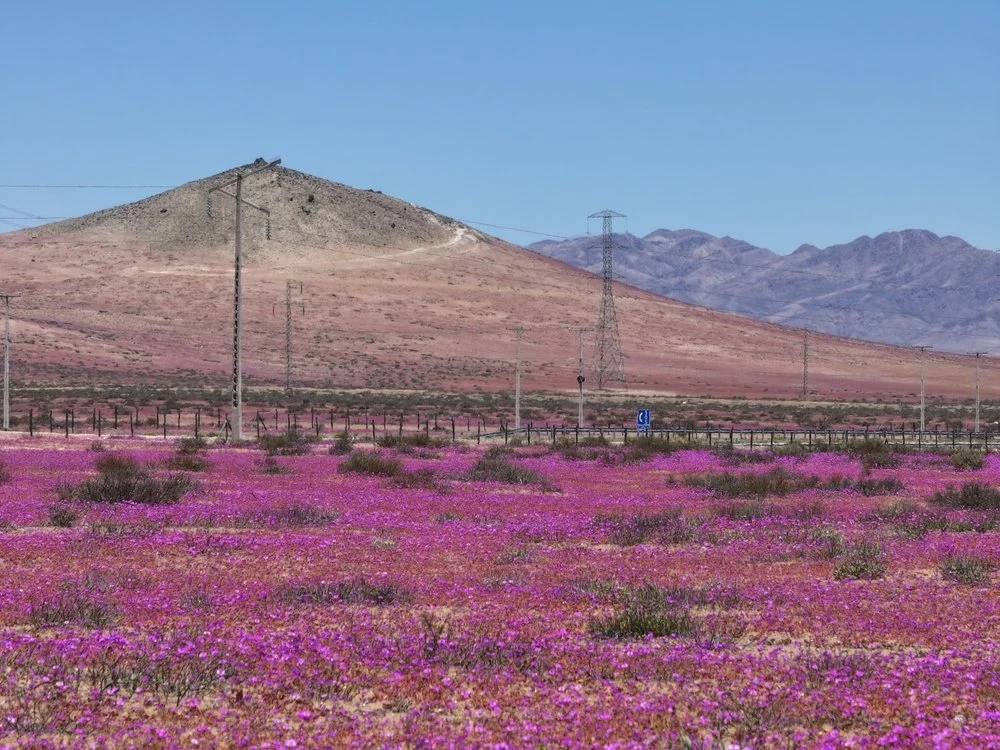
Why it's ideal in this month: In bloom years, the desierto florido begins to appear from the third week of September, transforming sections of the world's driest desert into fields of colour.
Expected conditions: Dependent entirely on winter rainfall; not a guaranteed annual event.
Special tips: Confirm bloom conditions with a local specialist before building a trip around this experience, as the phenomenon requires 15 to 30 millimetres of winter rain to trigger.
Possible premium/curated version: A private guided excursion into the bloom zone with a botanist, timed to the specific conditions of that year's rainfall.
The flowering desert is one of the most striking natural events anywhere in Chile, but it is not something that happens every year. It requires a precise combination of winter rain, falling mainly in June and July, followed by enough cold hours to trigger dormant seeds across the Atacama–Coquimbo border. When conditions align, purple and yellow wildflowers can carpet stretches of desert that otherwise stay barren for years at a stretch.
Stargazing in the Elqui Valley
Why it's ideal in this month: Spring brings clear, dry skies to the Elqui Valley, and the region's near-total absence of light pollution makes it one of the most significant astronomical sites in the world.
Expected conditions: Warm days giving way to cold, exceptionally clear nights.
Special tips: Book observatory visits in advance, as tours are limited in group size and require advance notice.
Possible premium/curated version: A private evening session with an astrophysicist guide, paired with a tasting from a family-run pisco distillery in the valley below.
The scientific community chose the Elqui Valley for the same reasons that make it compelling for visitors: extreme dryness, high altitude, and skies with almost no artificial light.
The Cerro Tololo Inter-American Observatory has operated research telescopes here since the 1960s, and its continued active use is a reminder that this is a working scientific site, not simply a viewing platform. A night spent here, with the Milky Way arched directly overhead, is one of the more grounding experiences available anywhere in Chile.
Spring Wine Tasting in Casablanca Valley
Why it's ideal in this month: September marks the start of the growing season, with vines budding and estates open without the crowds of the autumn harvest.
Expected conditions: Mild, breezy days with morning coastal fog that clears by midday.
Special tips: Visit in the late morning once the fog has lifted for the clearest views across the vineyards.
Possible premium/curated version: A private tasting at a boutique Casablanca estate paired with a walk through the vines as the season's first growth appears.
Casablanca's cool coastal climate, driven by fog rolling in from the Pacific, has built its reputation for Sauvignon Blanc and Pinot Noir over the past three decades. September offers a different kind of wine country visit to the barrel-focused tastings of deep winter: this is the season of new growth, with estates quieter than during the Central Valley's autumn harvest rush further inland.
Events in Chile in September
September is the busiest month in Chile's national calendar. Fiestas Patrias is the headline event, running September 18–19 and commonly extending into a long weekend from September 17–20.
Beyond the main celebration, here are a few other dates in September that are worth knowing about.
Army Day Parade (Día de las Glorias del Ejército)
Region: Santiago, Parque O'Higgins
Date: September 19
The formal military parade in Santiago is one of the largest annual public events in the country, drawing large crowds to Parque O'Higgins to watch army, navy, air force, and police units march before the president and visiting dignitaries. For visitors based in Santiago over Fiestas Patrias, it is free to watch from the public viewing areas around the park, with no booking or travel to a regional fonda required.
Spring Equinox
Region: Nationwide
Dates: Around September 22–23
The spring equinox in Chile falls in the days following Fiestas Patrias, reinforcing September's identity as the genuine start of the country's spring season. While not marked by organised events in the way the independence celebrations are, the equinox coincides with the first blossoms in Santiago's parks and the earliest stages of the desert bloom further north.
Are You Ready to Experience Chile in September?
September in Chile is best for travellers who want to see the country during a genuine moment of national identity, not just a season of good weather. Fiestas Patrias brings the whole country together in a way no other month does, and it happens alongside the last of the Andean powder, the first vineyard growth in Casablanca, and, in the right year, one of the most unusual natural events anywhere on Earth.
For further seasonal context, explore our guide to Chile in August for the country's late-winter character, or Patagonia in September for how the season unfolds across the border in Argentina.
This Chile September travel guide, and Chile spring travel more broadly, is designed to be a starting point rather than the finished plan. Contact our team today to begin planning your September journey.
FAQs About Visiting Chile in September
Is September a good time to visit Chile?
For travellers weighing up the best time to visit Chile in September against other months, September is a strong choice: it combines Fiestas Patrias, Chile's most significant national holiday, with the tail end of the ski season, warming desert conditions, and the start of the wine country's growing season, though Patagonia remains an early-season destination best suited to experienced travellers.
What should I wear in Chile in September?
Dressing in layers is essential when preparing for the weather in Chile during September. The Atacama and Elqui Valley need light daytime layers with a heavy jacket for cold, clear nights. Santiago and Casablanca call for smart-casual layers and a light coat. The ski resorts require full technical gear, and Torres del Paine in September demands complete windproof and waterproof layering for building spring winds. What to pack for Chile in September ultimately depends on how many regions a single trip covers.
What are the temperature ranges in Chile in September?
Temperature in Chile in September varies widely by region. The Atacama reaches daytime highs of around 66°F (19°C), dropping to near 30°F (-1°C) overnight. Santiago averages 66°F (19°C) by day and 41°F (5°C) at night. The Lake District sees highs around 56°F (13°C) with frequent rain, while Patagonia averages around 46°F (8°C) by day with cold, building spring winds.
Are there crowds in Chile in September?
Crowd levels rise sharply around Fiestas Patrias itself, when around two million Chileans travel domestically, so accommodation and transport should be booked well ahead of September 18–19. Outside the holiday period, most regions of Chile remain in their quieter shoulder season, with the exception of the ski resorts in their final operating weeks.