Patagonia in January: Everything To See & Do
January represents the peak of the Southern Hemisphere’s summer in Latin America, offering travelers approximately 18 hours of daily sunlight to explore the region. This extended daylight provides the most stable window for navigating Patagonia's diverse terrain, stretching from the northern Lake District to the southern fjords of Tierra del Fuego.
For those planning an expedition, January delivers the warmest temperatures of the calendar year and the clearest visibility for viewing Andean peaks. These conditions are ideal for witnessing dramatic glacial calving and accessing remote high-altitude trails that remain impassable during other months.
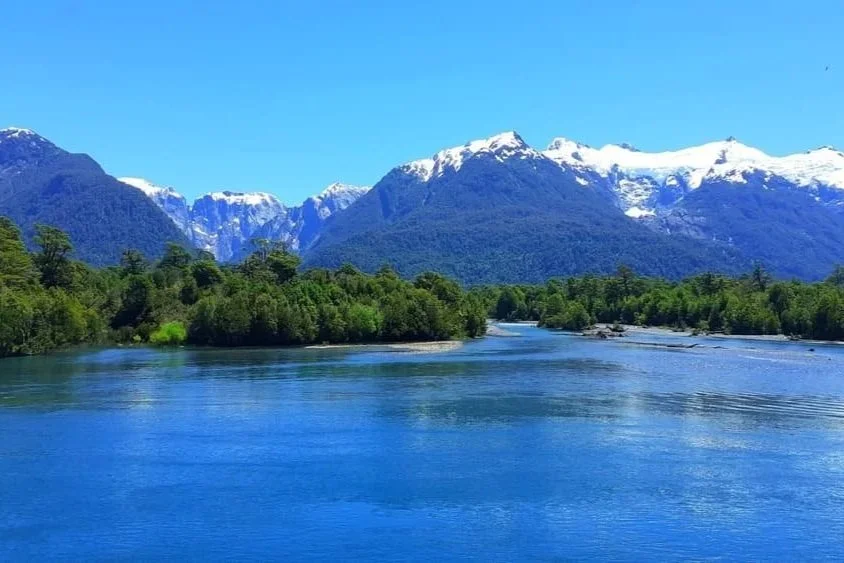
Highlights of January in Patagonia
Optimal climate: Average highs reach 75°F (24°C) in the north and 64°F (18°C) in the south.
Diverse scenery: Low precipitation levels ensure clear views of the granite massifs and turquoise glacial lakes.
Tailored experiences: The extended daylight hours facilitate long-distance trekking and remote fly-fishing expeditions.
Cultural events: Regional traditions are highlighted during the Festival de la Esquila (Sheep Shearing) and the Semanas Musicales in Frutillar.
What is the weather like in Patagonia in January?
The weather in Patagonia in January is characterized by peak summer temperatures, minimal rainfall, and high wind speeds. While this is the most reliable month for outdoor activities, travelers should prepare for rapid atmospheric changes.
Key Takeaways:
Seasonal positioning: Peak summer; high season.
General conditions: Dry and clear with frequent winds reaching 60–100 km/h.
Best activities: Ideal for hiking Patagonia in January, multi-day trekking, and private cruises.
Temperature range: Daily highs of 57°F to 72°F (14°C to 22°C); nightly lows of 39°F to 50°F (4°C to 10°C).
Regional Weather Overview
The region’s immense scale ensures that the weather in Patagonia in January varies significantly between the northern lake districts and the southern archipelago. While January is significantly warmer and more stable than visiting Patagonia in December, it represents the absolute peak of the thermal season, with the most consistent sunshine.
Northern Patagonia (Bariloche & The Lake District)
In the north, the temperature in Patagonia in January is the mildest of the year, with average highs reaching a consistent 75°F (24°C). This Mediterranean-style climate experiences its lowest annual rainfall, ensuring the Nothofagus forests remain vibrant and accessible.
The calm morning waters of Lake Nahuel Huapi are perfect for private kayaking or yacht excursions before the afternoon breezes develop. These predictable conditions make it the premier month for technical fly-fishing in the Limay and Manso rivers.
Central Patagonia (Aysén & El Chaltén)
Travelers visiting the central massif will find that January in Patagonia offers the year's best visibility as the dry season reaches its peak. While average temperatures sit around 68°F (20°C), the winds reach their annual peak, often exceeding 60 km/h on open trails.
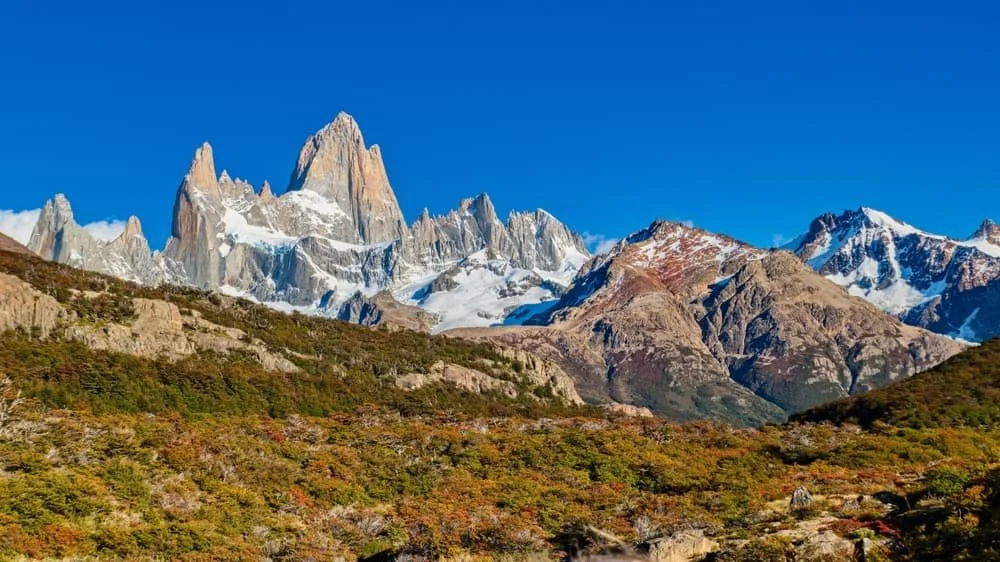
These dry, clear conditions provide the highest probability for unobstructed views of the Fitz Roy and Cerro Torre spires. The intense summer sun highlights the stark turquoise of the General Carrera Lake and the hidden Marble Caves.
Southern Patagonia (Karukinka & Tierra del Fuego)
Further south, the temperature in Patagonia in January remains brisk but accommodating, averaging 59°F (15°C) during the day. You can expect up to 18 hours of daylight in Tierra del Fuego, allowing for late-evening photography sessions in golden hour light.
The proximity to the Southern Ice Field means travelers must still prepare for the "four seasons in one day" phenomenon. However, January offers the most stable trail conditions of the year, making it the preferred window for private multi-day expeditions.
This climatic stability is ideal for those planning a cross-border expedition through the south. The long days ensure seamless helicopter transfers or private vehicle travel between the Chilean and Argentine frontiers. This month also marks theheight of summer in Antarctica for those continuing south
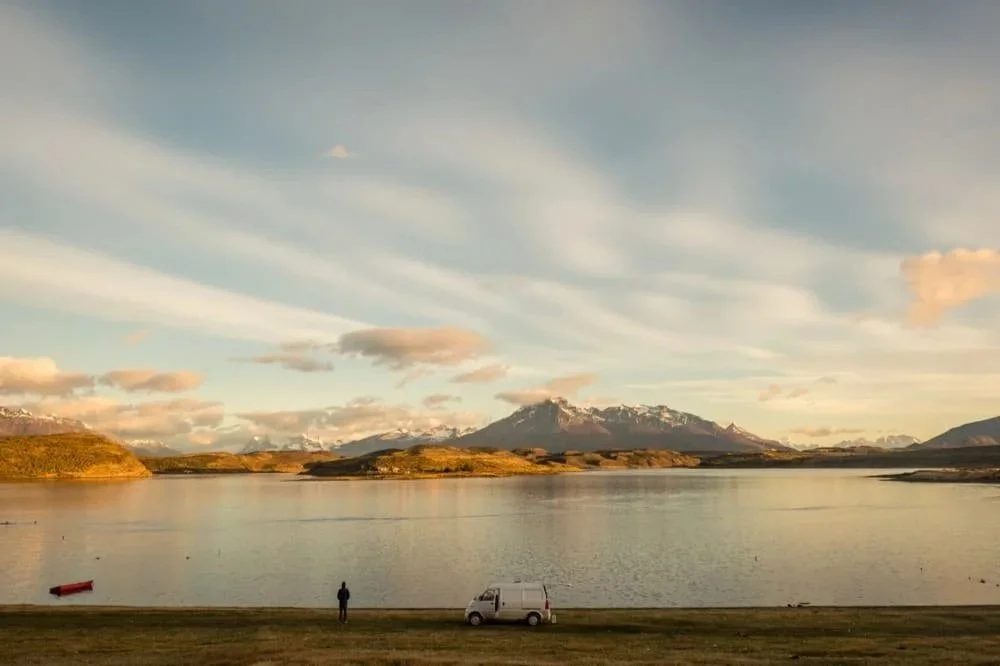
Where to Go in Patagonia in January
Karukinka Natural Park (Tierra del Fuego, Chile)
Ideal for: Total seclusion and exploration of sub-Antarctic forests.
Climate & conditions: Highs of 54°F (12°C); near-constant daylight.
Recommended clothing: High-performance waterproof layers and thermal base layers.
Signature experiences: Observing the unique Andean condors nesting in the sea cliffs of Admiralty Sound.
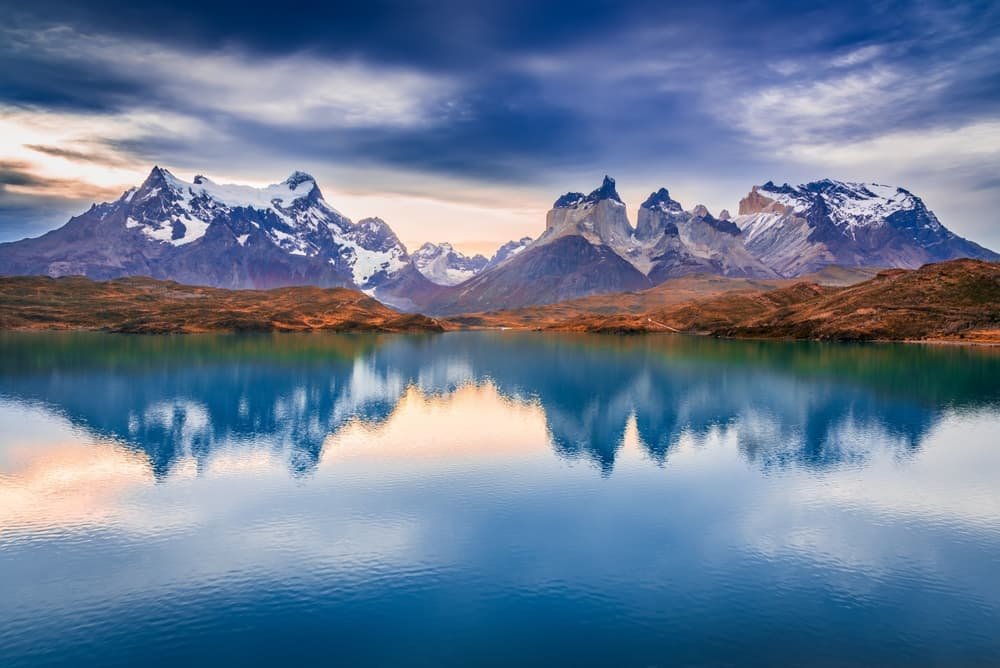
Karukinka offers a level of privacy unattainable in more northern hubs like Torres del Paine during the January high season. While Torres del Paine serves as the iconic face of the region, this vast wilderness at Tierra del Fuego provides a silent alternative for those wishing to avoid the summer crowds.
January is the optimal time for navigation through the Parry Fjord, where you can witness glaciers meeting the sea in absolute silence. The long hours of light allow for deep excursions into the Darwin Range, far from the established tourist circuits and bustling trailheads of the more famous parks.
Perito Moreno National Park (Santa Cruz, Argentina)
Ideal for: High-altitude plateau hiking and fossil discovery.
Climate & conditions: Dry, windy, and sunny with highs of 64°F (18°C).
Recommended clothing: Windproof trekking trousers and high-SPF sun protection.
Signature experiences: Exploring the abandoned estancias and volcanic craters of the pampa.
Often mistaken for the Perito Moreno Glacier, Perito Moreno National Park near the Chilean border remains one of Patagonia's least-visited areas. January is the only window where the high-plateau trails are completely free of snow, allowing access to the turquoise waters of Lake Burmeister.
The landscape is a dramatic tapestry of basaltic plateaus and pristine lakes teeming with flamingos and guanacos. For those seeking expert-led geological tours, the region offers unparalleled access to pre-Columbian rock art and paleontological sites.
Aysén & The Carretera Austral (Chile)
Ideal for: Secluded road trips and marble formations.
Climate & conditions: Mild and sunny with highs of 68°F (20°C).
Recommended clothing: Waterproof jacket for lake excursions and light fleece.
Signature experiences: Kayaking the Marble Caves (Capillas de Mármol) on Lake General Carrera.
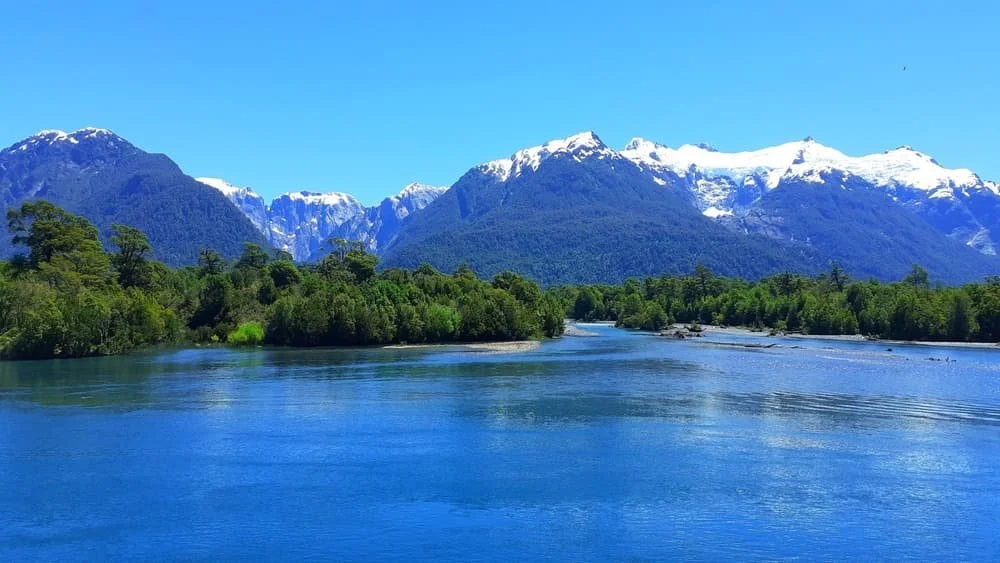
This remote section of Northern Patagonia is often overlooked in favor of the south, offering a more private experience. January is the most reliable time to see the intense blue of the Marble Caves, best explored by private kayak at sunrise.
The lake's low water levels during this peak summer month reveal more of the intricate marble structures. It is a prime time to drive the partially unpaved Carretera Austral, where you can encounter ancient forests and the hanging glacier of Queulat National Park.
Península Valdés (Argentina)
Ideal for: Rare marine wildlife encounters and coastal steppe.
Climate & conditions: Warm and dry with highs of 77°F (25°C).
Recommended clothing: Light summer attire with a sturdy sun hat.
Signature experiences: Observing Orcas hunting and the hatching of Magellanic penguin chicks.
While the famous Southern Right Whales depart in December, January is a critical month for other remarkable marine spectacles. It is the peak time to witness Magellanic penguin chicks taking to the water for the first time.
Luxury travelers can stay at secluded estancias on the coast to witness Orcas utilizing "intentional beaching" to hunt sea lion pups. The warm coastal weather is a stark yet pleasant contrast to the cooler Andean highlands, making it an ideal final stop for an expedition.
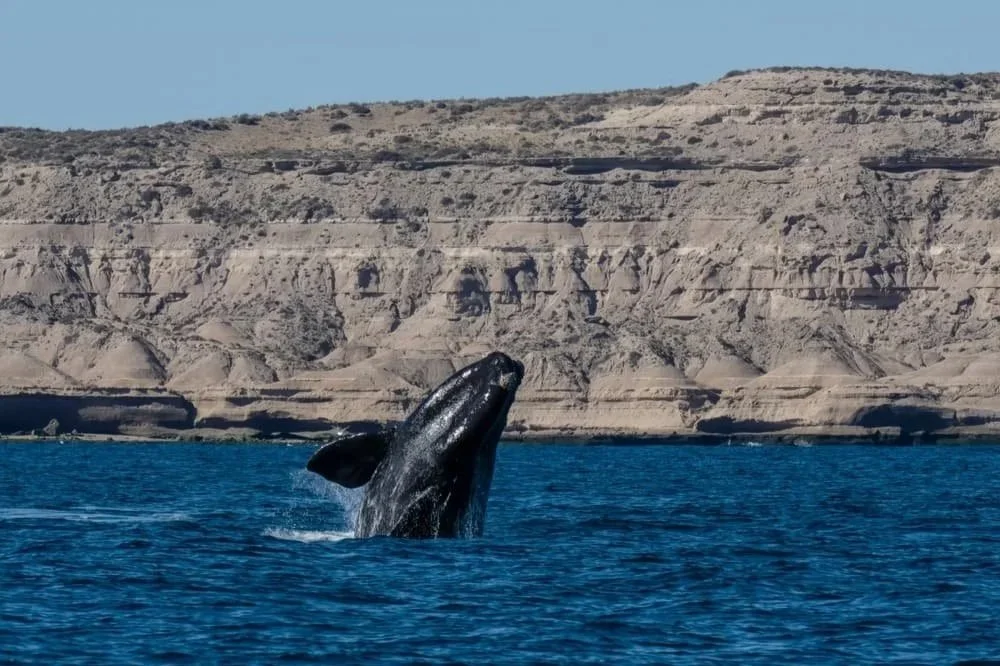
What to Do in Patagonia in January
High-Altitude Trekking in Perito Moreno Park
Why it's ideal in this month: Snowmelt is complete, opening technical trails that are inaccessible for the rest of the year.
Expected conditions: High UV intensity and strong afternoon winds across the basaltic plateaus.
Special tips: Carry a high-quality windshell; the plateau offers no natural shelter from the Patagonian Express winds.
Hiking in Patagonia in January is the only window to traverse the volcanic landscapes of Santa Cruz without deep snow. The visibility is unparalleled, allowing for 360-degree views of the Andes from the summit of Mount Leon.
The sensory experience is defined by the crunch of volcanic gravel underfoot and the stark contrast of red earth against the turquoise of Lake Burmeister. This is a curated opportunity to explore paleontological sites and pre-Columbian rock art in total solitude.
Private Navigation of the Southern Fjords
Why it's ideal in this month: Longer daylight hours permit extended navigations into the deepest reaches of the Darwin Range.
Expected conditions: Relatively calm seas and intense sunlight reflecting off the glacial ice.
Special tips: Request a dawn departure to witness the blue ice calving into the sea during the quietest hours.
Navigating the Chilean Fjords or the Beagle Channel is best executed during this stable summer window. Private charter vessels allow travelers to reach remote glaciers in the Admiralty Sound that remain hidden from commercial cruise paths.
The experience is profoundly sensory, from the thunderous crack of ice breaking away from the glacier to the crisp, ancient air of the fjords. Witnessing the calving of glaciers under a midnight sun is a rare, curated event that few travelers ever experience.
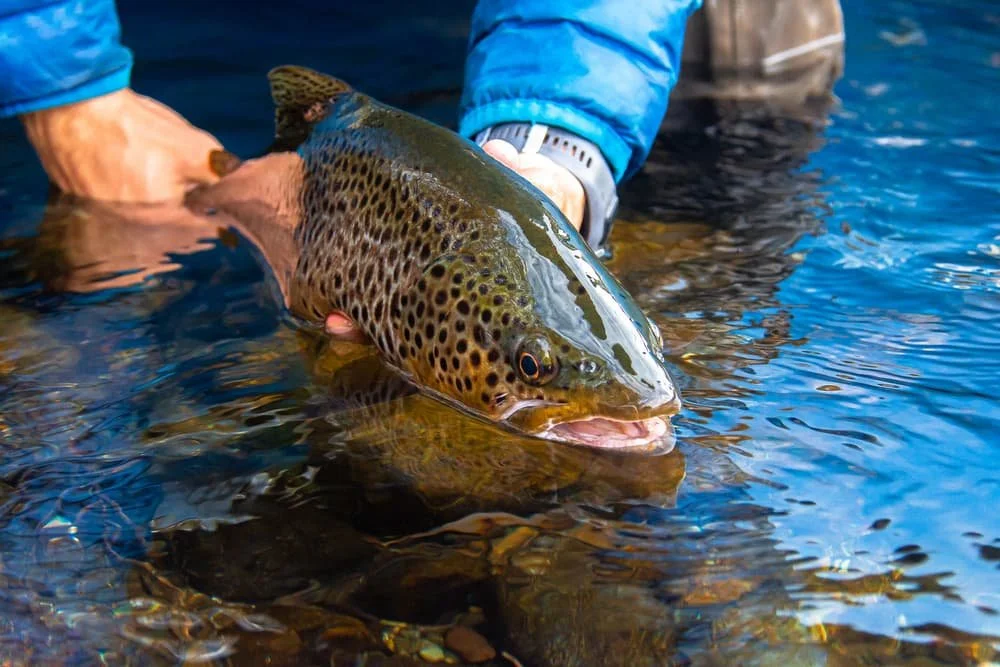
Fly Fishing in the Aysén Region
Why it's ideal in this month: The insect hatch is at its absolute peak, ensuring high activity for both brown and rainbow trout.
Expected conditions: Clear, low water levels across the Rio Baker and its tributaries.
Special tips: Use terrestrial patterns; the trout are particularly responsive to beetle and hopper imitations in January.
The rivers of Northern Patagonia are in prime condition during the peak summer hatch. This month attracts elite anglers seeking to challenge themselves in the unique turquoise waters of the Carretera Austral.
Wading through the clear, cool currents while surrounded by ancient cypress forests provides a deep connection to the Patagonian wilderness. For those seeking absolute seclusion, we can arrange private helicopter charters to high-altitude lakes where the wild trout remain untouched by traditional angling.
Events in Patagonia in January
National Cherry Festival (Fiesta Nacional de la Cereza)
City/Region: Los Antiguos, Argentina
Dates: Early January
Description
Located in a microclimate near Lake General Carrera, this festival marks the peak harvest of the region’s famous cherries with parades and live performances. It offers a unique look at the agricultural heritage of the remote Santa Cruz province.
National Shearing Festival (Festival de la Esquila)
City/Region: Villa Tehuelches, Chile / Río Mayo, Argentina
Dates: Mid-January
Description
This event celebrates the traditional gaucho lifestyle and the region’s significant wool industry through shearing competitions and folk music. Visitors enjoy traditional asados (barbecues) and witness high-speed shearing demonstrations by the region's most skilled workers.
Semanas Musicales (Musical Weeks)
City/Region: Frutillar, Chile
Dates: Late January to early February
Description
The world-class Teatro del Lago hosts international artists performing classical, jazz, and contemporary music on the shores of Lake Llanquihue. The combination of German-inspired architecture and the backdrop of the Osorno Volcano makes this one of the most scenic cultural events in South America.
What to Pack for Patagonia in January
Determining what to pack for Patagonia in January requires a technical layering strategy to manage the intense wind and temperature fluctuations. While it is summer, the proximity to the Southern Ice Field means conditions can turn cold rapidly.
Technical Base Layers: High-performance merino wool or technical synthetic base layers are vital for ensuring effective thermal regulation during high-intensity exploration.
Windproof Outer Shell: A high-quality GORE-TEX jacket is the most critical item to combat the Patagonian Express winds.
Insulating Mid-Layer: A high-performance packable down jacket or technical puffer is essential for maintaining thermal comfort when the sun sets or during private glacial navigations.
Footwear: Sturdy, waterproof hiking boots with high ankle support are mandatory for hiking Patagonia in January on uneven terrain.
Sun Protection: High SPF sunscreen and polarized sunglasses are vital due to the high UV levels and glacial reflection.
Are You Ready to Experience Patagonia in January?
Visiting patagonia in january offers the most complete experience of the region's untamed landscapes. The combination of peak summer weather and near-endless daylight ensures that every moment of your expedition is maximized.
Whether you are seeking a private cruise through the southern fjords or a bespoke trekking adventure, this is the time to witness Patagonia at its most vibrant. Contact our expert curators today to begin planning your private Patagonian journey.
FAQs About Your January Visit
Is January the best time to visit Patagonia?
January is widely considered the best time to visit Patagonia due to the long daylight hours and the highest average temperatures of the year. While it is the busiest month, the logistical ease of open trails and predictable weather outweighs the increase in visitors.
What should I wear in Patagonia in January?
You should dress in a three-layer system consisting of a moisture-wicking base, an insulating mid-layer, and a waterproof/windproof shell. This approach allows you to quickly adjust your temperature in Patagonia in January as conditions shift from sunny to windy.
What are the temperature ranges in Patagonia in January?
Daytime temperatures typically range from 57°F to 72°F (14°C to 22°C) depending on your latitude and altitude. Nighttime temperatures can drop significantly, often reaching between 39°F and 50°F (4°C to 10°C).
Are there crowds in Patagonia in January?
Yes, january in patagonia is peak tourist season, meaning popular sites like the Base Towers trek will have significant foot traffic. To avoid crowds, we recommend booking private excursions or exploring the lesser-visited Aysén region.
Is Patagonia good for wildlife spotting in January?
January is an exceptional month for wildlife, particularly for seeing guanaco chulengos (young) and puma activity. Condors are also very active, as the warm summer air creates the thermals necessary for them to soar.