The Art of Slow Travel in Japan: A Luxury Insider’s Family Itinerary
The Evolution of a Return
My first trip to Japan was in 2018 and unbeknownst to me at the time, it would also become the place where my husband Dave and I got engaged. For that reason and many others, we always knew we’d return to this special country one day.
That first visit was classic Clare and Dave style: five days, minimal sleep, and trying to experience as much as possible. From the moment we landed in Tokyo, we barely stopped. Some of my favorite memories from that trip (aside from the engagement itself) were biking all over Kyoto, hiking the entire Fushimi Inari Taisha trail, squeezing into tiny restaurants with only a handful of seats, and late nights in Golden Gai.
Eight years later, we knew returning to Japan this time, with our four-year-old daughter, Fia, in tow, would look very different.
Planning a return trip to a destination brings a fascinating paradox. On one hand, checking off the major highlights in 2018 gave us the freedom to skip the standard checklist this time around. On the other hand, it felt even more daunting; we were now fully aware of just how many incredible, undiscovered regions Japan has to offer. While our old instinct was to map out an ambitious itinerary to see it all, the reality of a busy year (and the beautifully unpredictable pace of traveling with a four-year-old) made us pause. We realized that another packed schedule wasn't what we needed. This trip required a shift in gears.
Eventually, I put on my travel advisor hat and faced a hard truth I often share with clients: seeing everything on an itinerary might feel fulfilling, but in practice, it rarely makes you love a destination more. With that shift in perspective, we decided instead to slow down and quite literally “soak” in Japan. Our intentions for this trip became simple: to be present and reconnect. We chose to move at a gentler pace in a relatively small section of the country, and resist the urge to overschedule.
We wanted something more traditional and less frenetic. Destinations that felt peaceful, quiet and more resistant to the massive influx of tourists Japan has experienced the past two years. We wanted authentic ryokan stays, long onsen soaks, intentional rituals… moments that allowed us to feel immersed rather than spectators quickly passing through. Traveling with our daughter would naturally encourage a slower, more intentional pace anyway, so why not embrace it?
Our Itinerary
Kyoto - 3 nights
Takayama & Hida Furukawa - 2 nights at Hidatei Hanaougi
Okuhida / Northern Japan Alps - 2 nights at Yarmikan
Kiso Valley & Nakasendō Trail - 2 nights at Tsutaya Tokinoyado Kazari
Tokyo - 3 nights at Andaz Toranomon Hills
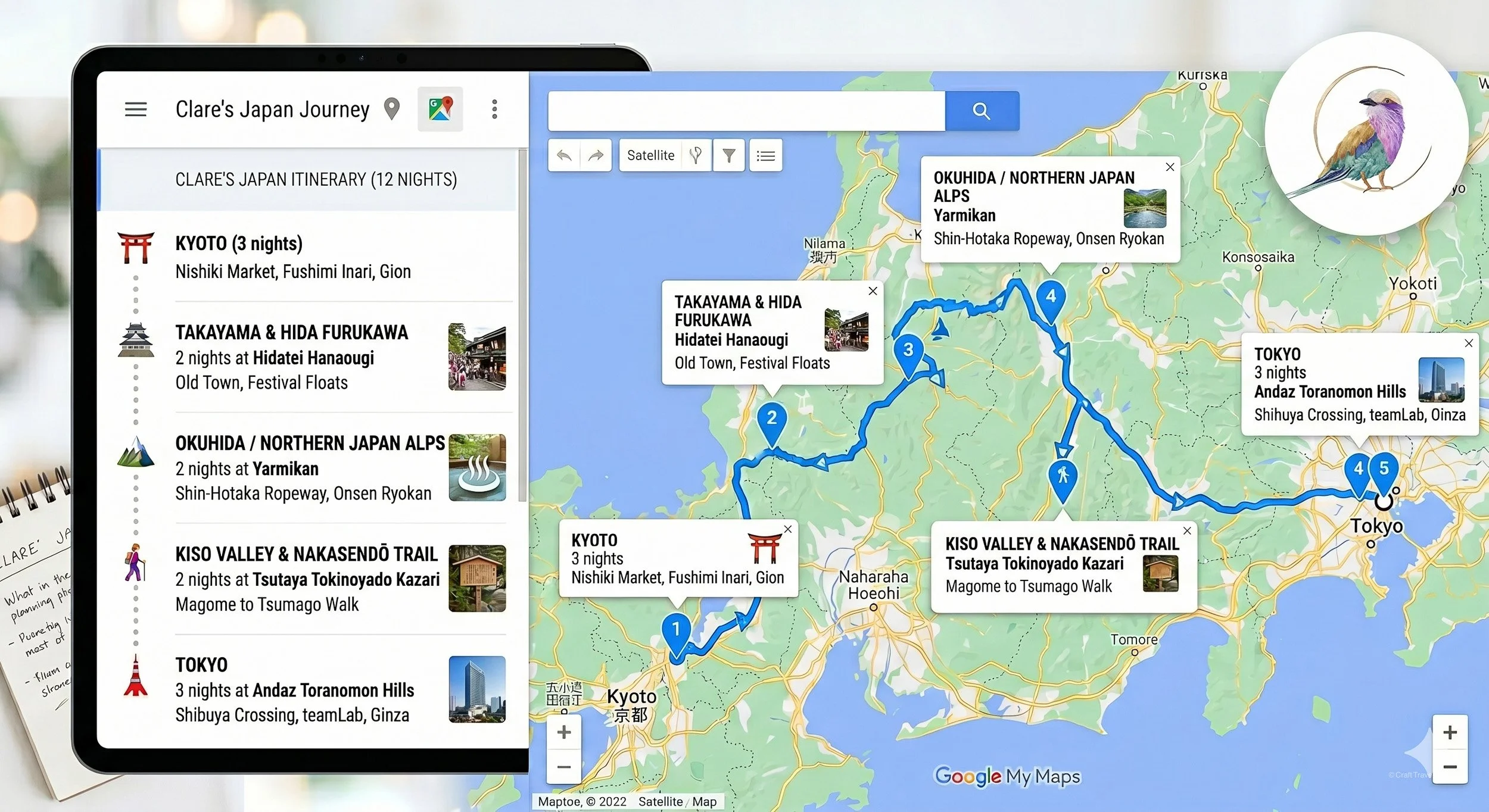
From ancient shrines to futuristic cityscapes—and plenty of hidden alpine gems in between. Here’s a sneak peek at how we structured our Japan journey to get the best of both worlds.
Kyoto: Courting the Quiet in Japan’s Cultural Heart
You’re probably wondering why we’d start with Kyoto if the objective of this trip was to remain off the beaten path and escape mass tourism. But Kyoto holds a special place in our hearts; Dave and I got engaged here at the Eikan-dō temple, and it was the one place we knew we wanted to return to with Fia. While I may be biased, I do truly think Kyoto is one of the most fascinating places in the world and an essential stop on a first (or second) trip to Japan.
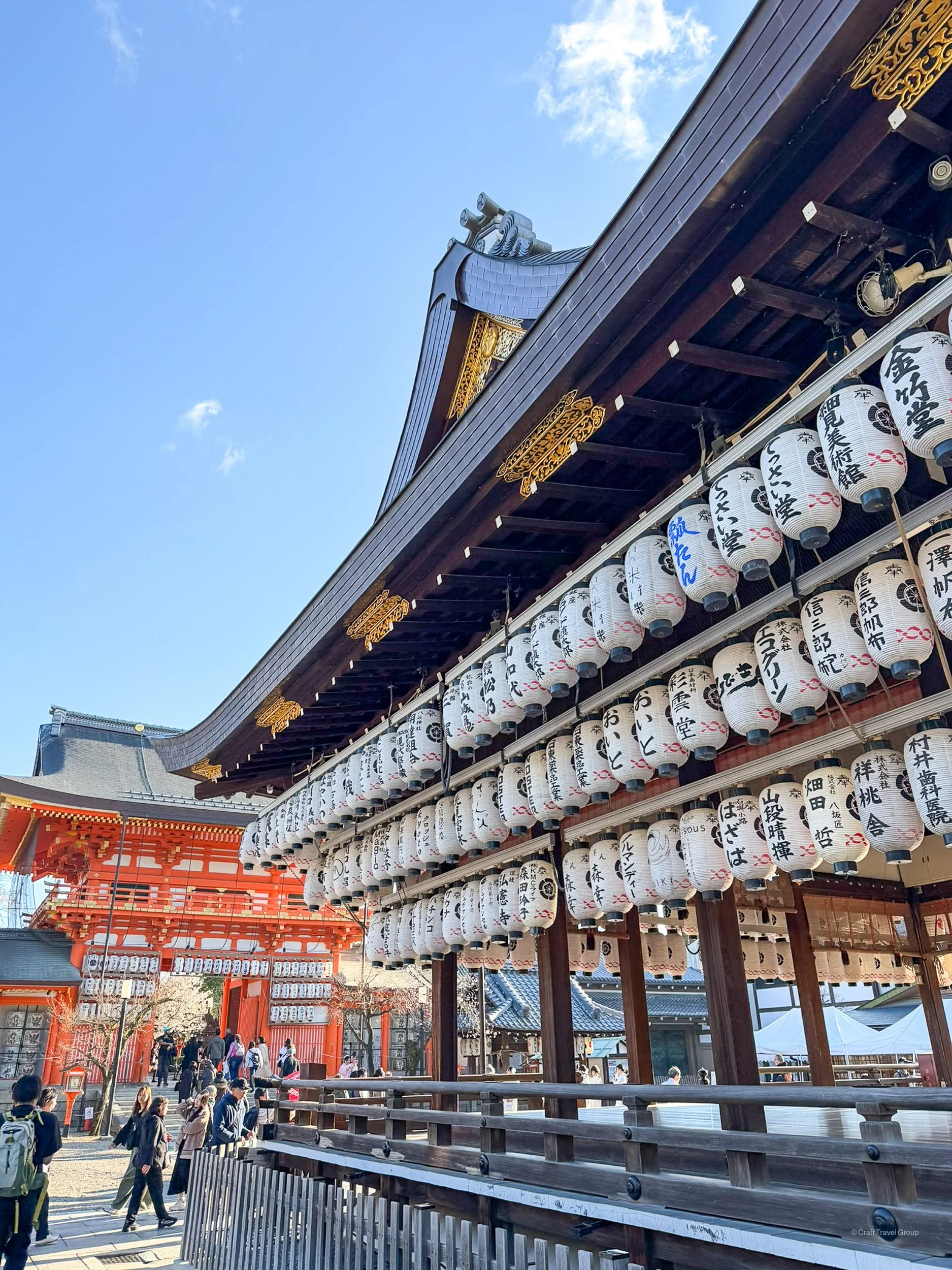
As Japan’s imperial capital for over 1,000 years, Kyoto became the cultural and spiritual heart of the country. Many of Japan’s most refined traditions (think tea ceremonies and kimono culture) were shaped here, and because the city was largely spared from wartime destruction, it still retains an extraordinary concentration of temples, shrines, and historic neighborhoods. UNESCO Heritage sites like Kinkaku-ji are not just landmarks, but active places of worship that have existed for centuries.
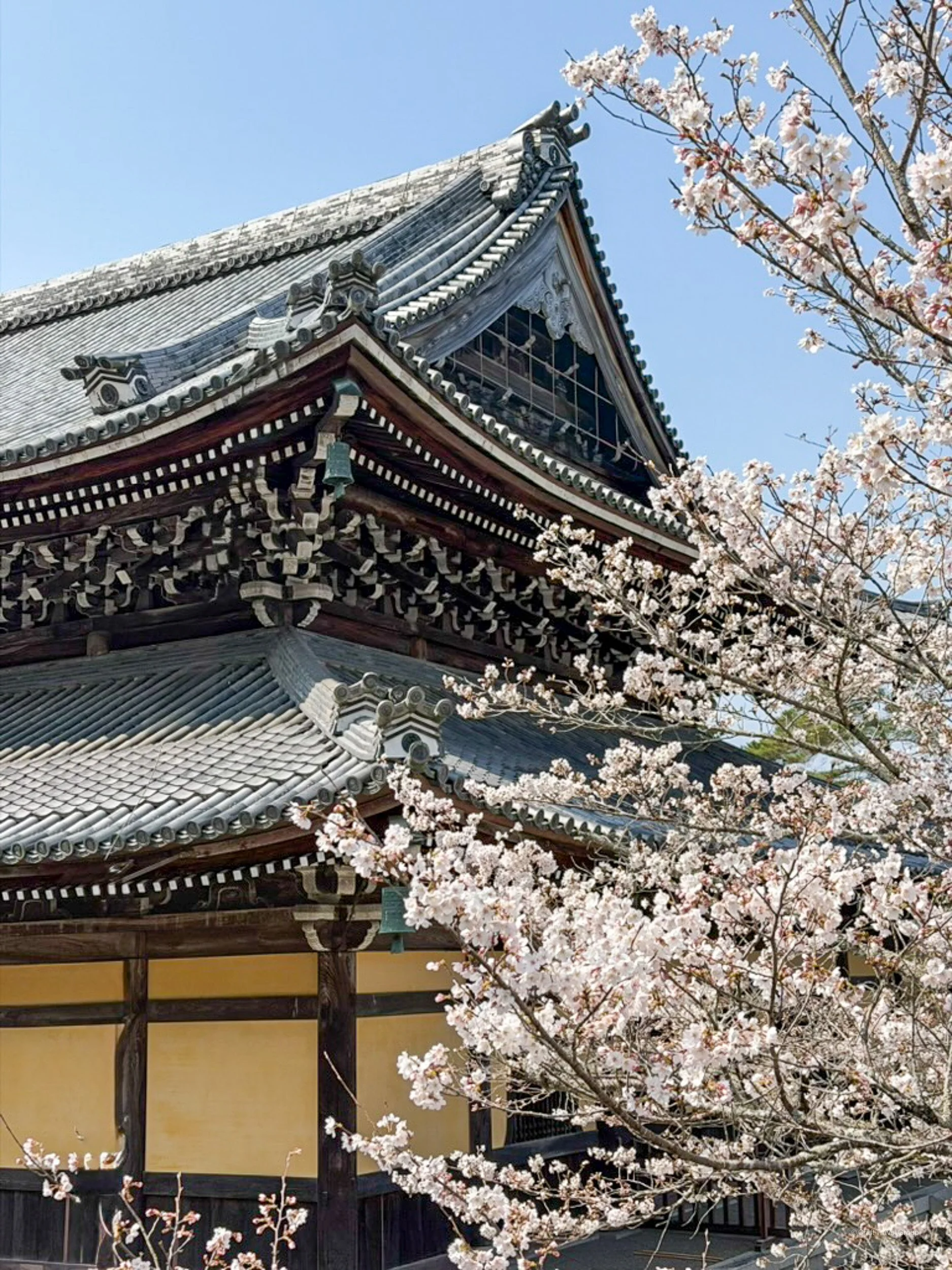
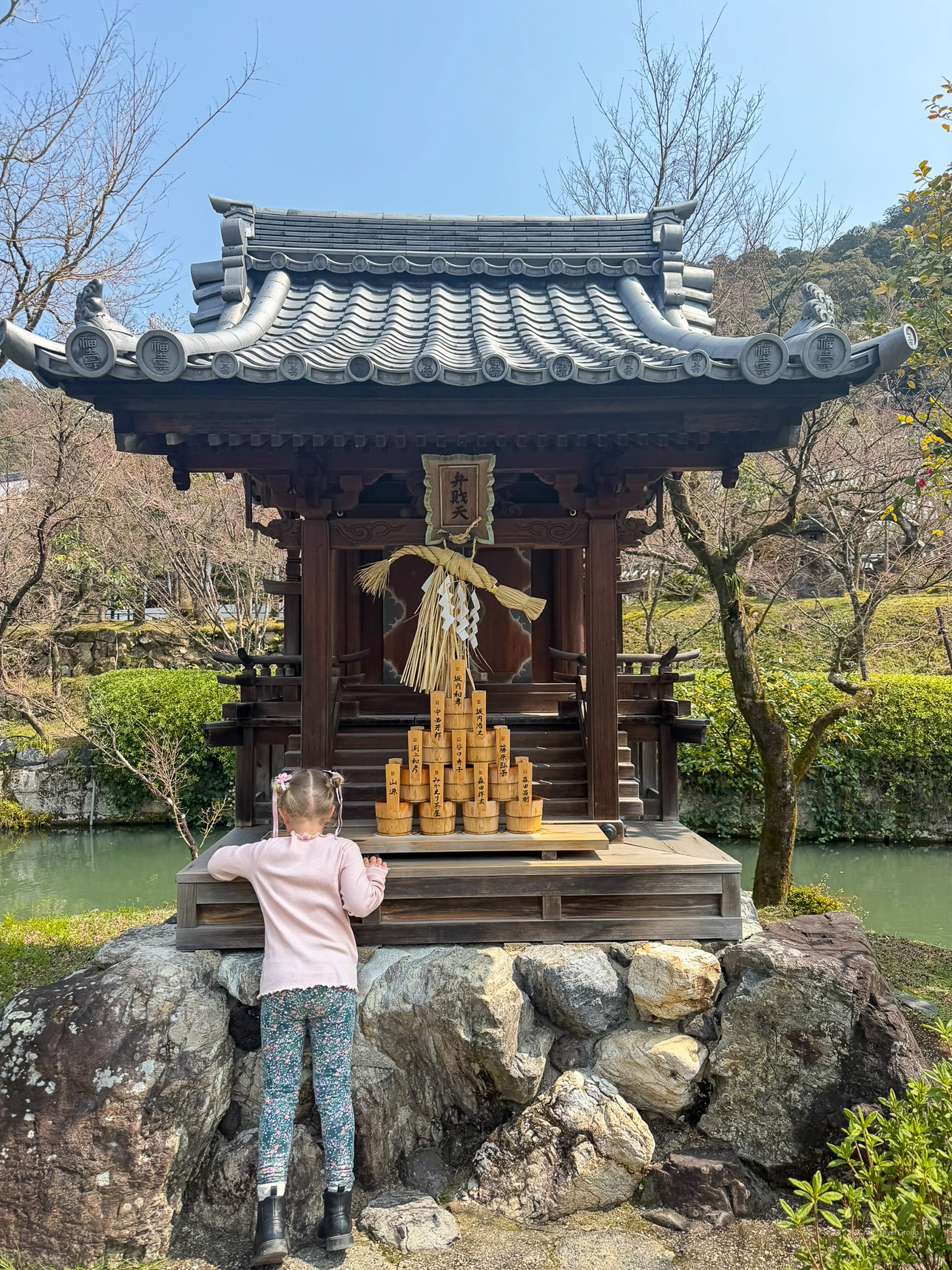
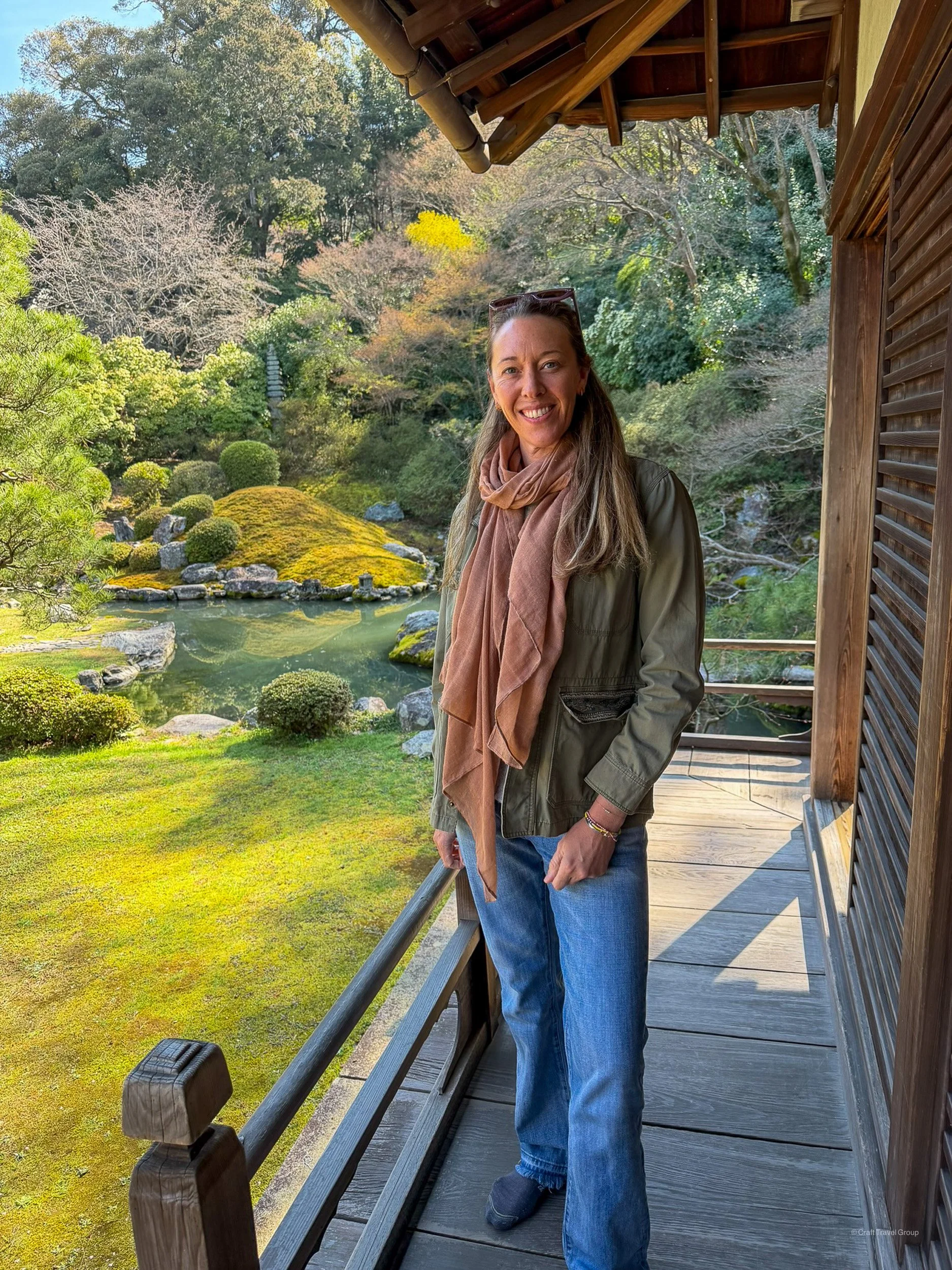
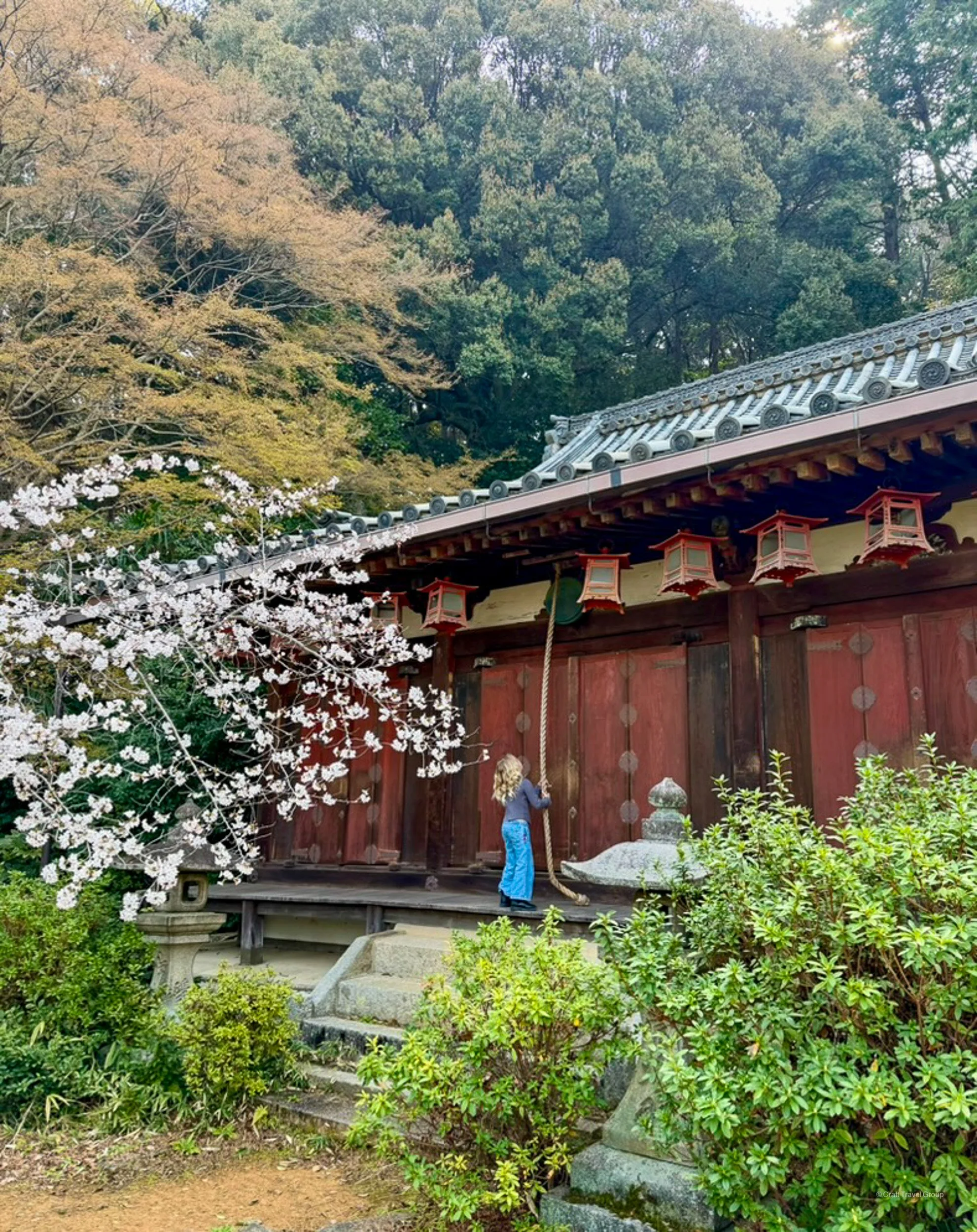
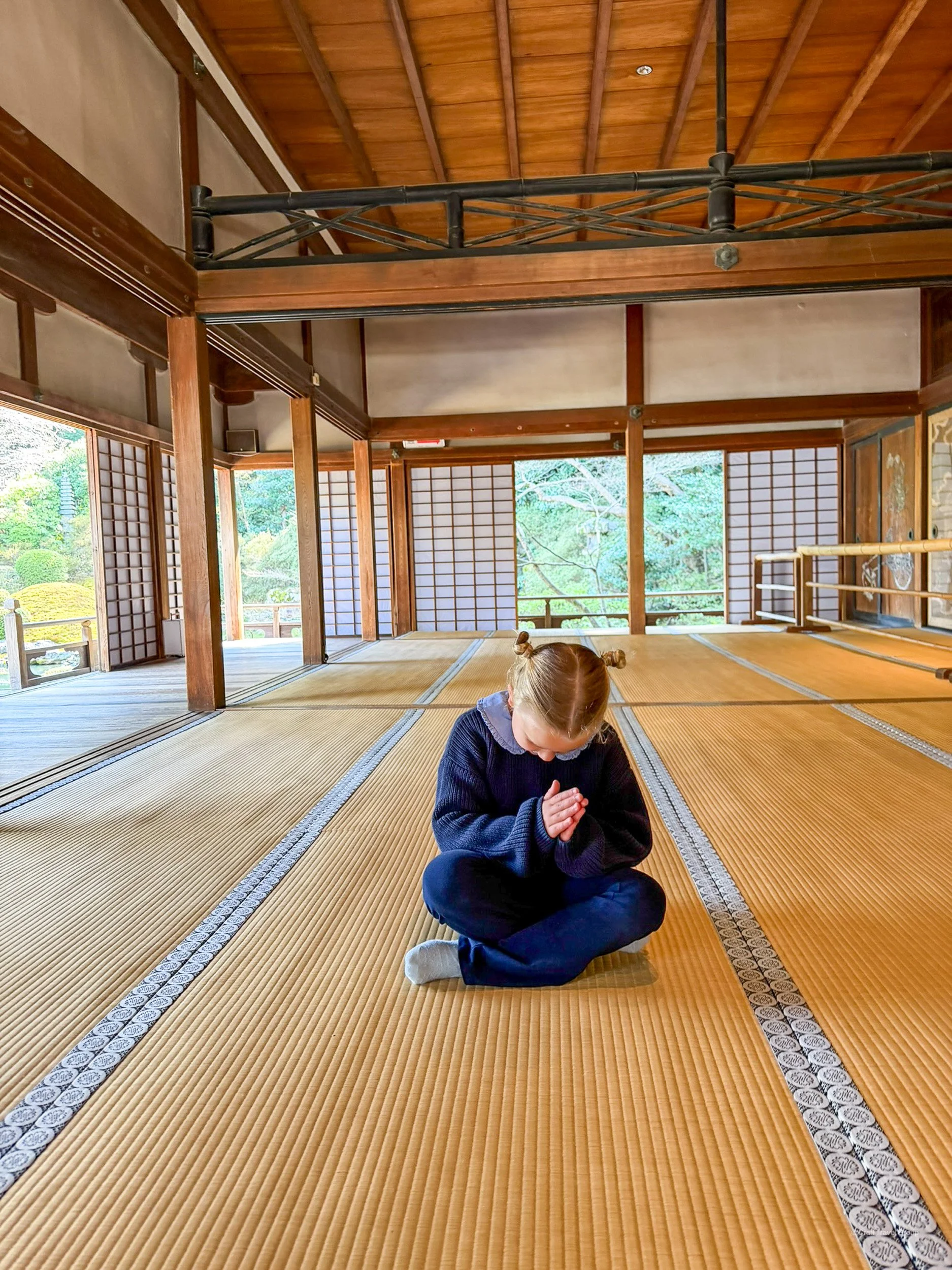
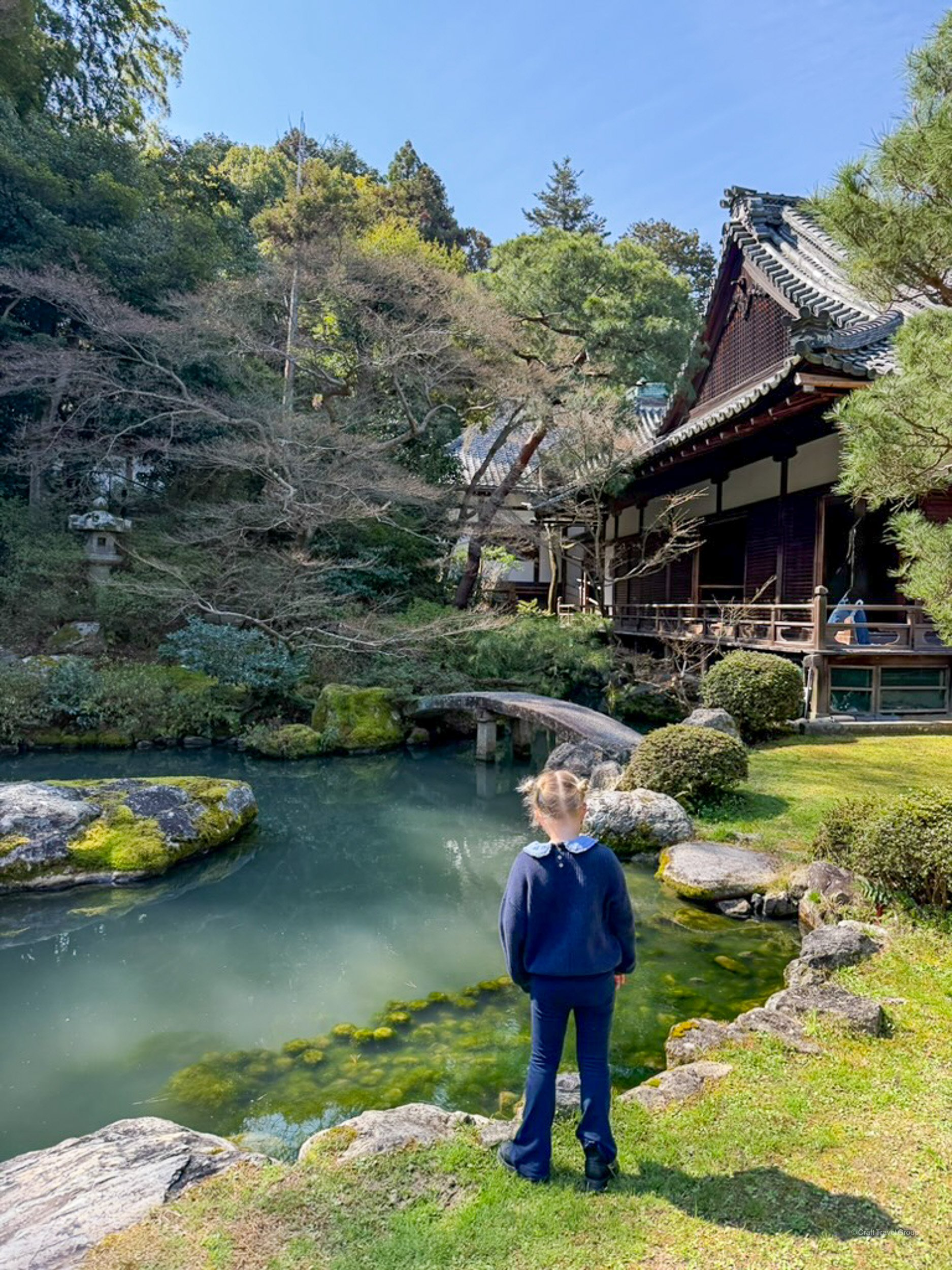
There are over 2,000 temples and shrines in Kyoto, so unless there’s a specific site you’re set on visiting, I’d encourage leaving room for smaller, lesser-known places. Some of our favorite moments came from wandering into quiet temples without crowds, like Shōrenin Temple, which we stumbled upon near our stay in Northern Higashiyama.
With so much to see, I’d recommend at least three nights here or even four if you’re starting your trip in Kyoto and adjusting to jet lag.
Kyoto can be a little challenging with young kids (especially in strollers) due to the narrow sidewalks and limited playgrounds. One of our favorite discoveries was the Kyoto Trail, an 80 km network of hiking trails connecting forests, temples, bamboo groves, waterfalls, and viewpoints around the city. Easy walking sections of the trail gave us a peaceful escape from the busy streets and space for Fia to explore outdoors.
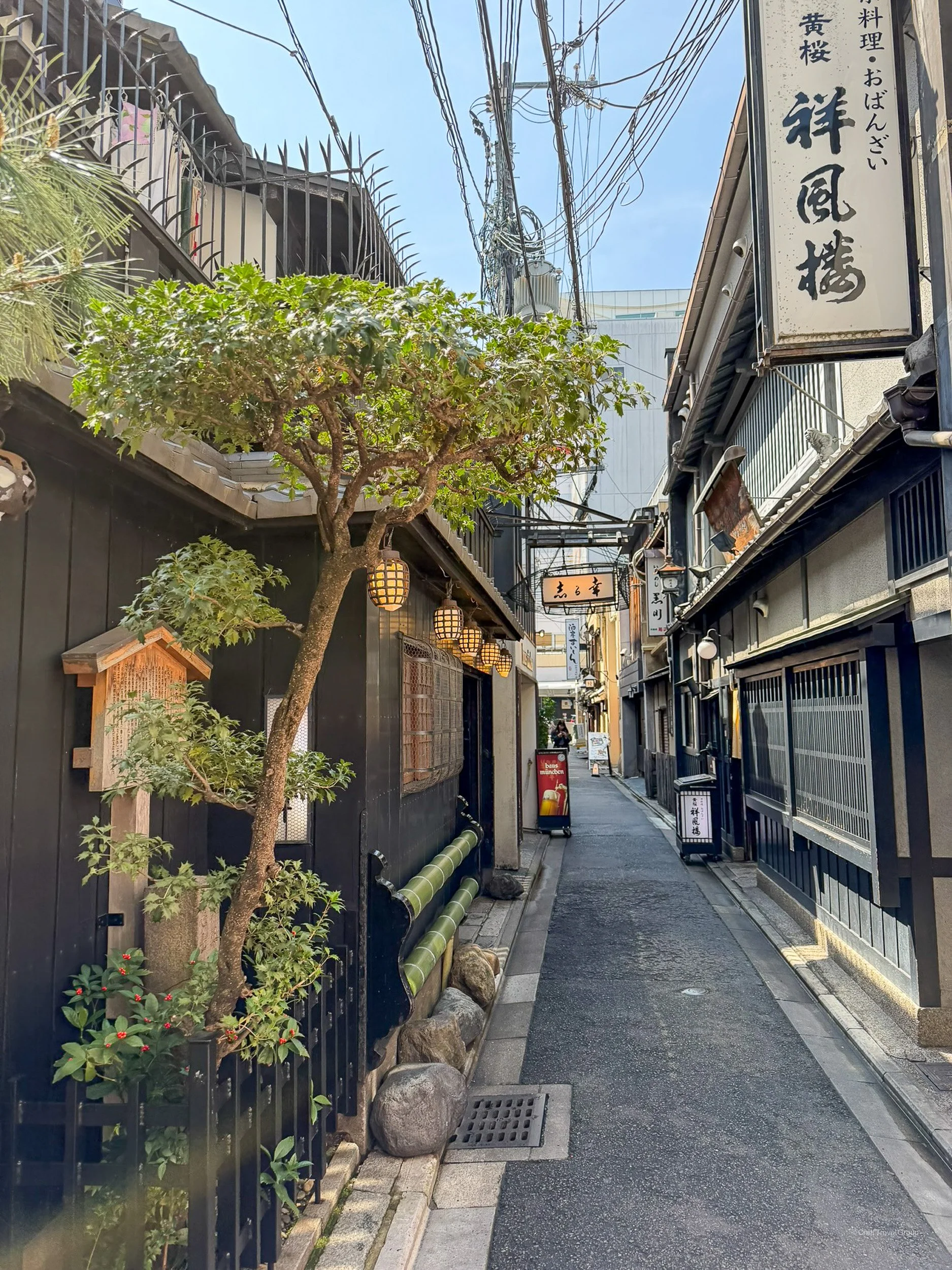
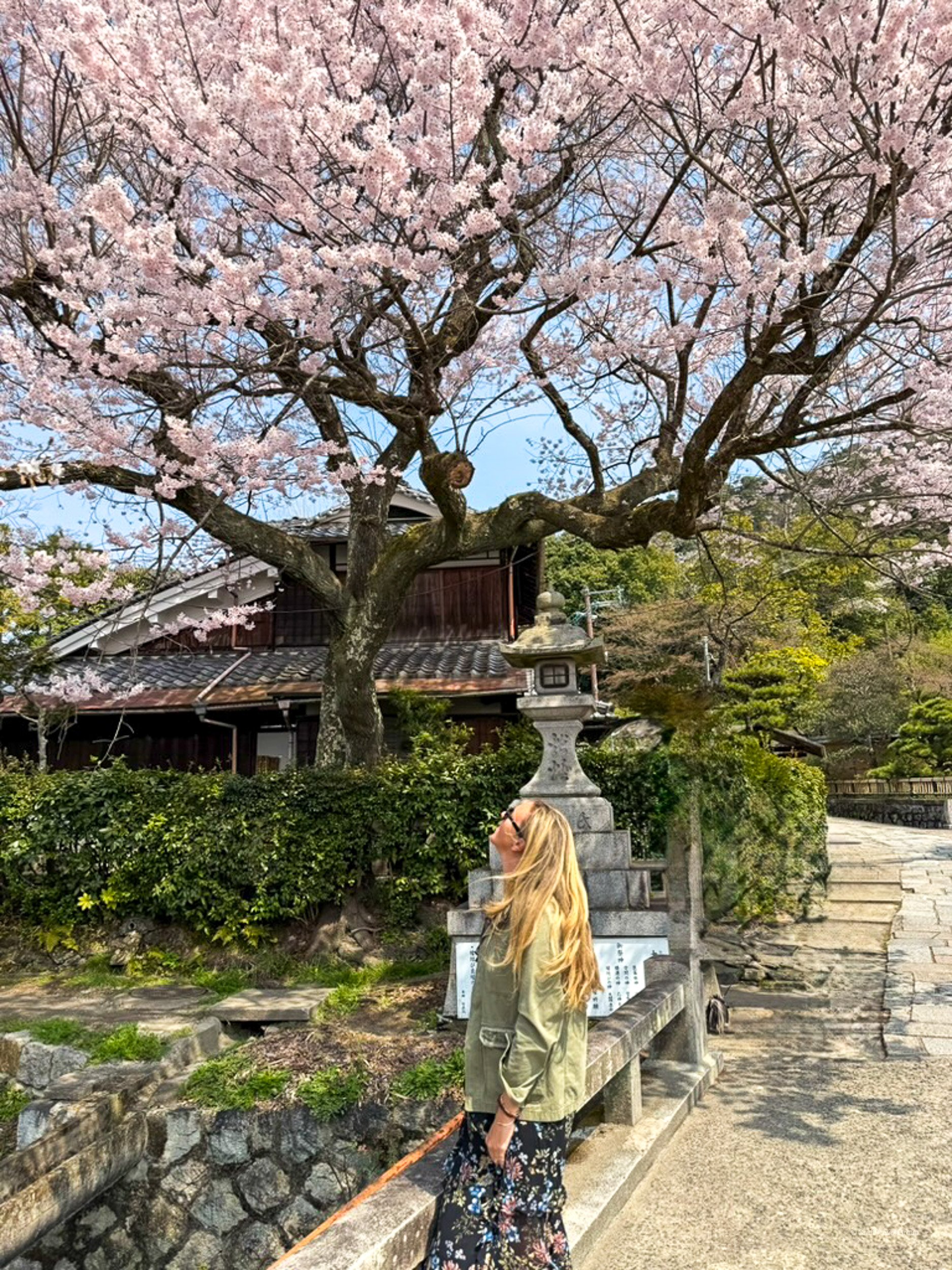
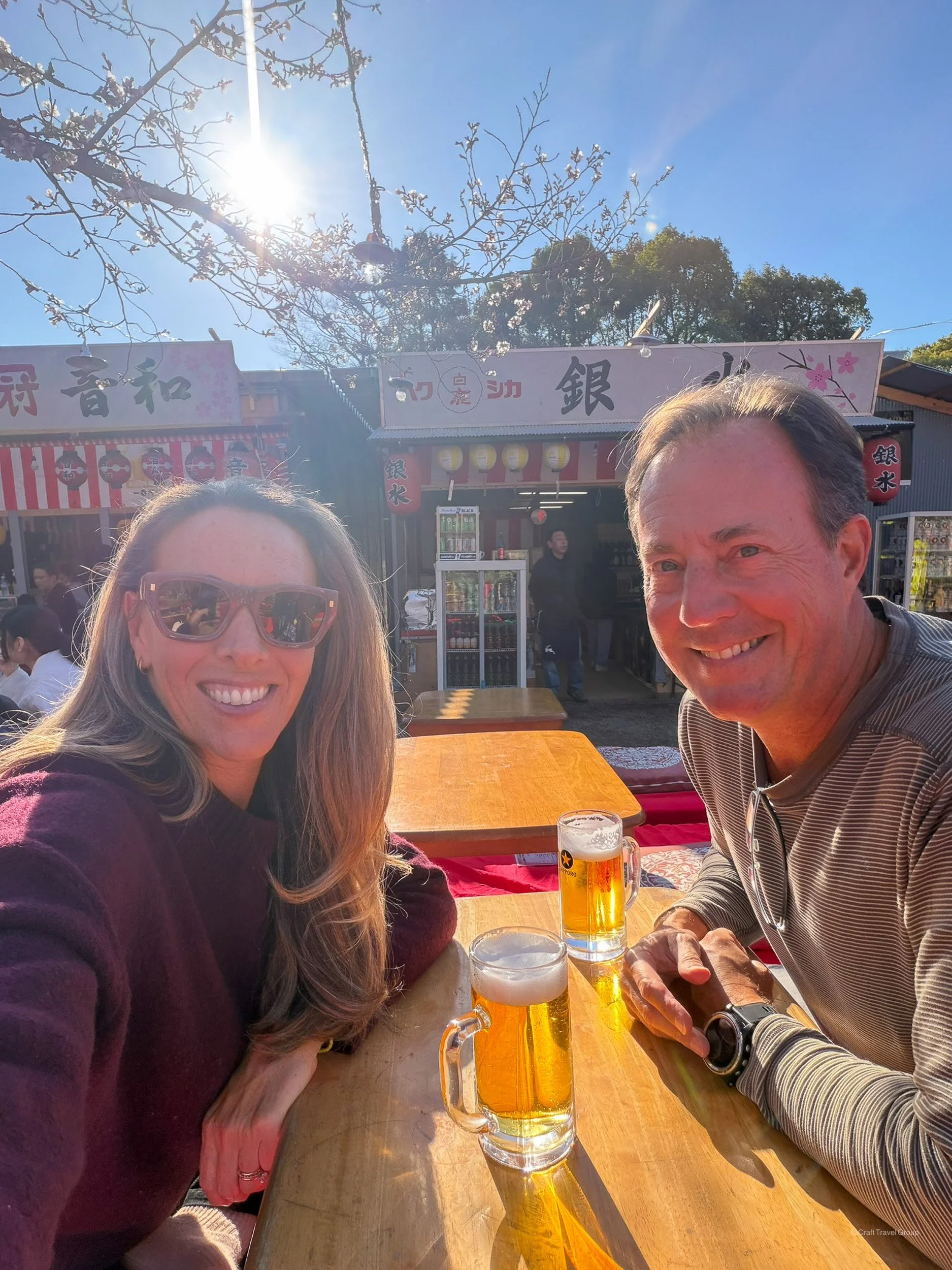
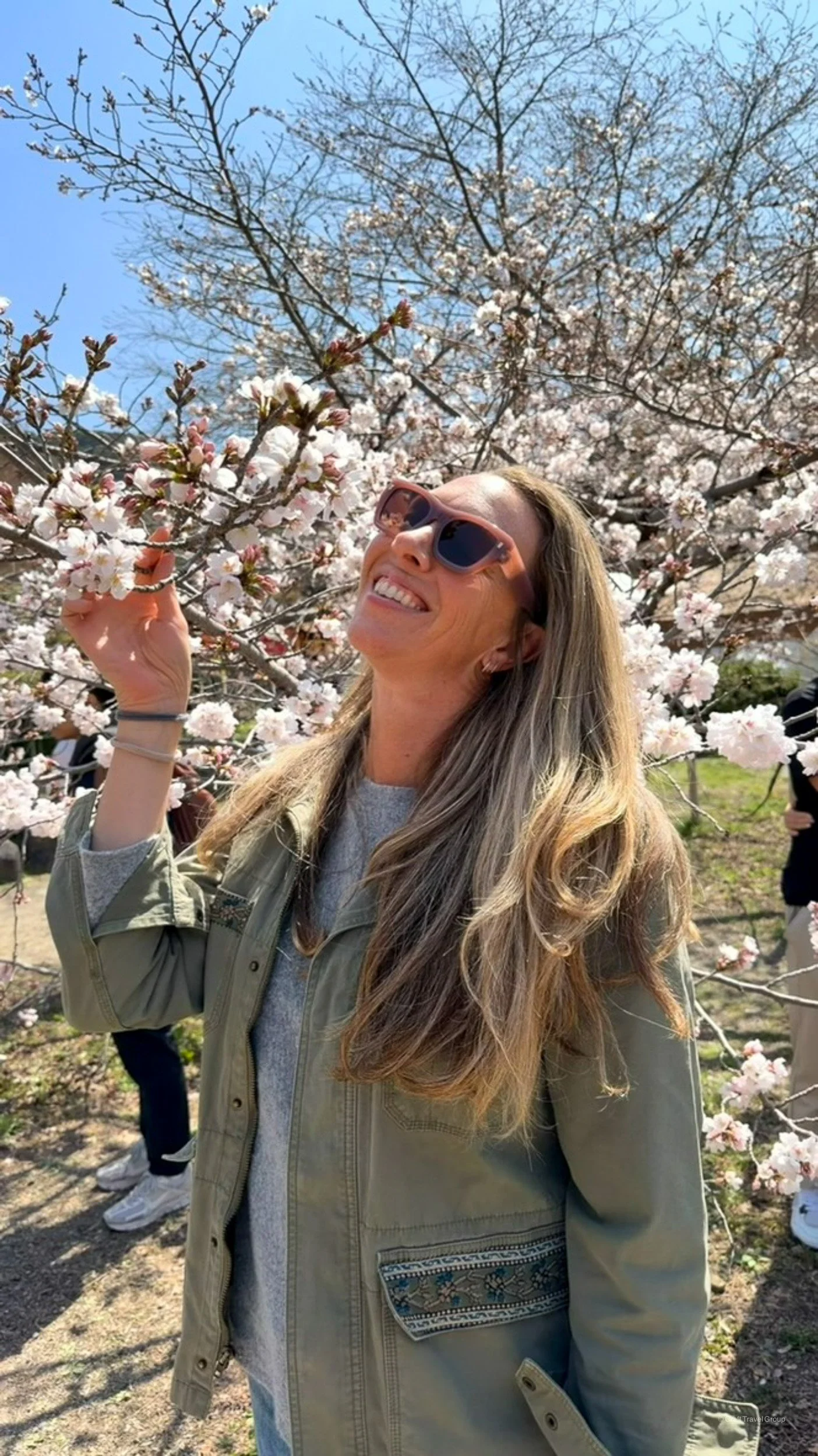
I knew tourism in Kyoto had increased significantly since our last visit, and worried that visiting during peak cherry blossom season might result in some of the magic feeling lost among the crowds. But we simply avoided anything that might be a “must-see” list for a first-time visitor. Instead, we found the most memorable moments in the quieter experiences: wandering down side streets, visiting obscure temples and restaurants filled only with locals, discovering peaceful hikes.
Where We Stayed in Kyoto
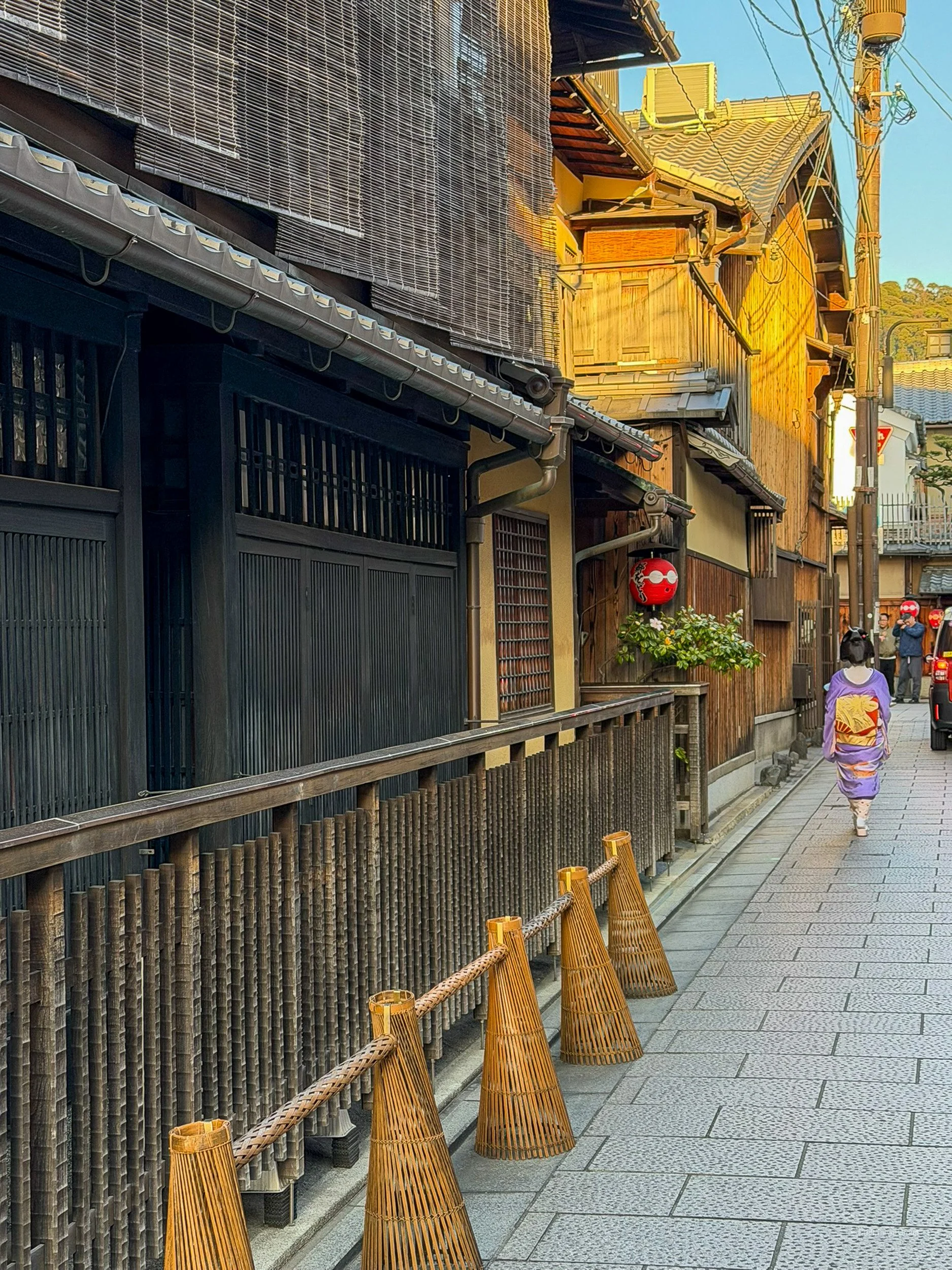
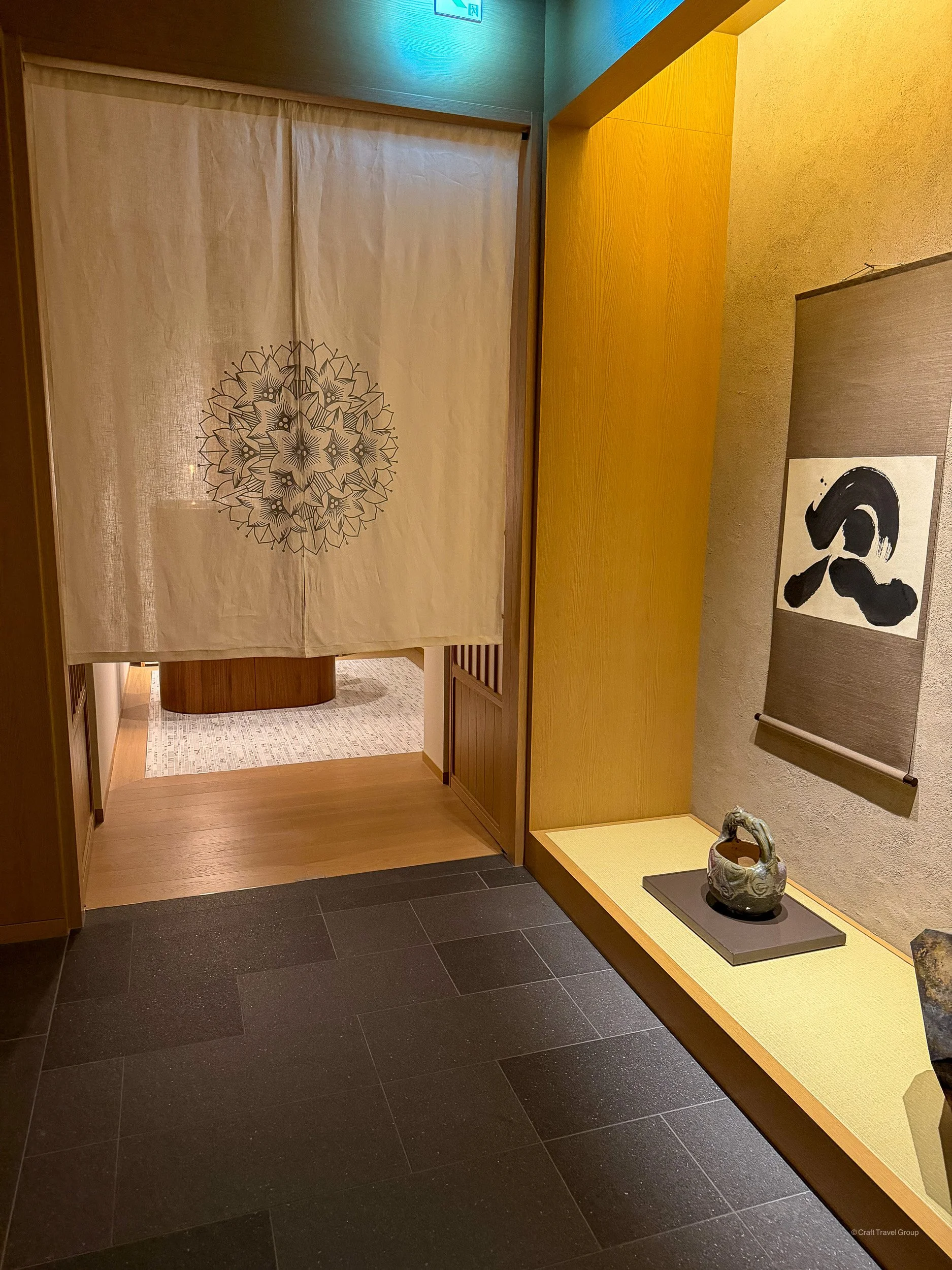
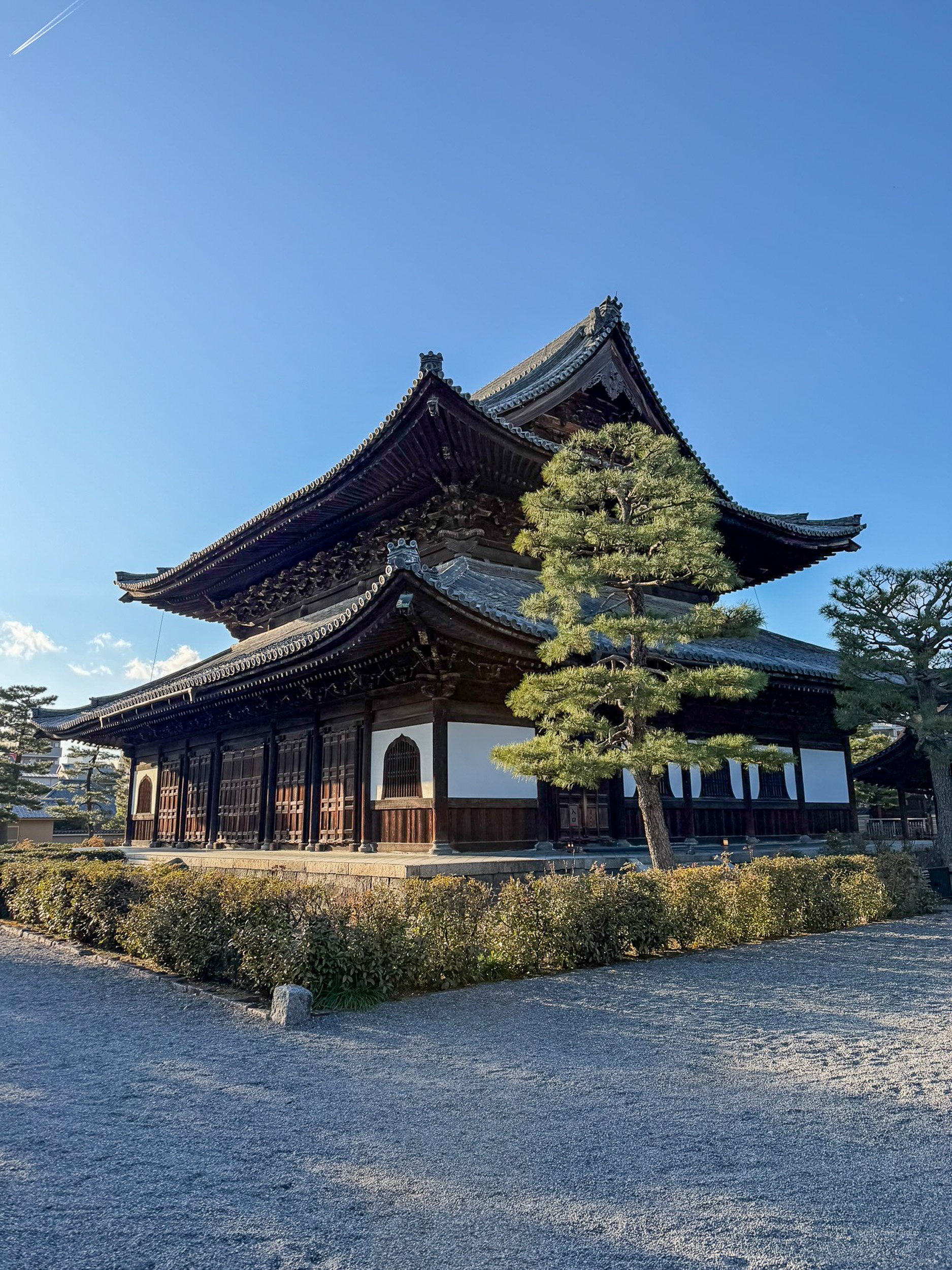
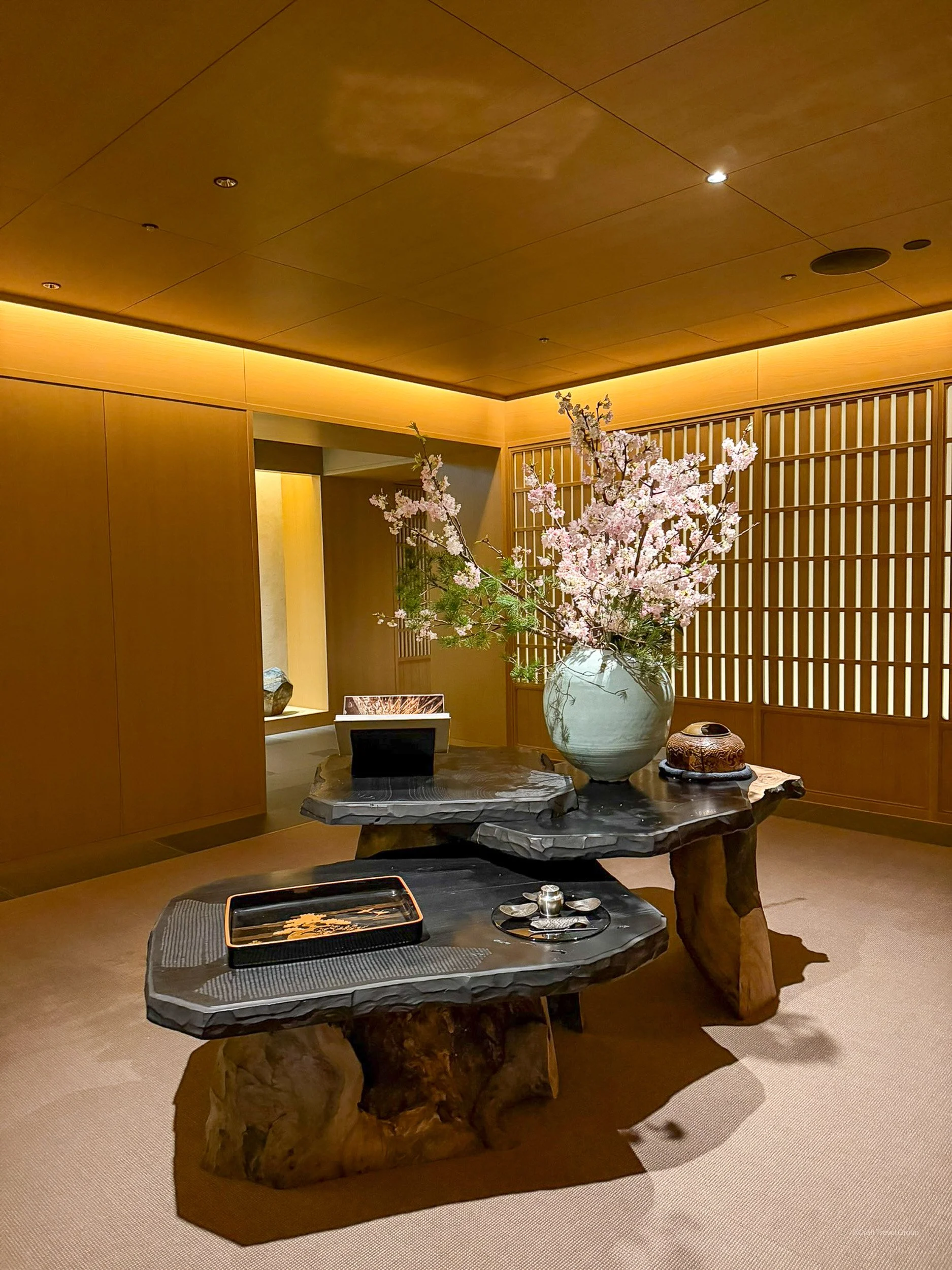
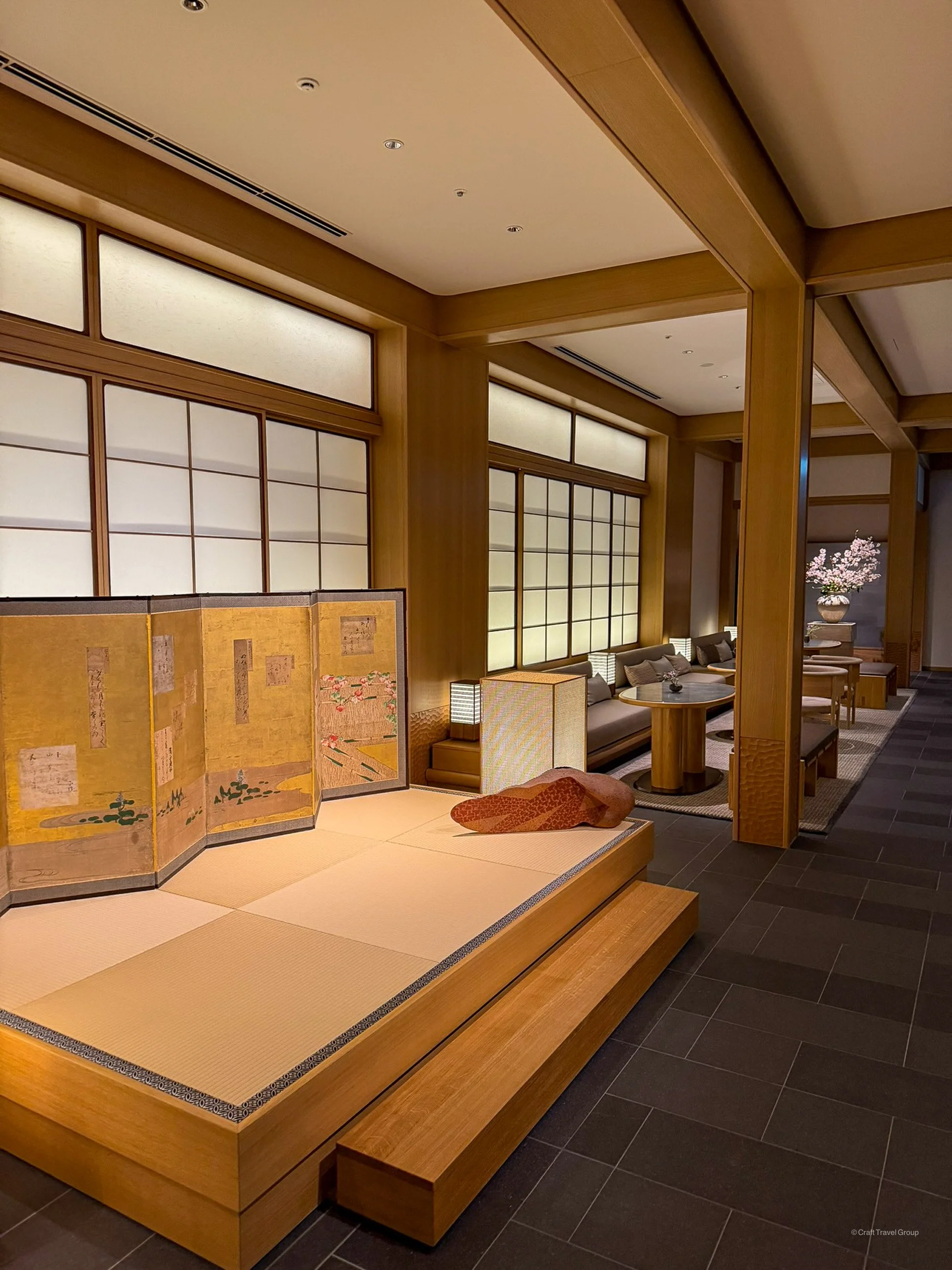
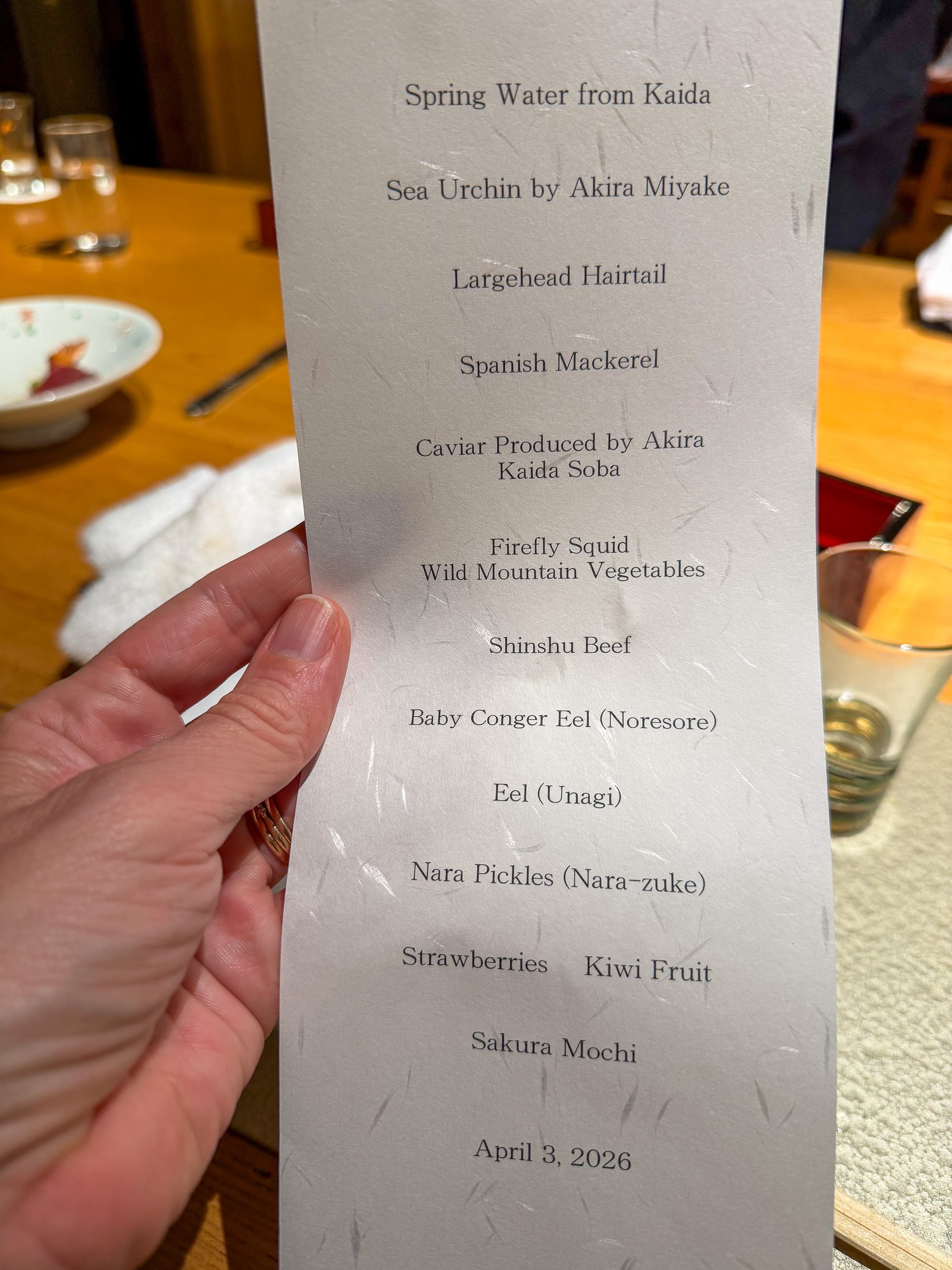
The recently opened Capella Kyoto is absolutely worth considering for a stay in Kyoto. From a location standpoint, it’s hard to beat. Tucked beside Gion in the quieter, less crowded Miyagawa-chō geisha district, it manages to feel both central and peaceful. You’re within easy walking distance of temples, tea houses, and some of the city’s best restaurants. Directly across the street is Kennin-ji, Kyoto’s oldest Zen Buddhist temple where the hotel can arrange early morning walking meditations before the city fully wakes up. For families, the temple’s open grounds also offer a welcome space for little ones to wander and explore. The restaurant, SoNoMa by SingleThread, alone could be reason enough to stay here (hotel guests receive reservation priority). The intimate 12-seat chef’s counter offers a thoughtful dining experience, with each detail unfolding intentionally throughout the 11-course menu.
The Japanese Alps: Mastering the Ryokan Ritual
Takayama
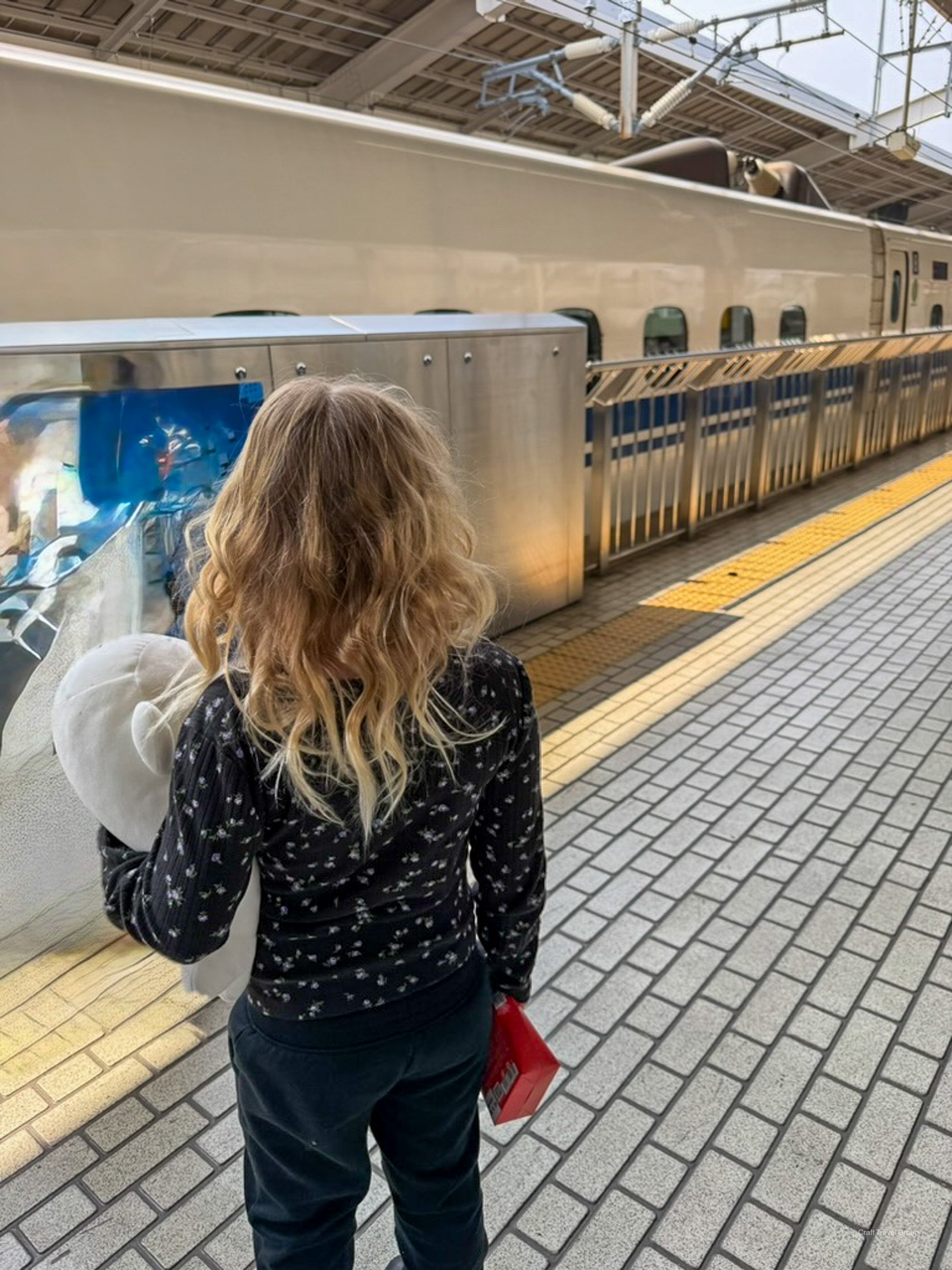
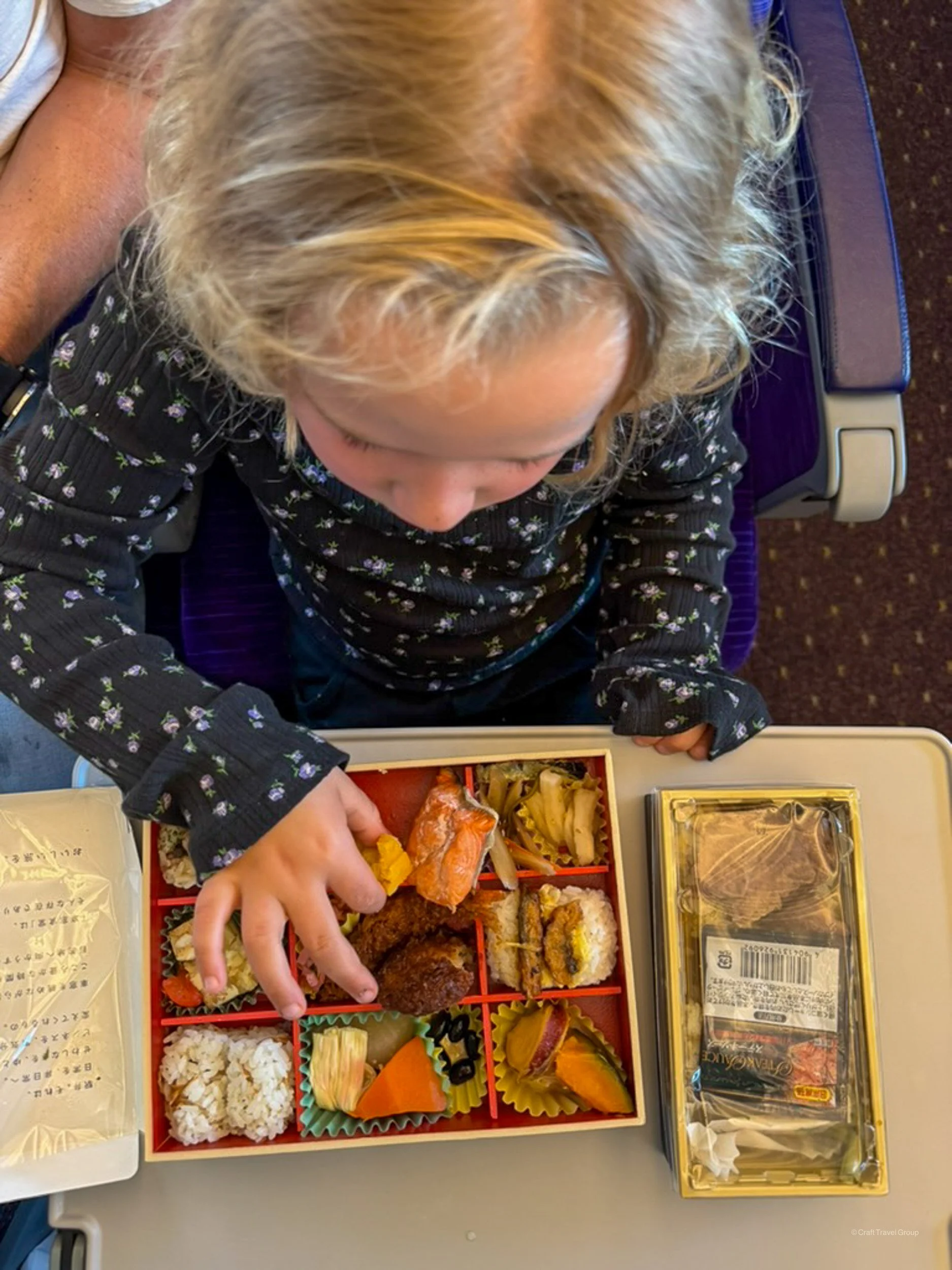
From Kyoto, we took the Shinkansen to Nagoya and then transferred to the Limited Express Hida train to Takayama, a beautiful 2.5 hour ride through rivers, valleys, and forested mountains. Two small but mighty tips: sit on the right-hand side of the train for the best views, and pick up snacks at Kyoto Station before you depart.
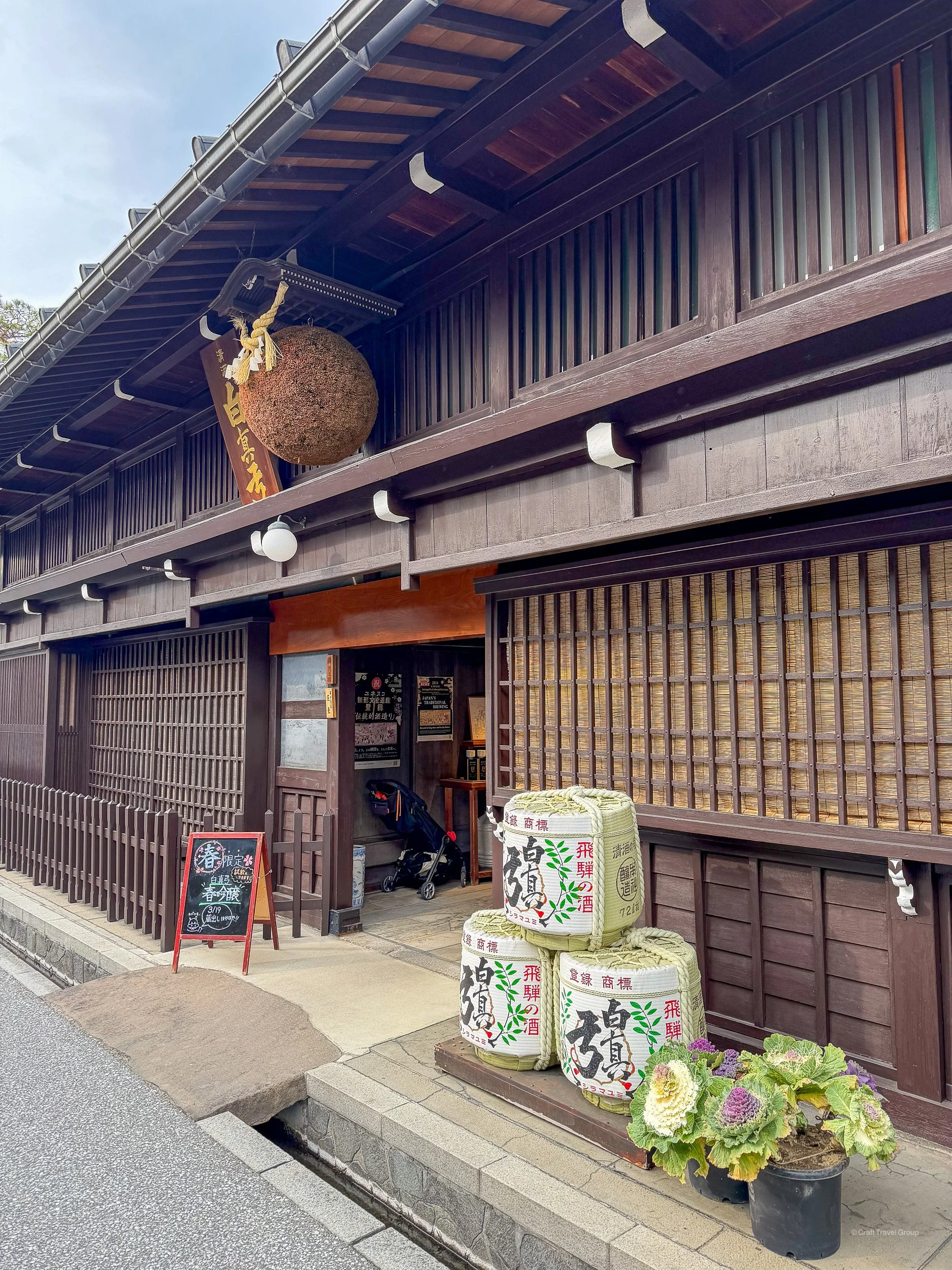
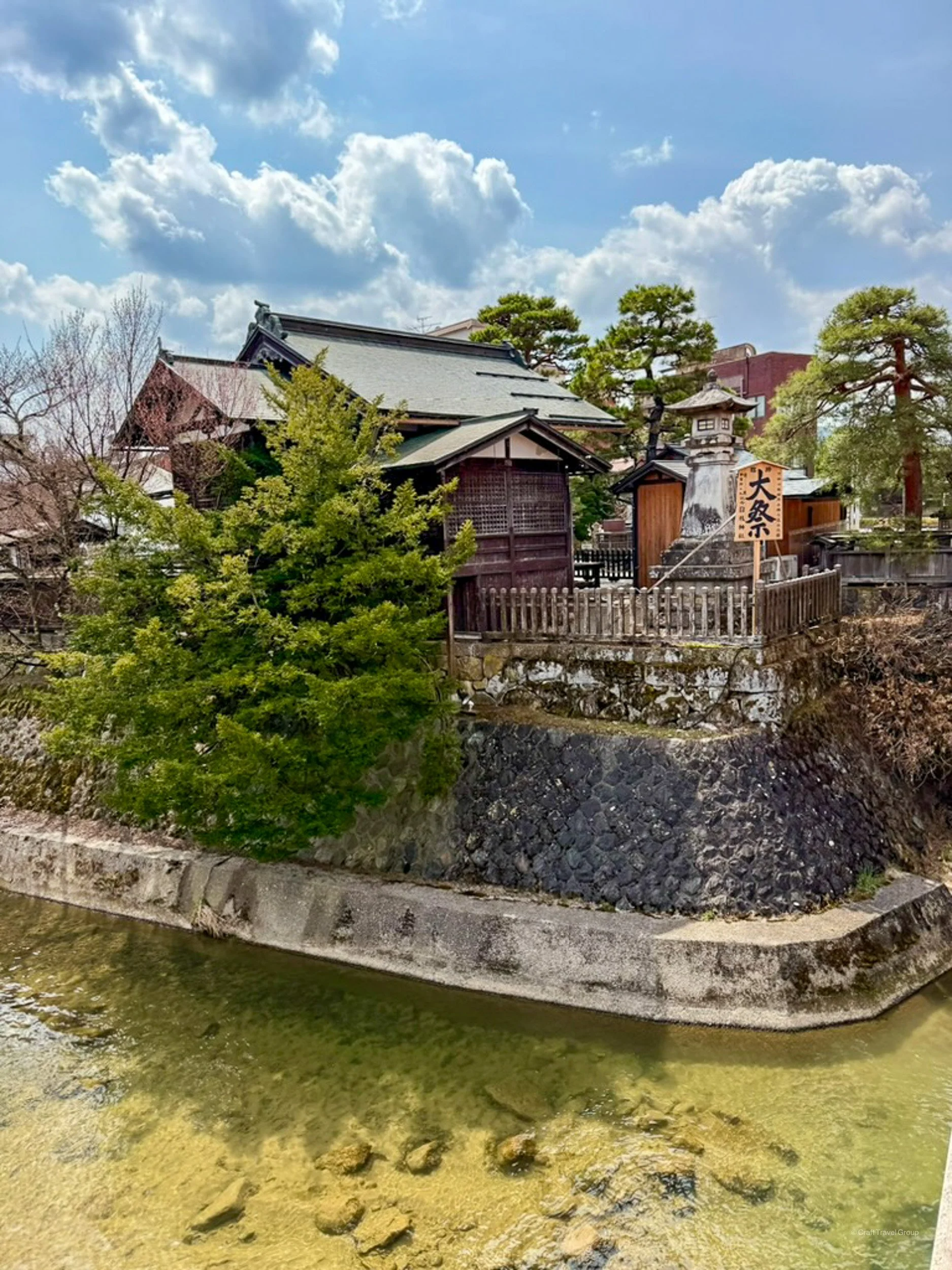
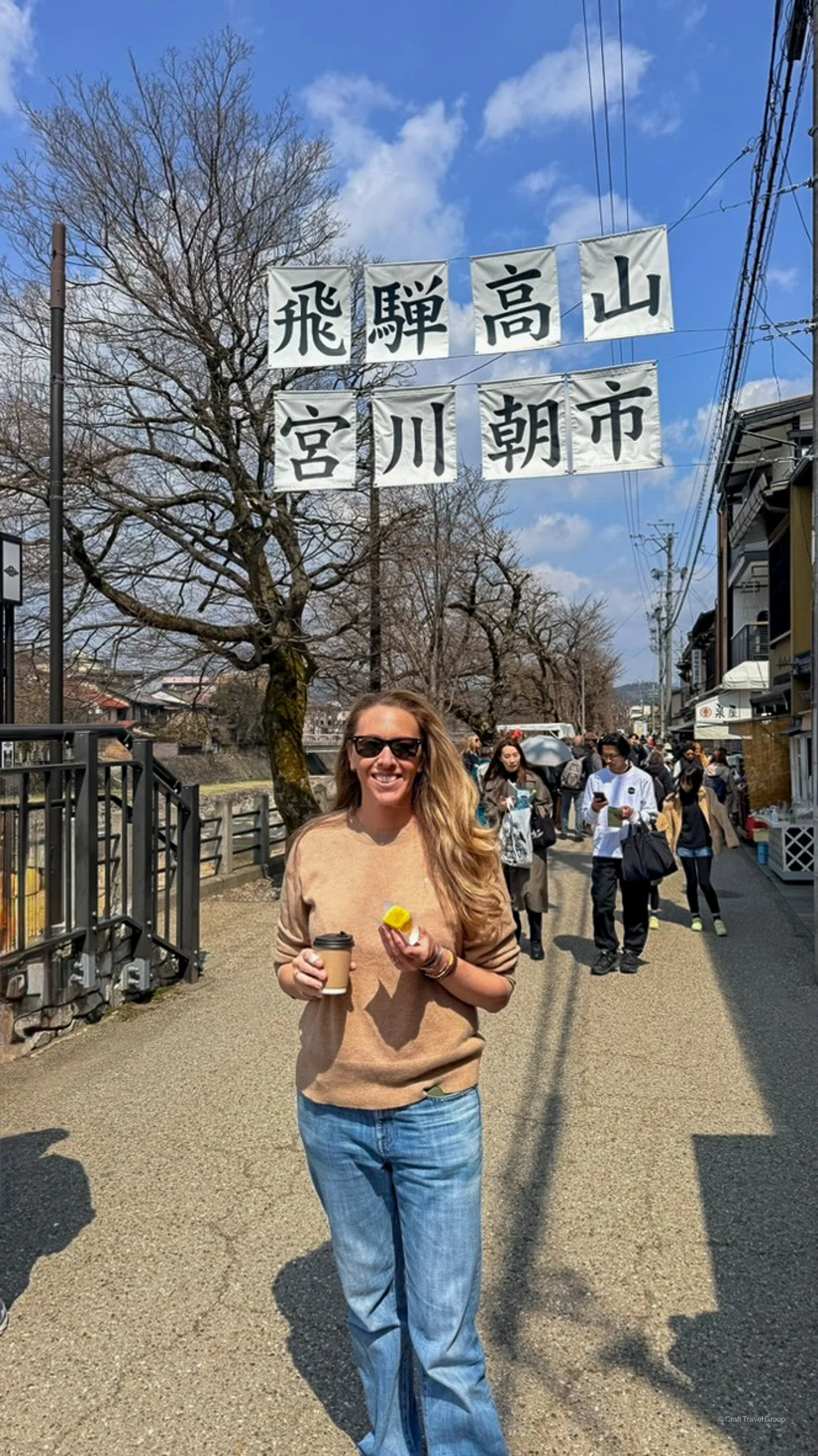
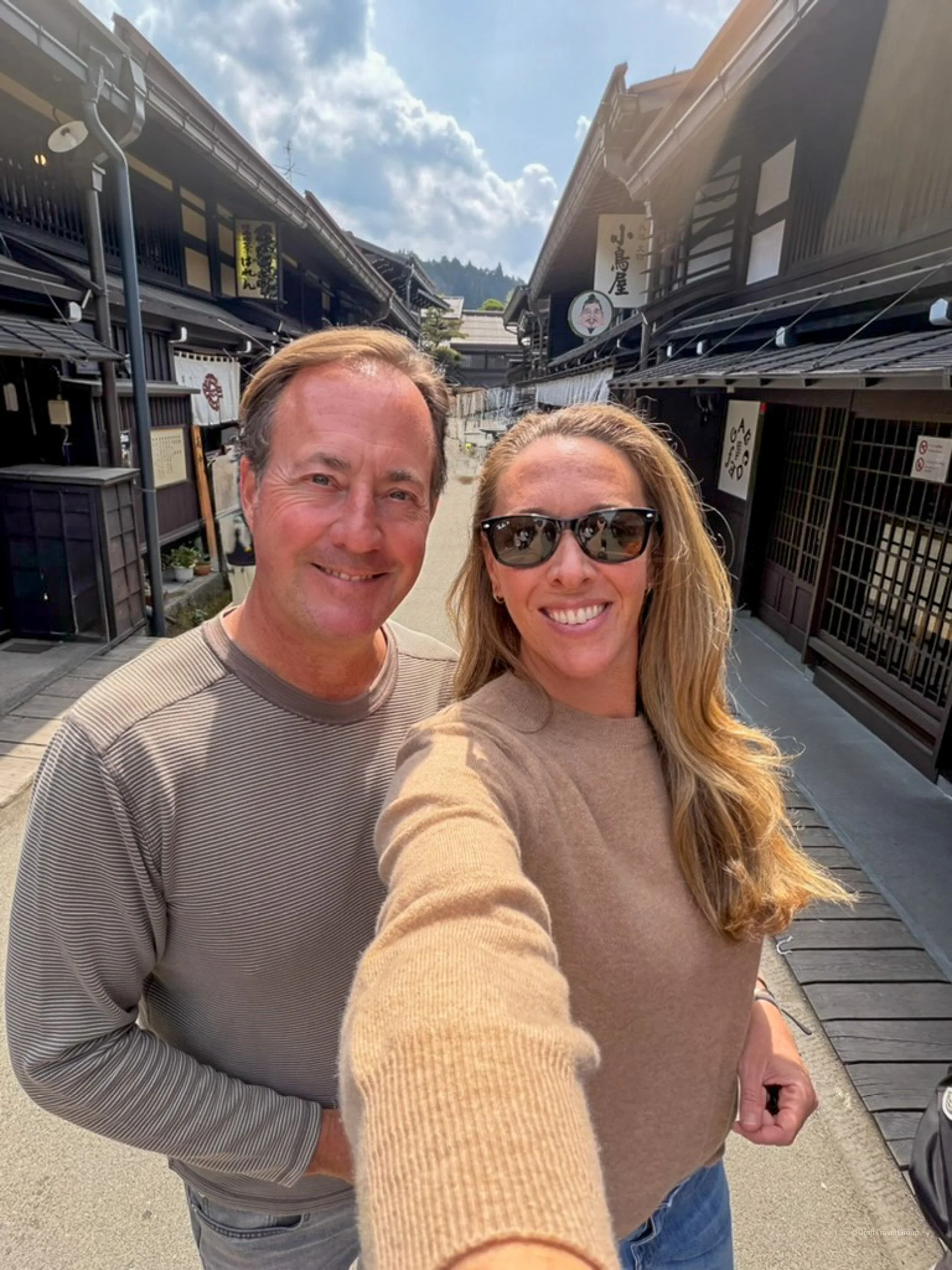
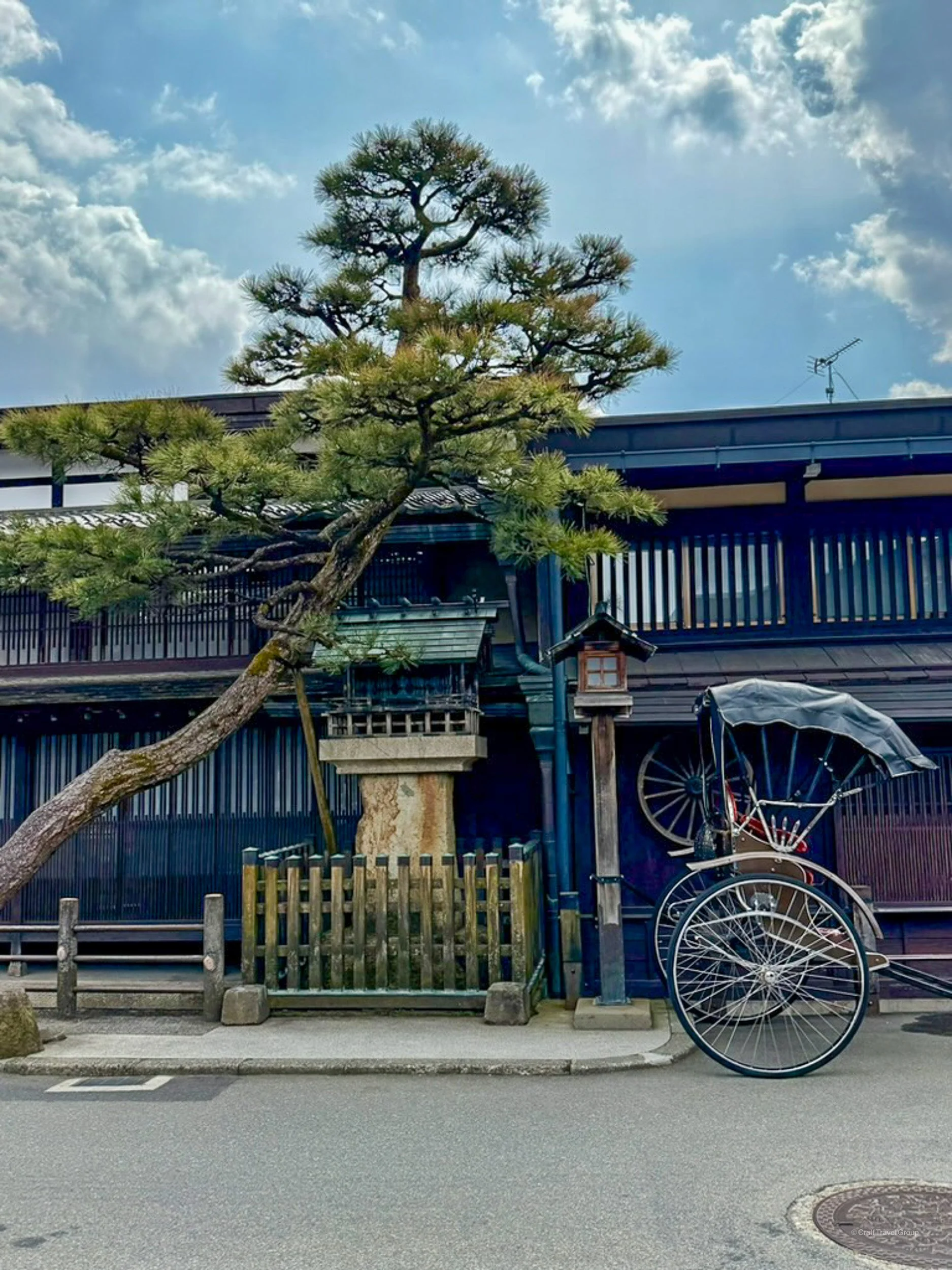
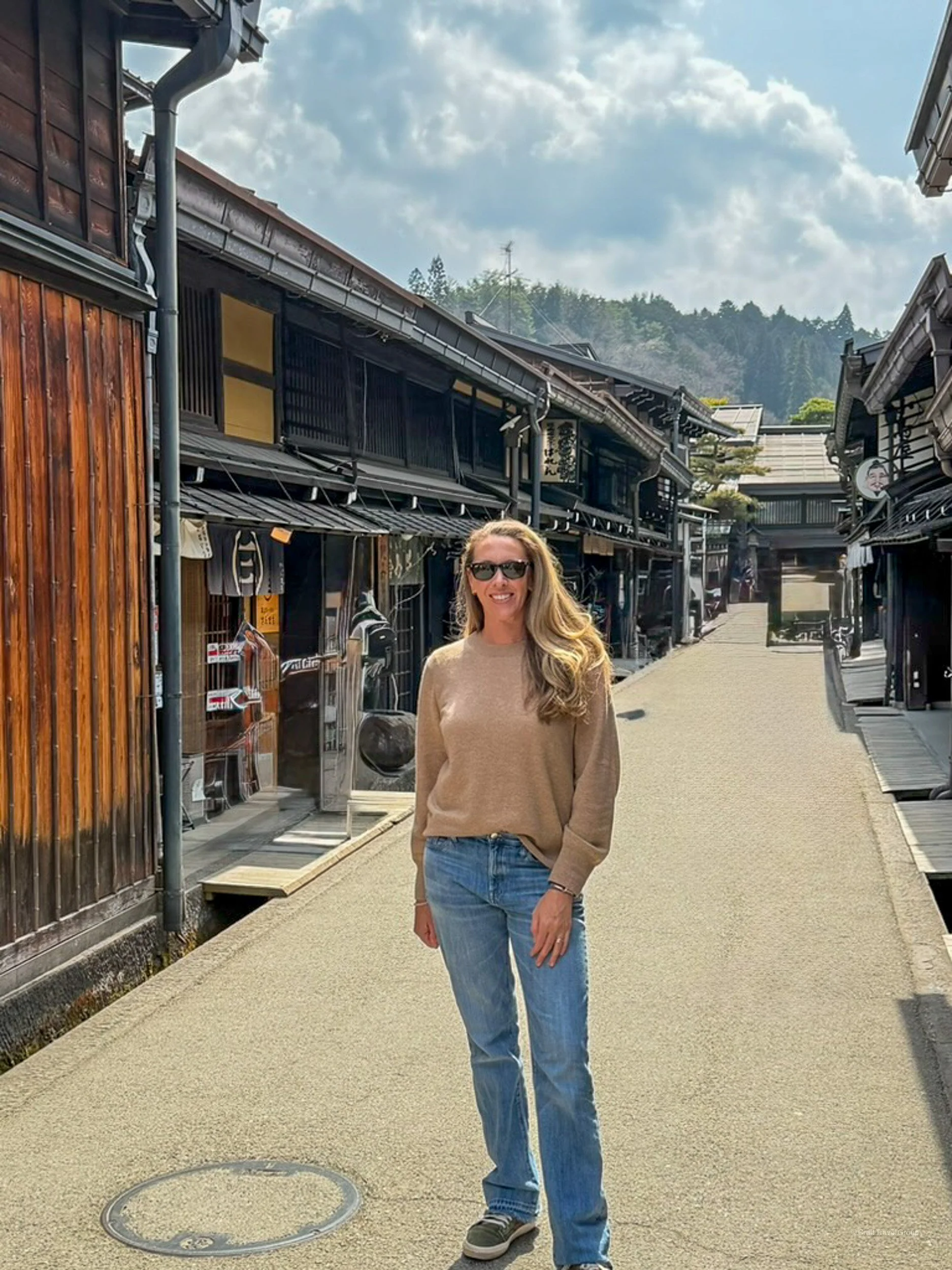
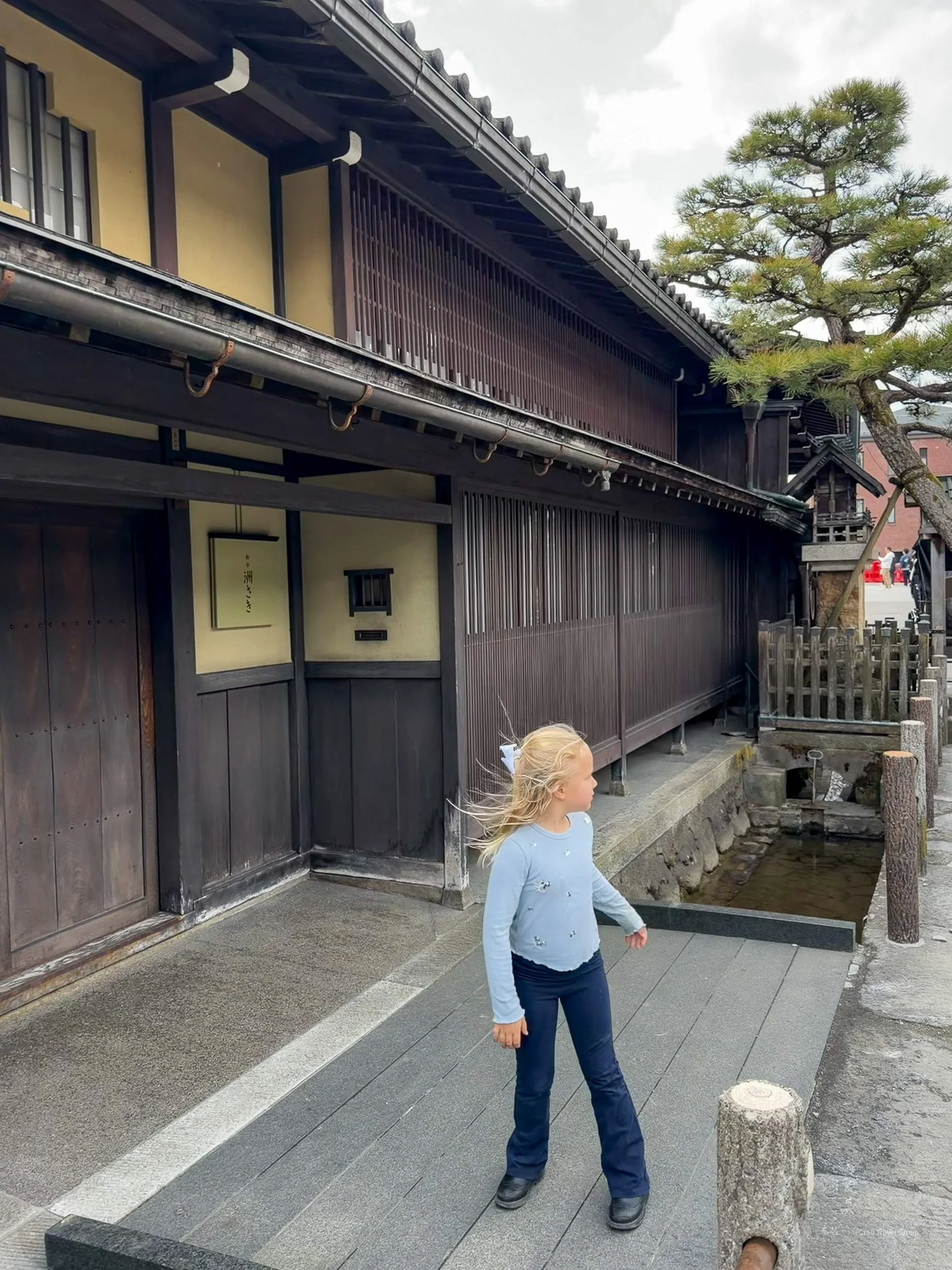
Takayama is a small town in the Japanese Alps known for its beautifully preserved Edo-period streets, lined with traditional shops, sake tasting rooms, and local restaurants. One of our favorite experiences was the Miyagawa Morning Market along the river. Unlike the more crowded Nishiki Market in Kyoto, it felt relaxed and scenic, with stalls selling local crafts, snacks, and fresh produce as we strolled by the water.
While the historic streets are charming, they can get very busy during the day with tour groups concentrated in a small area. It’s best to explore early in the morning or later in the evening once the crowds have cleared.
Where we Stayed in Takayama
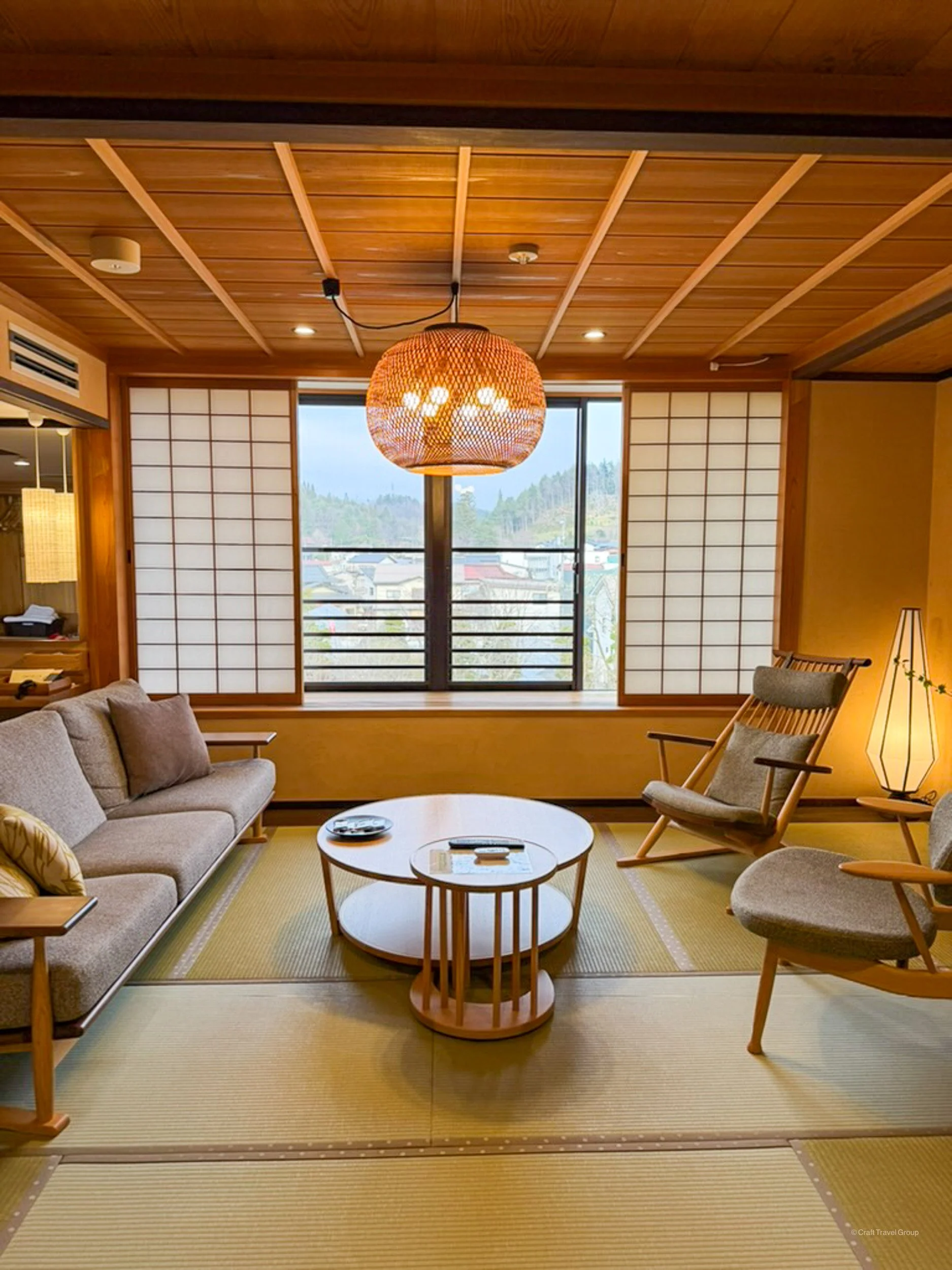
While Takayama itself felt more tourist-heavy than we’d wanted, our stay at Hidatei Hanaougi more than made up for it. As our first ryokan experience, we arrived wide-eyed and eager to fully immerse ourselves in something completely new.
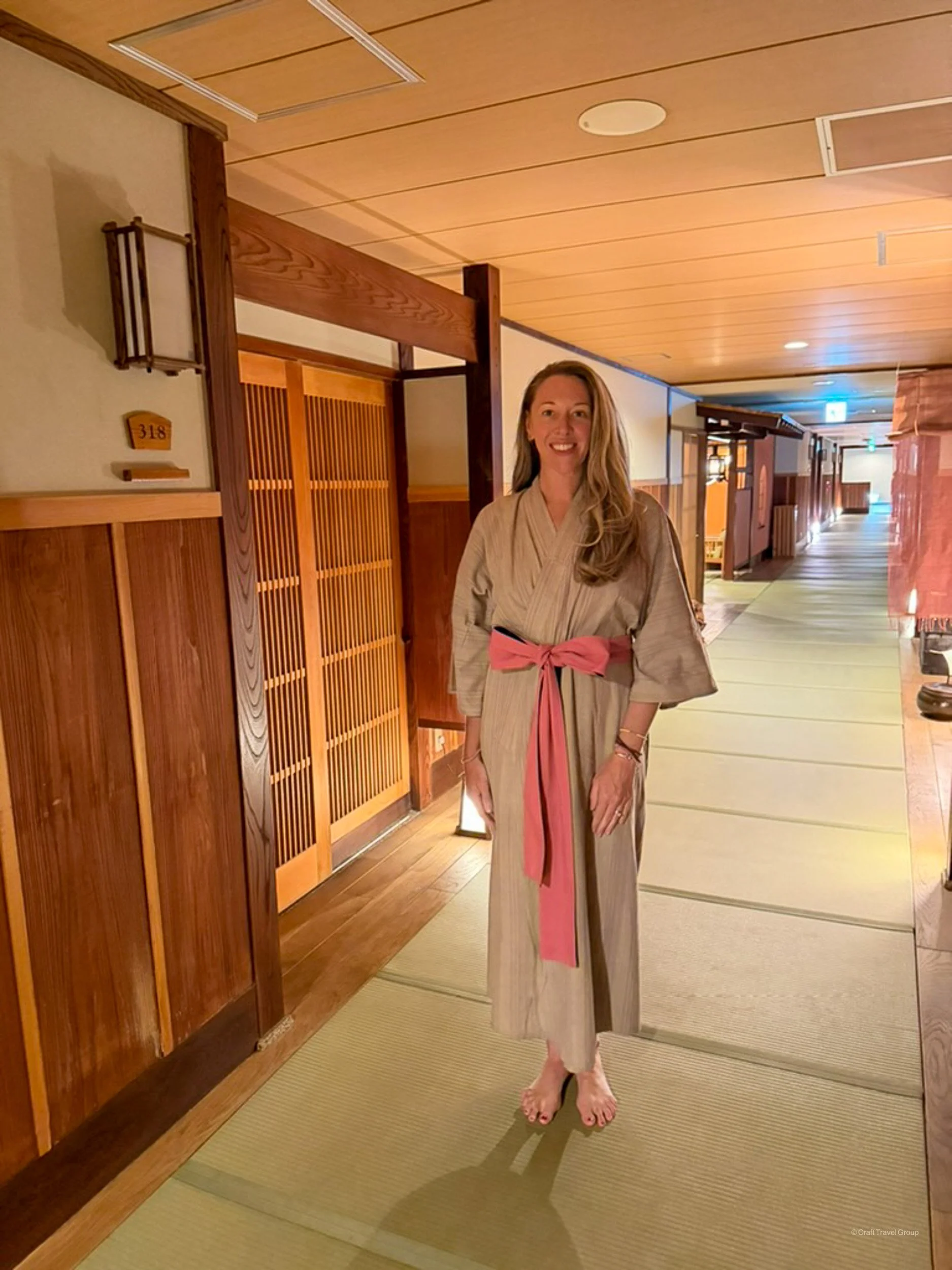
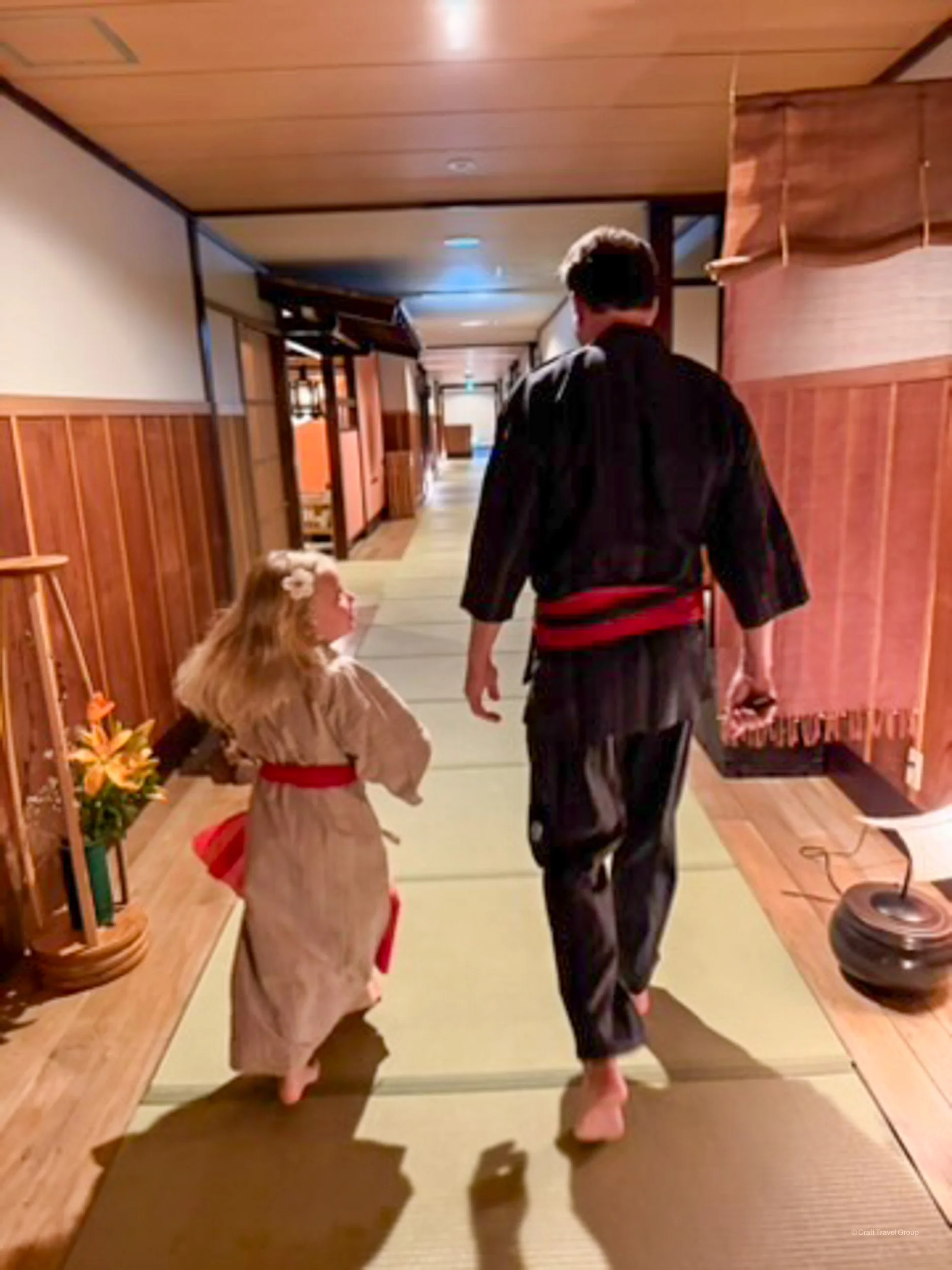
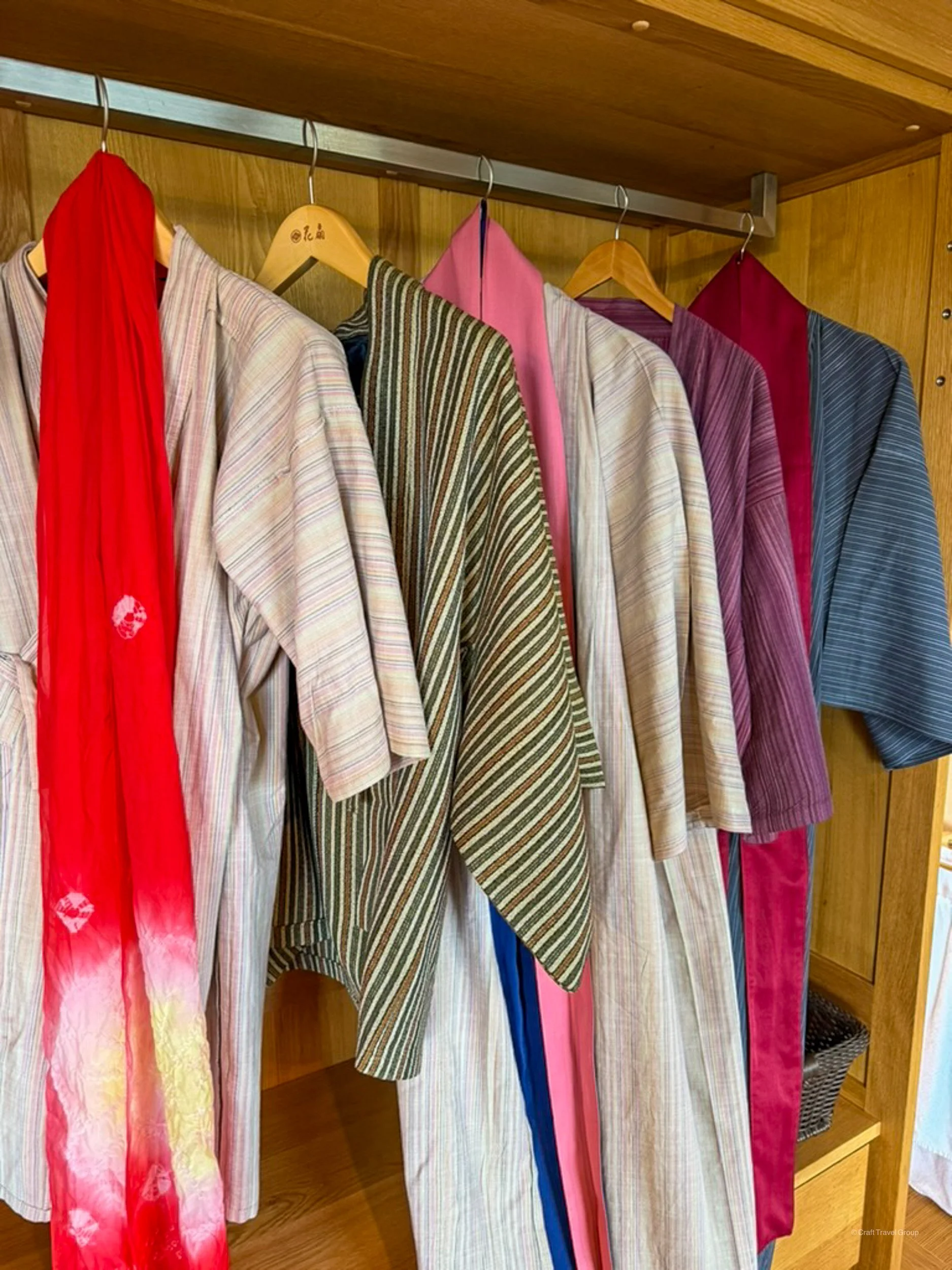
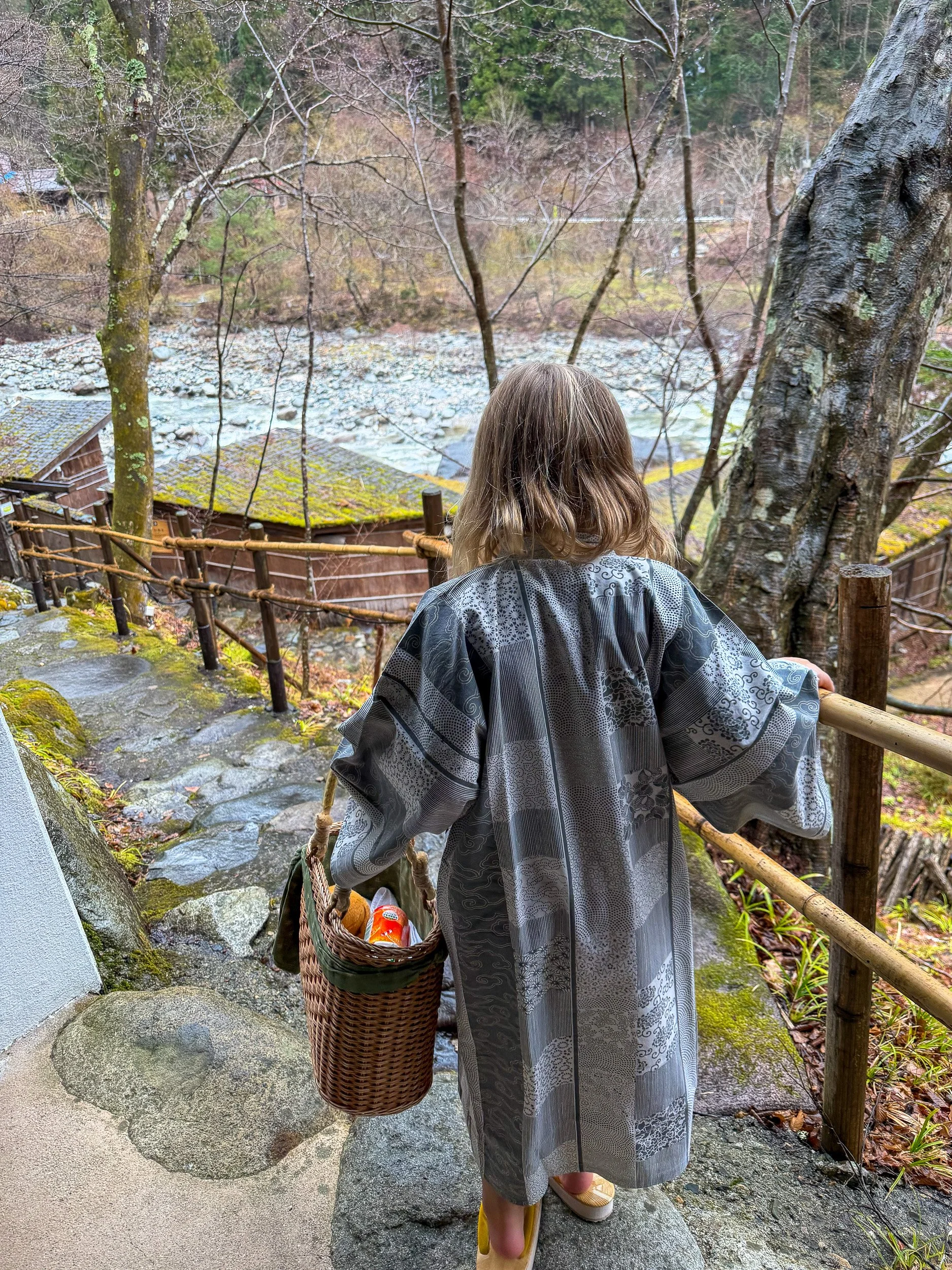
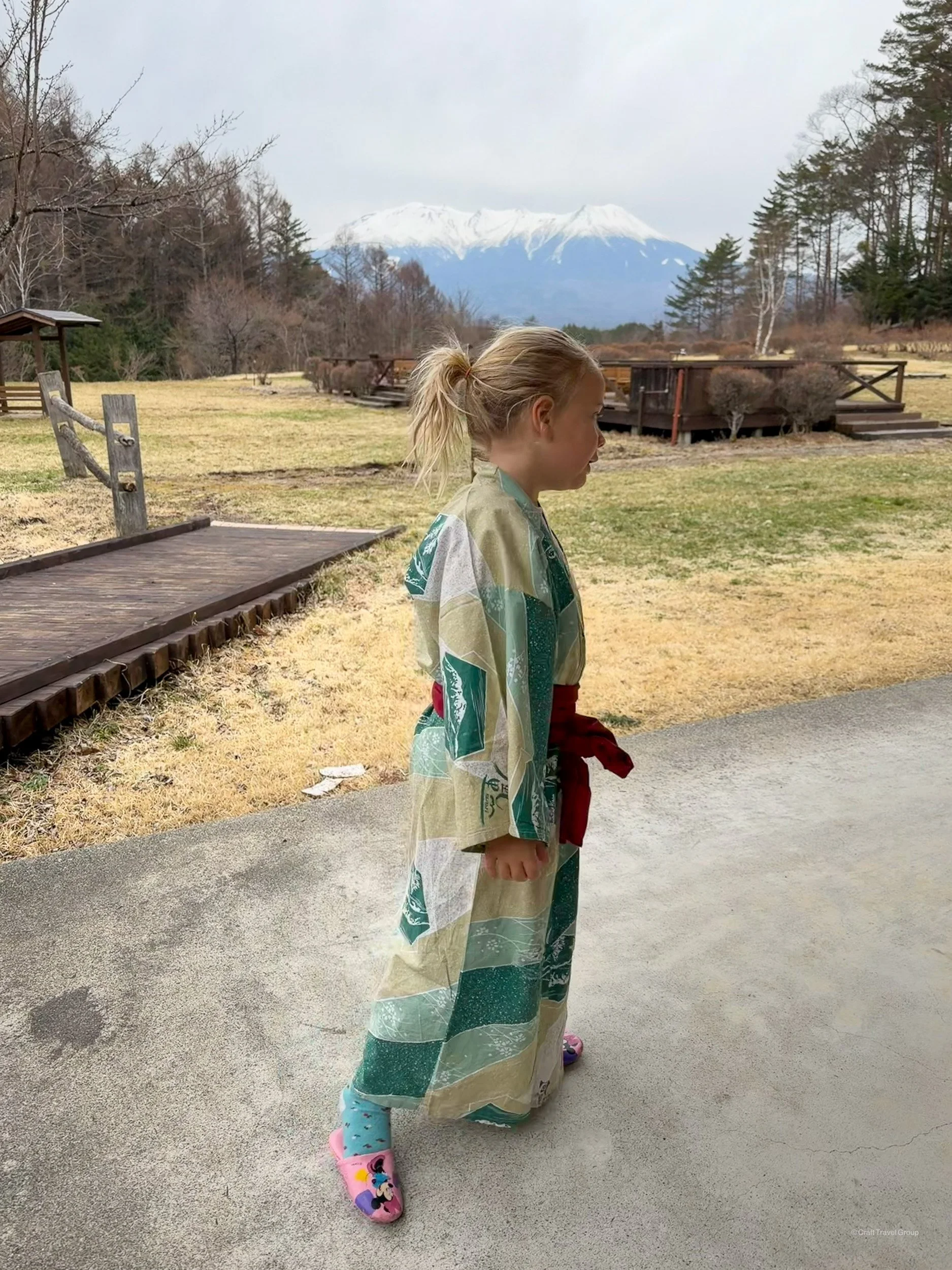
We were welcomed by a warm team of staff who kindly guided us through the rituals: removing our shoes, slipping into provided sandals, and settling into the lobby with tea while they explained ryokan etiquette. From wearing the yukata (a robe that doubles as loungewear throughout your stay, including to meals and the onsen) to navigating the shared bathing areas everything was clearly explained with printed guides. Dave leaned over at one point and whispered, “I’ve never felt so foreign” (in the best possible way).
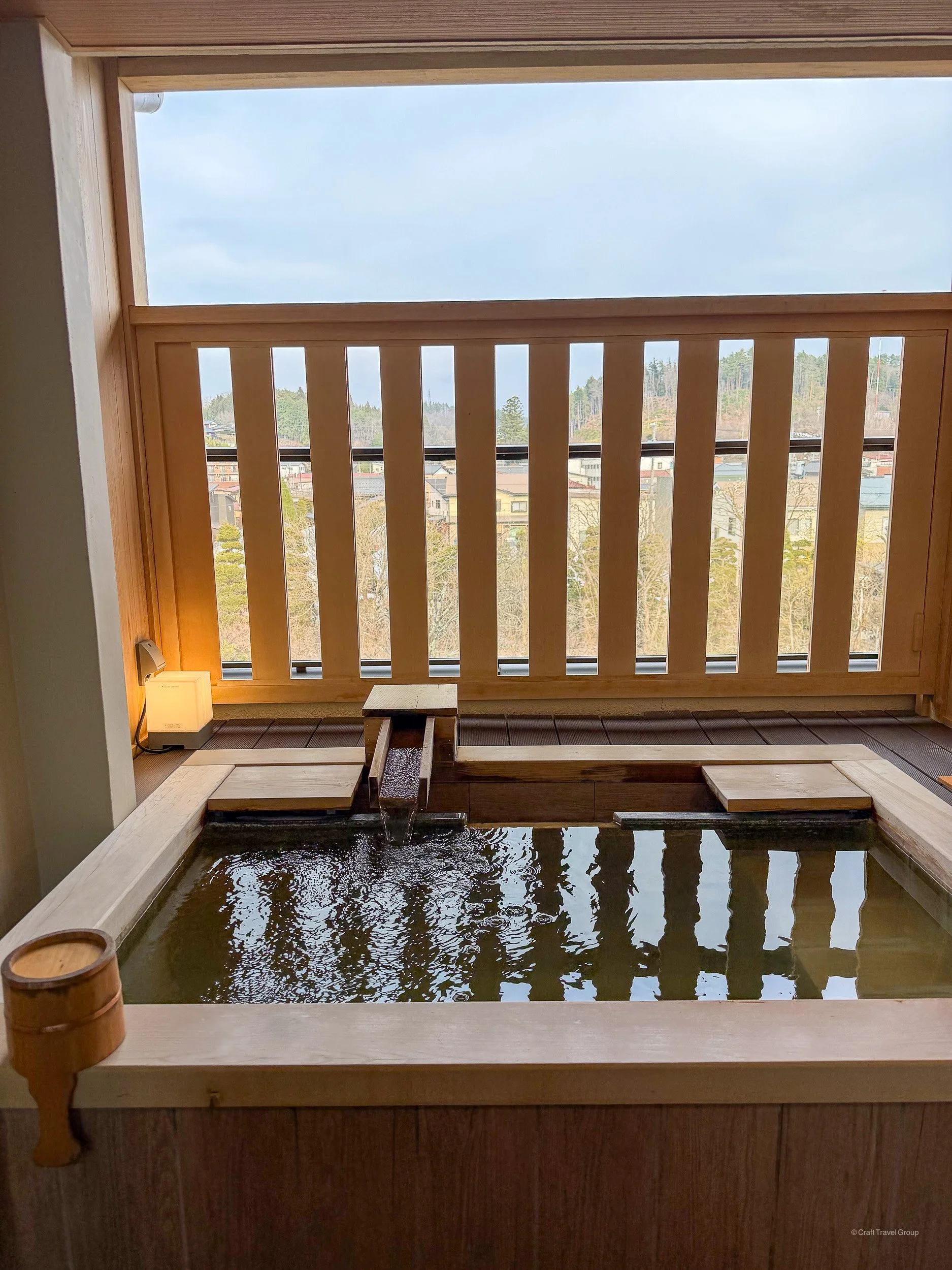
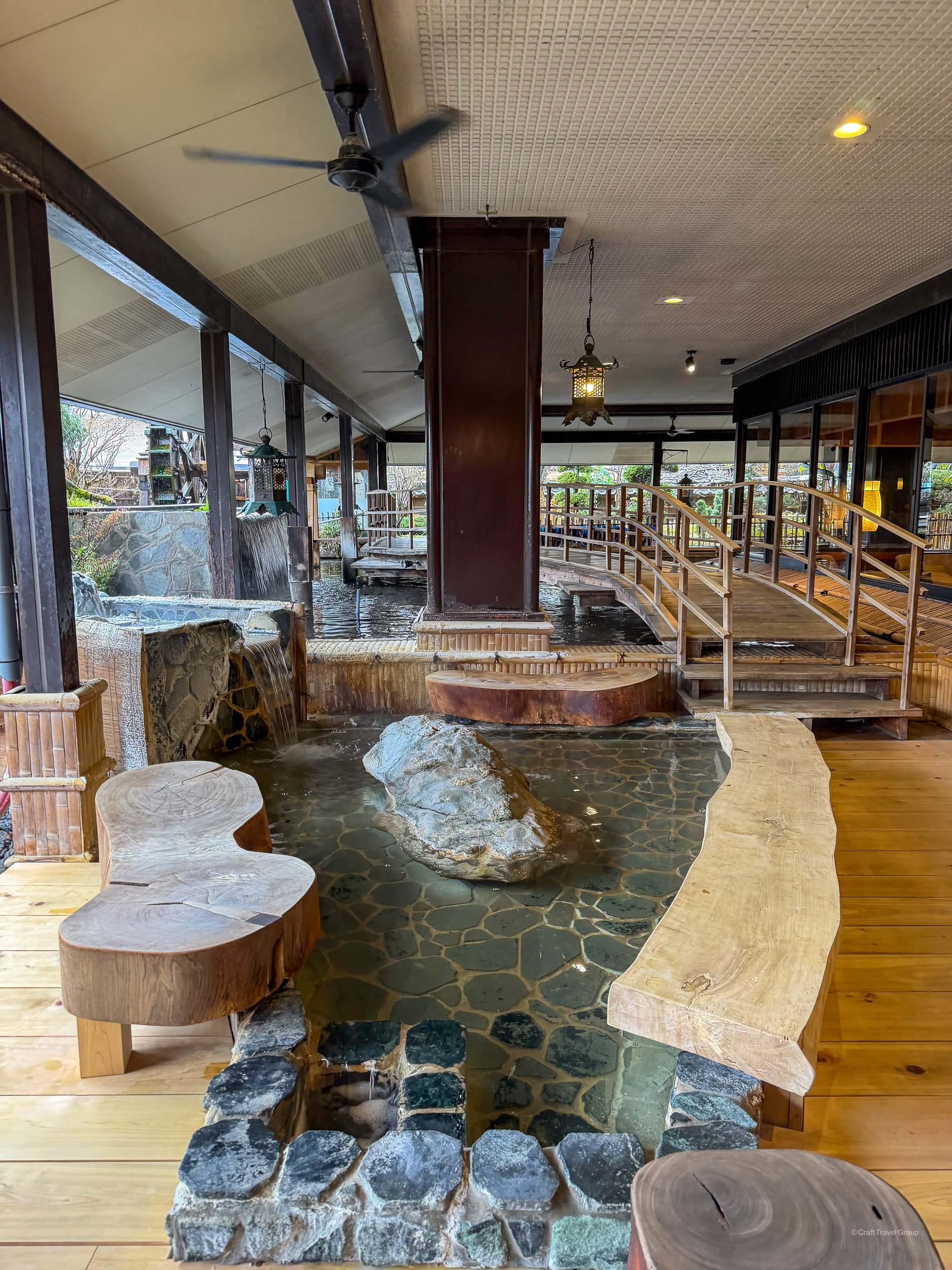
The ryokan itself blends tradition with quiet luxury. Rooms range from classic tatami-style spaces to Japanese-Western hybrids with beds and sitting areas (plus touches like Dyson hair dryers). Our room even had a massage chair, which felt random at first but quickly became a favorite detail. Some rooms also include private open-air onsens with mineral-rich water, which I highly recommend for the privacy and flexibility they offer, especially since the public baths close during the day for cleaning and also require full nudity.
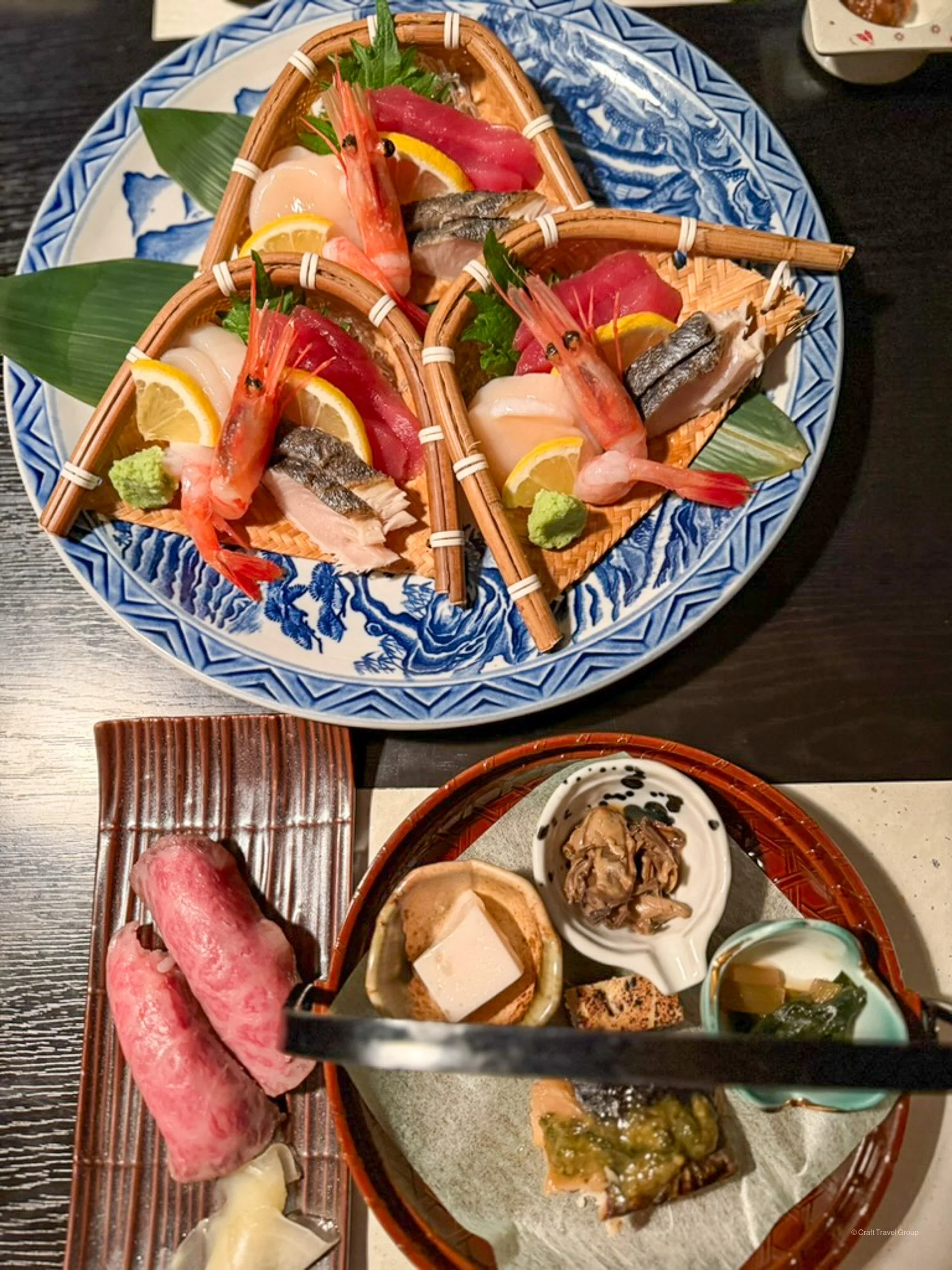
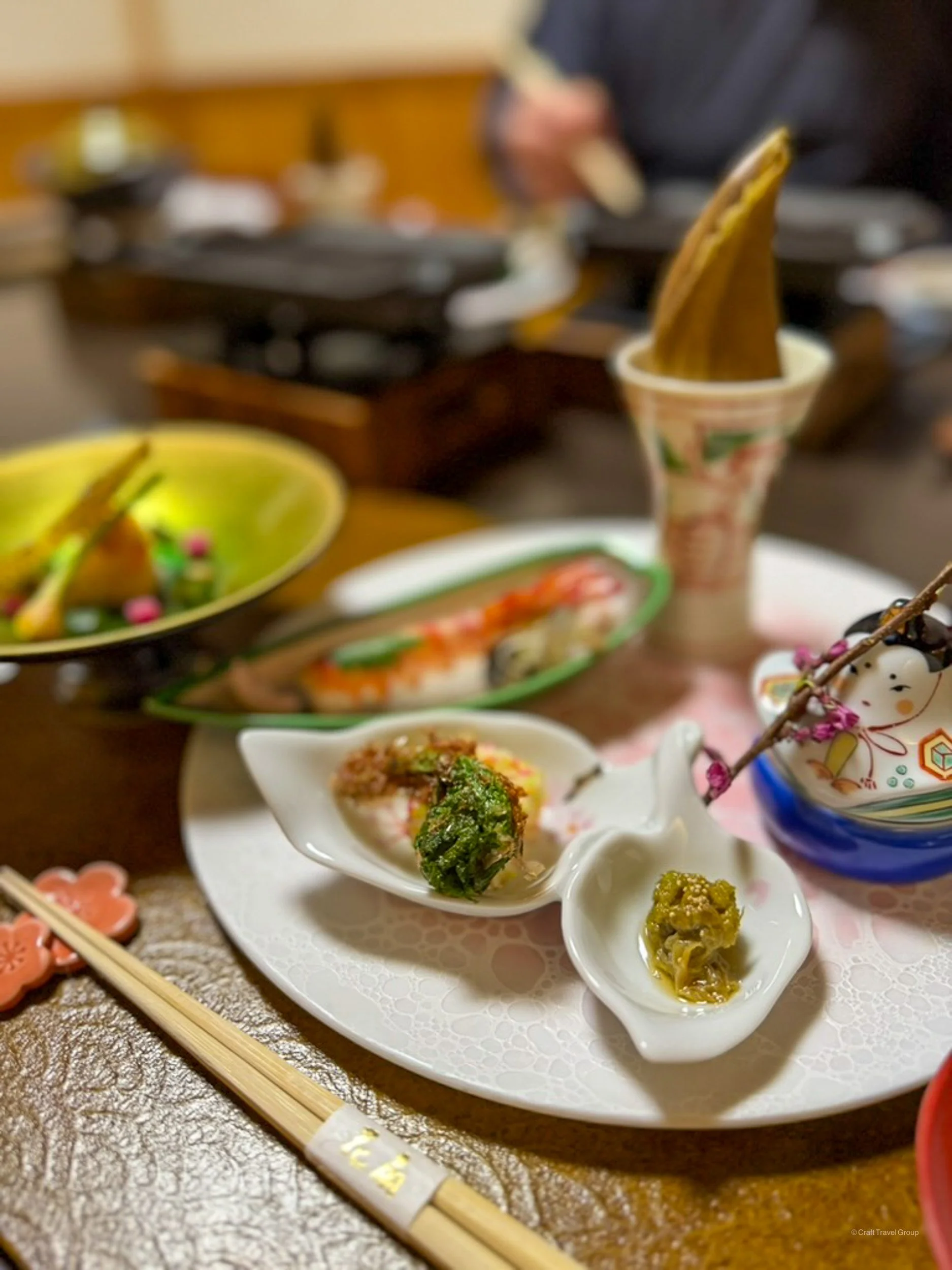
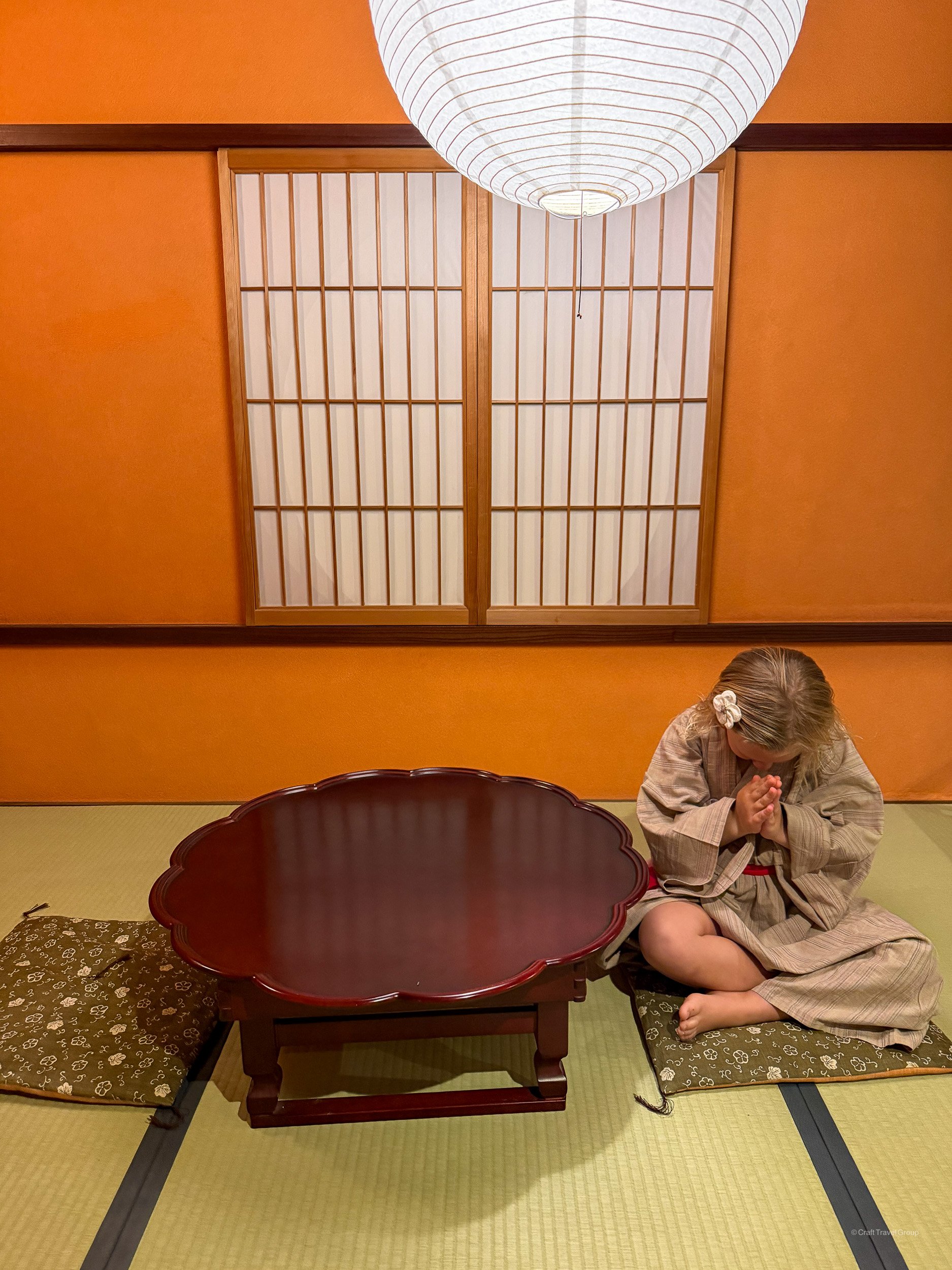
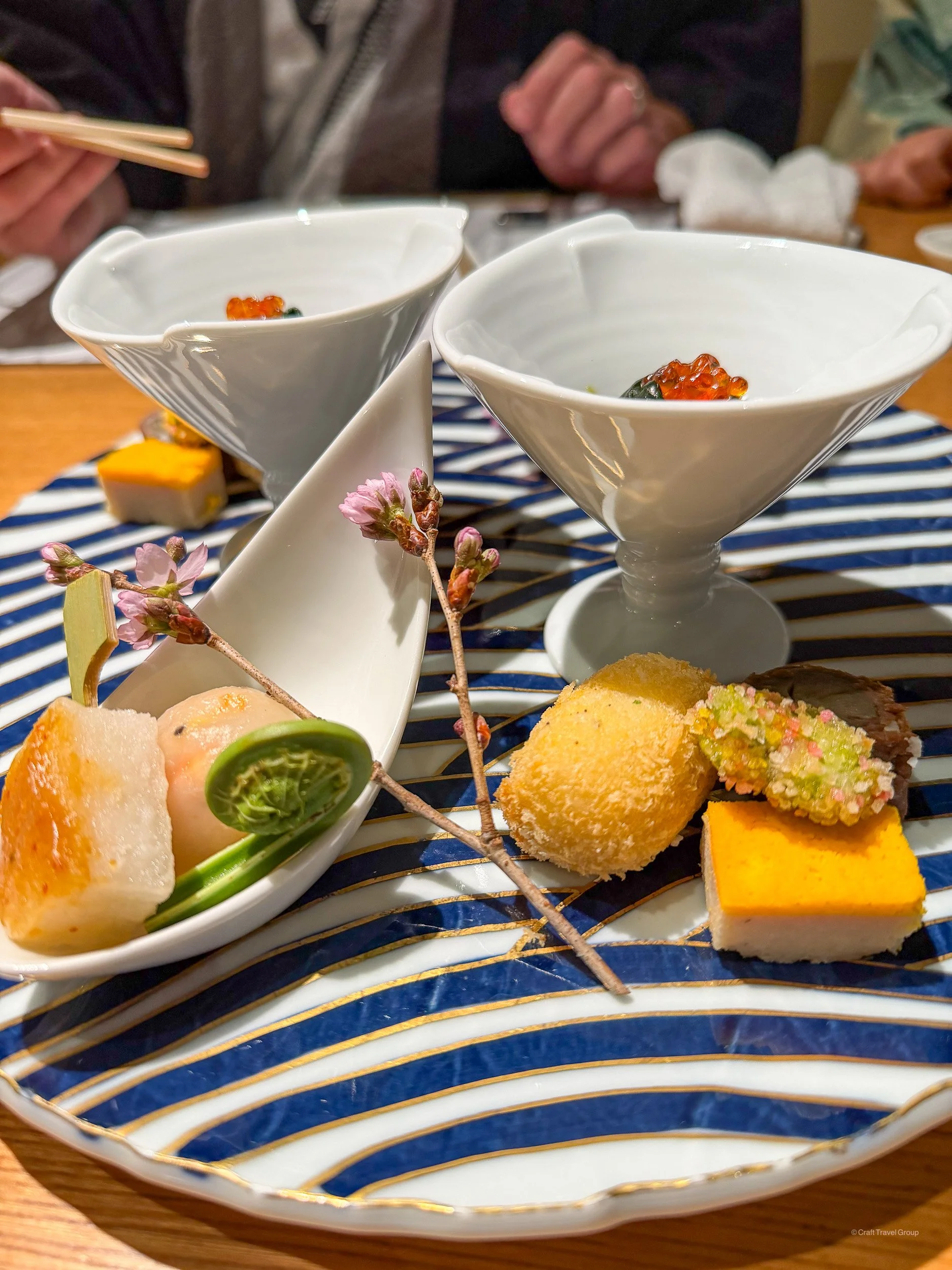
We had a private dining room for both our kaiseki breakfast and dinner. This made the experience especially comfortable with Fia in tow, giving us space to relax and move between the long, multi-course meals. The regional specialty of Hida beef was a highlight at dinner.
While ryokans aren’t always designed with young children in mind, we felt welcomed and at ease at Hidatei Hanaougi. Fia was a big fan of the Minnie Mouse bathroom slippers that she had a hard time parting with.
Hida Furukawa: The Crowded Path Untaken
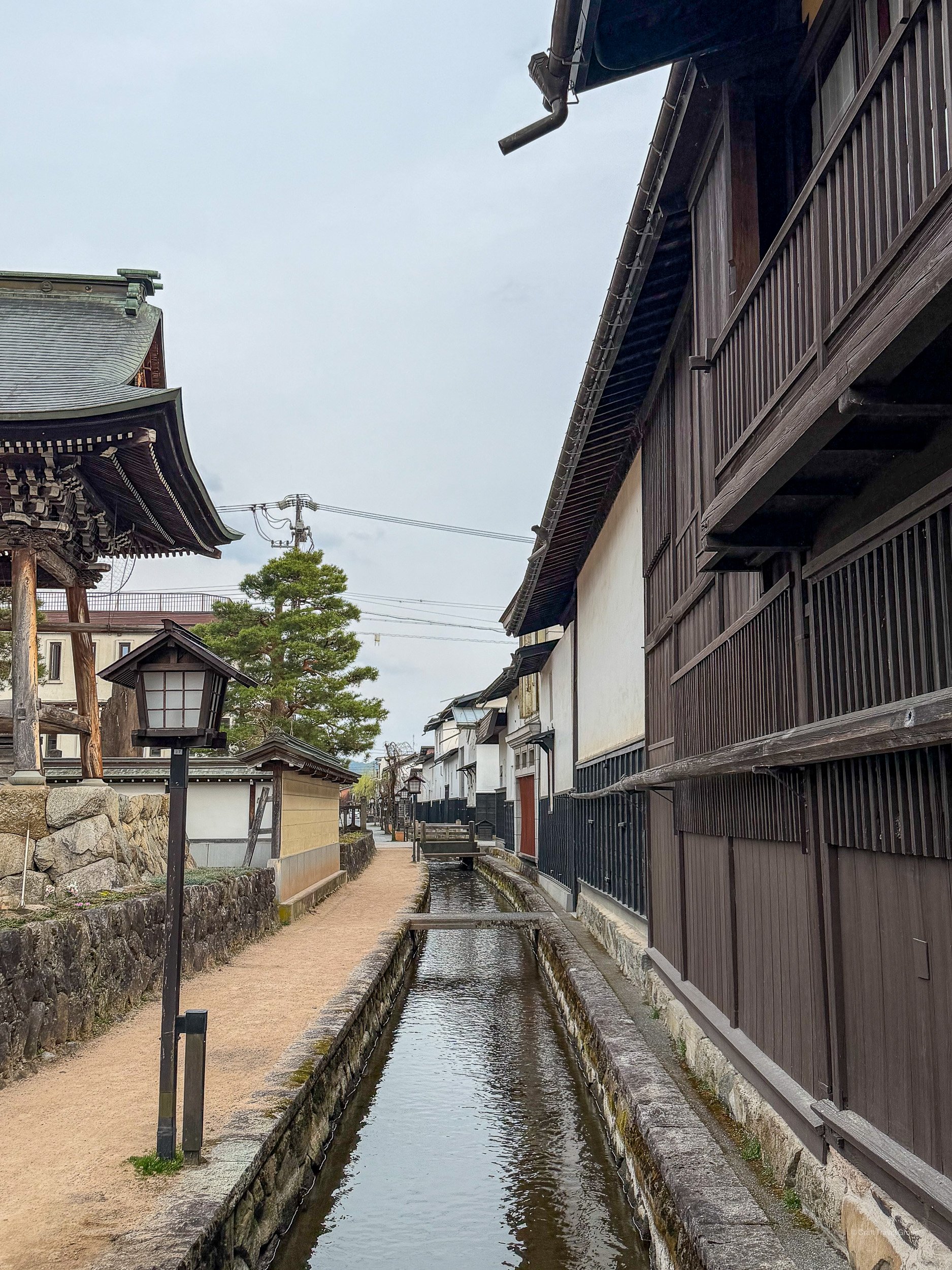
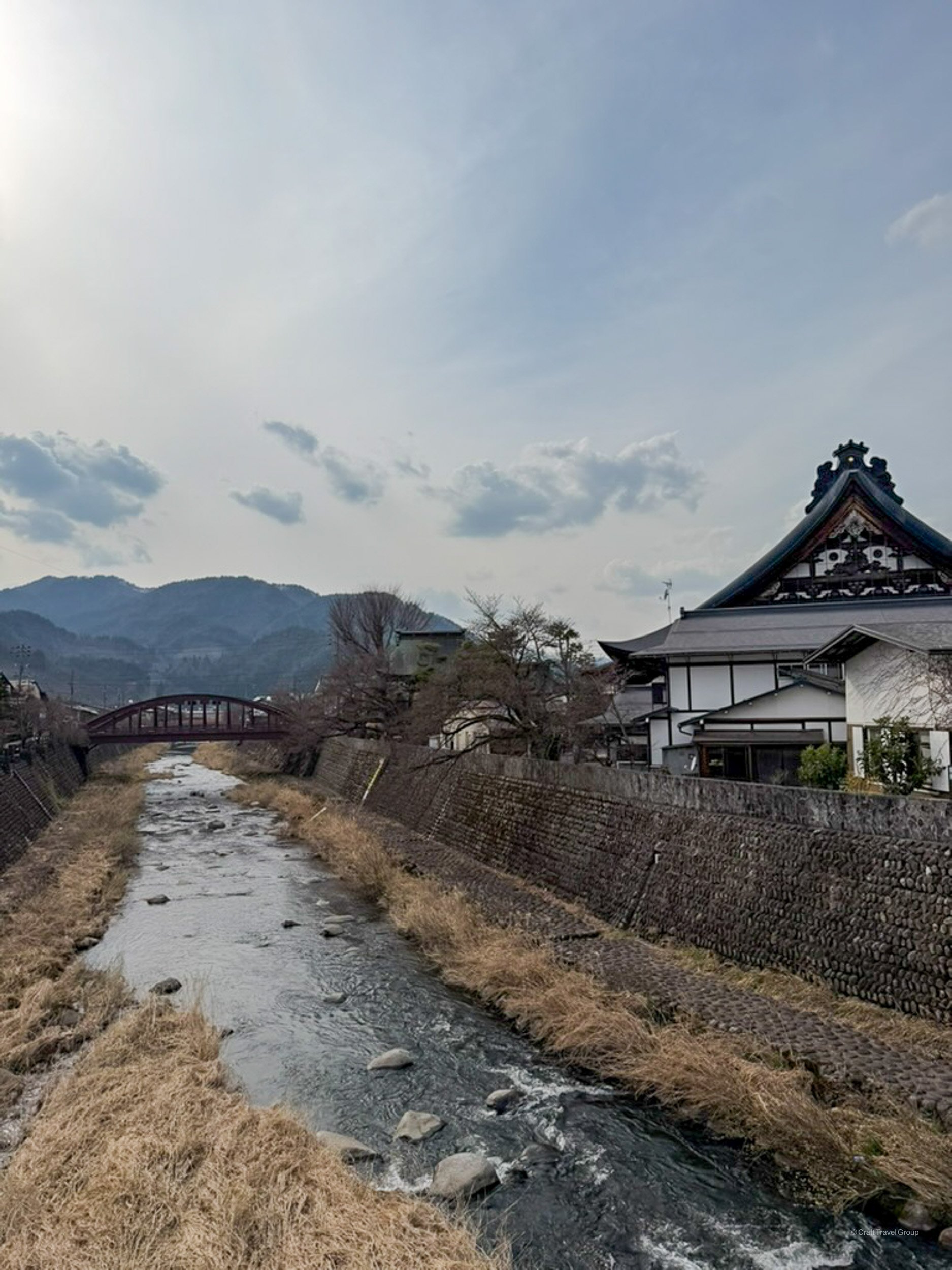
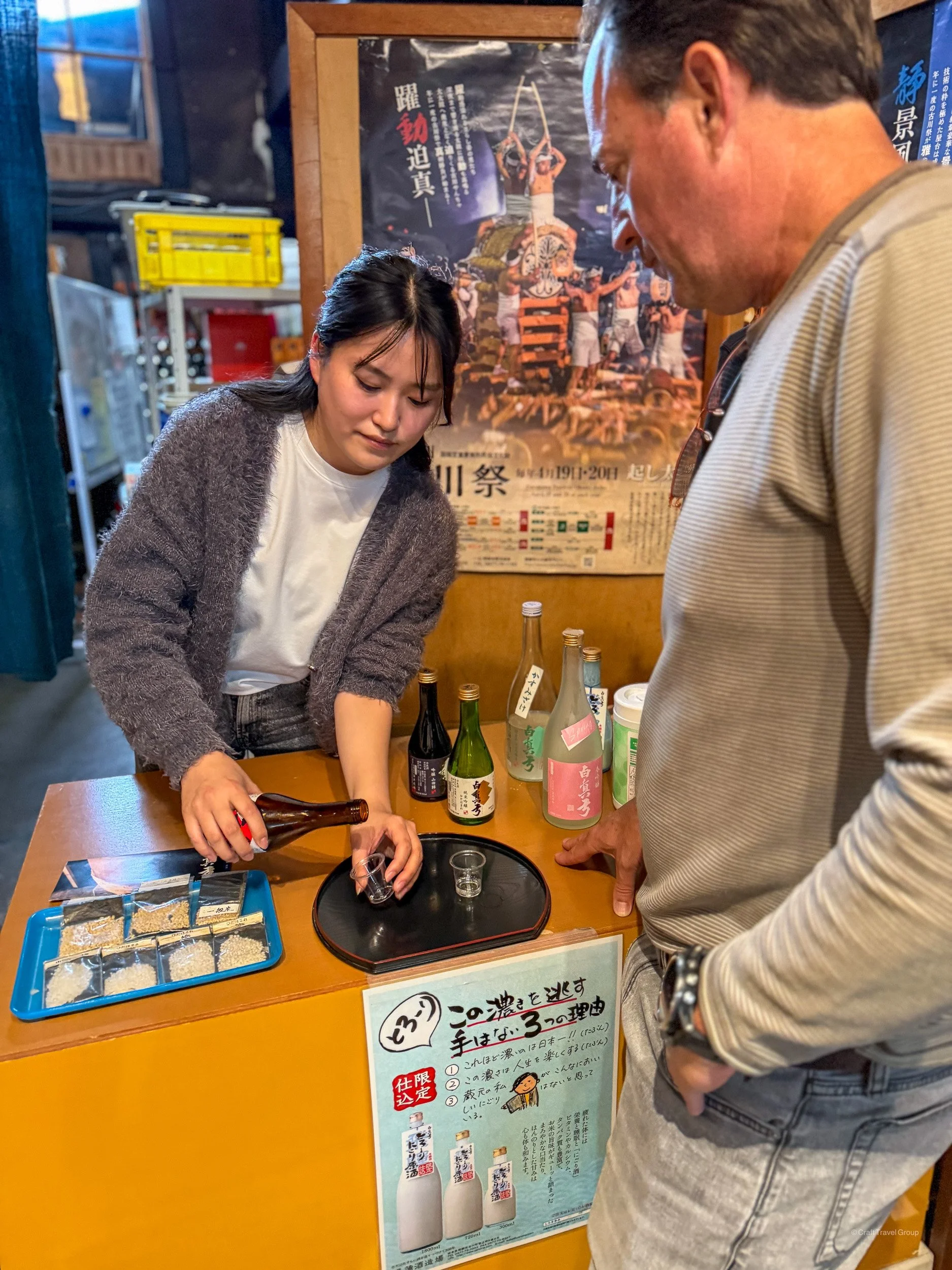
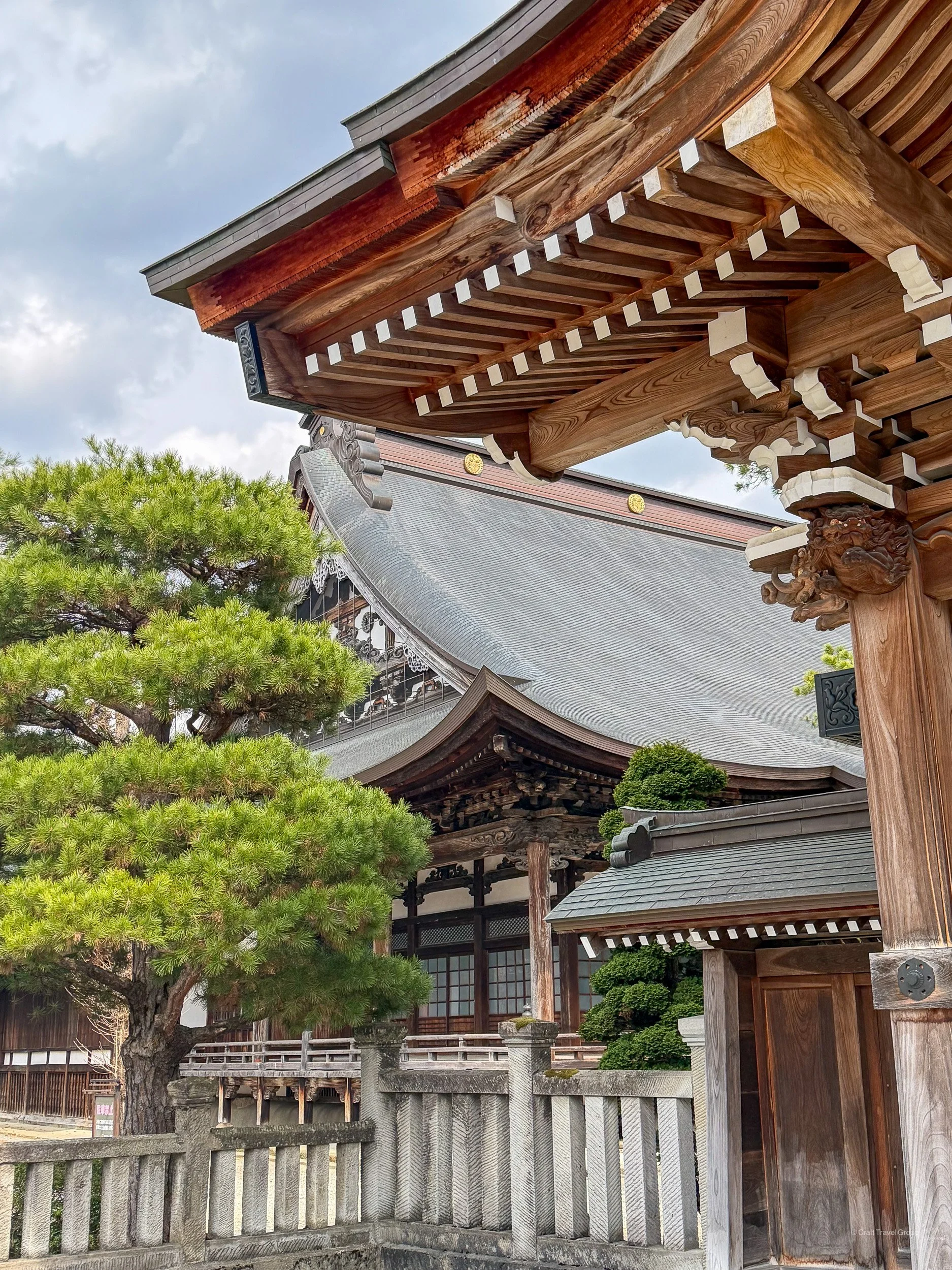
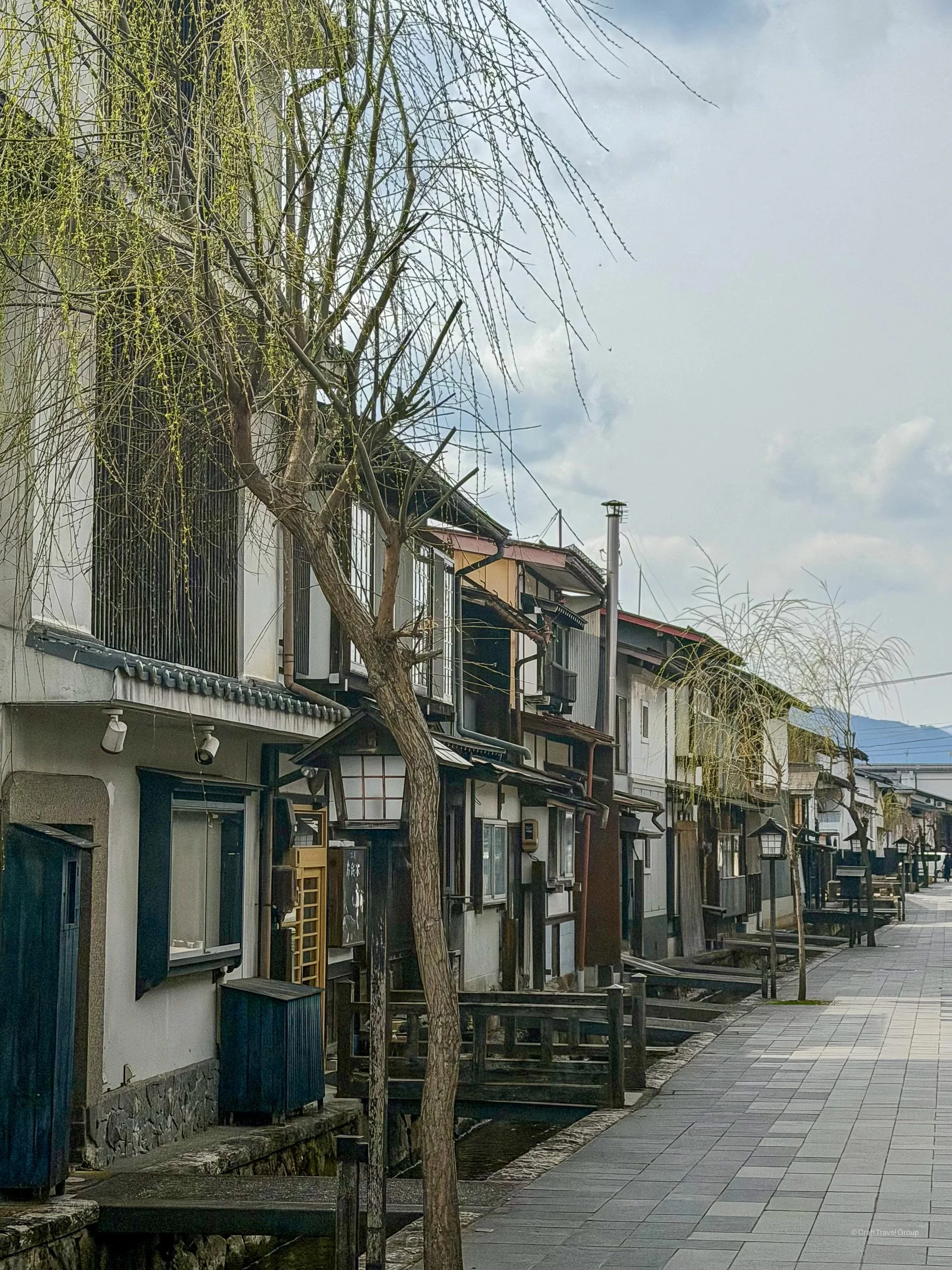
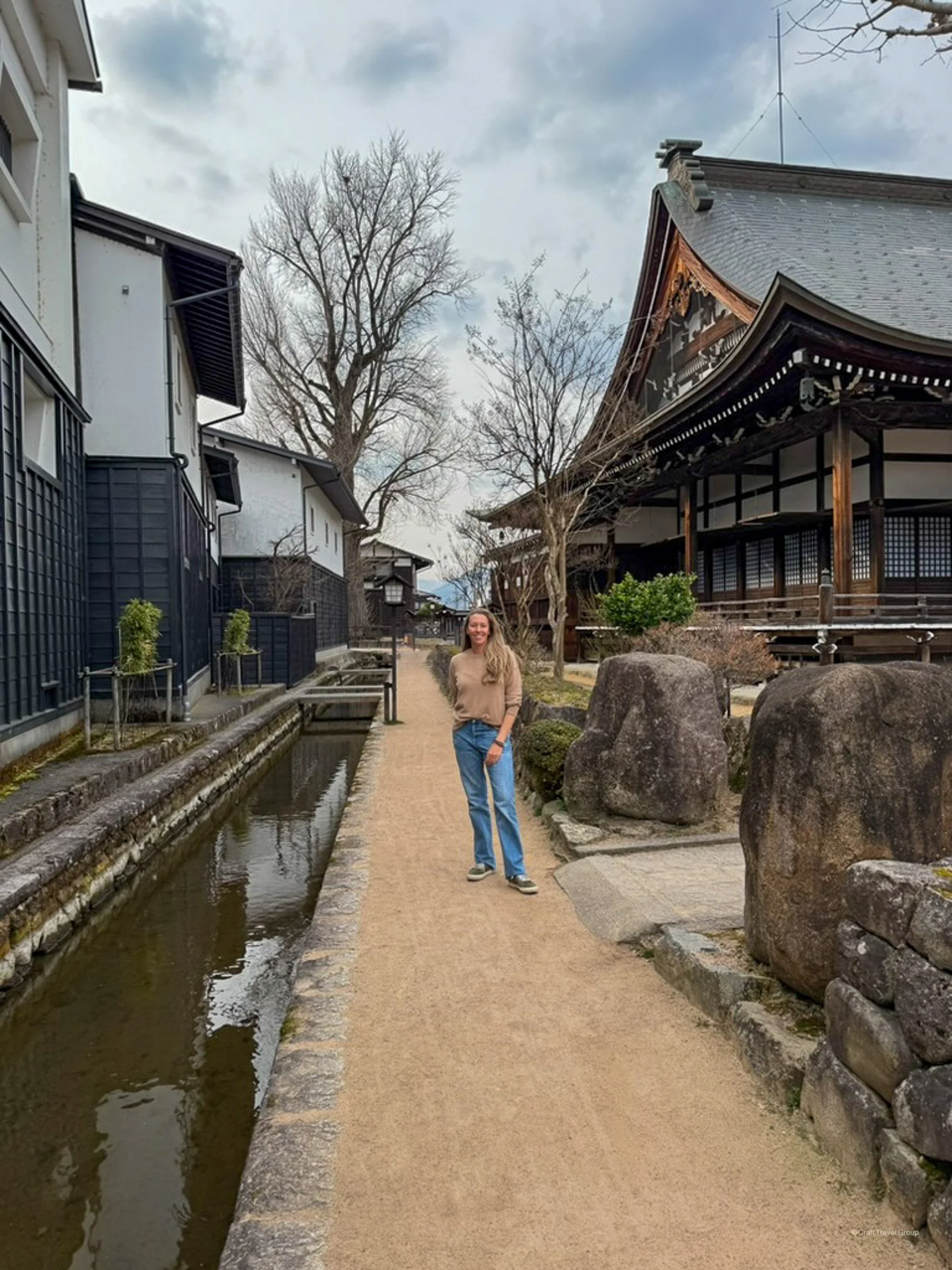
In search of fewer crowds and tour buses, we spent the next day in Hida Furukawa, a beautifully preserved Edo-period town just 20 minutes from Takayama by car or train. It offers much of the same charm as Takayama but on a far quieter scale, with white-walled storehouses, wooden machiya houses, small sake breweries, and peaceful canals lined with carp in warmer months. We saw only a handful of other tourists here compared to thousands in Takayama.
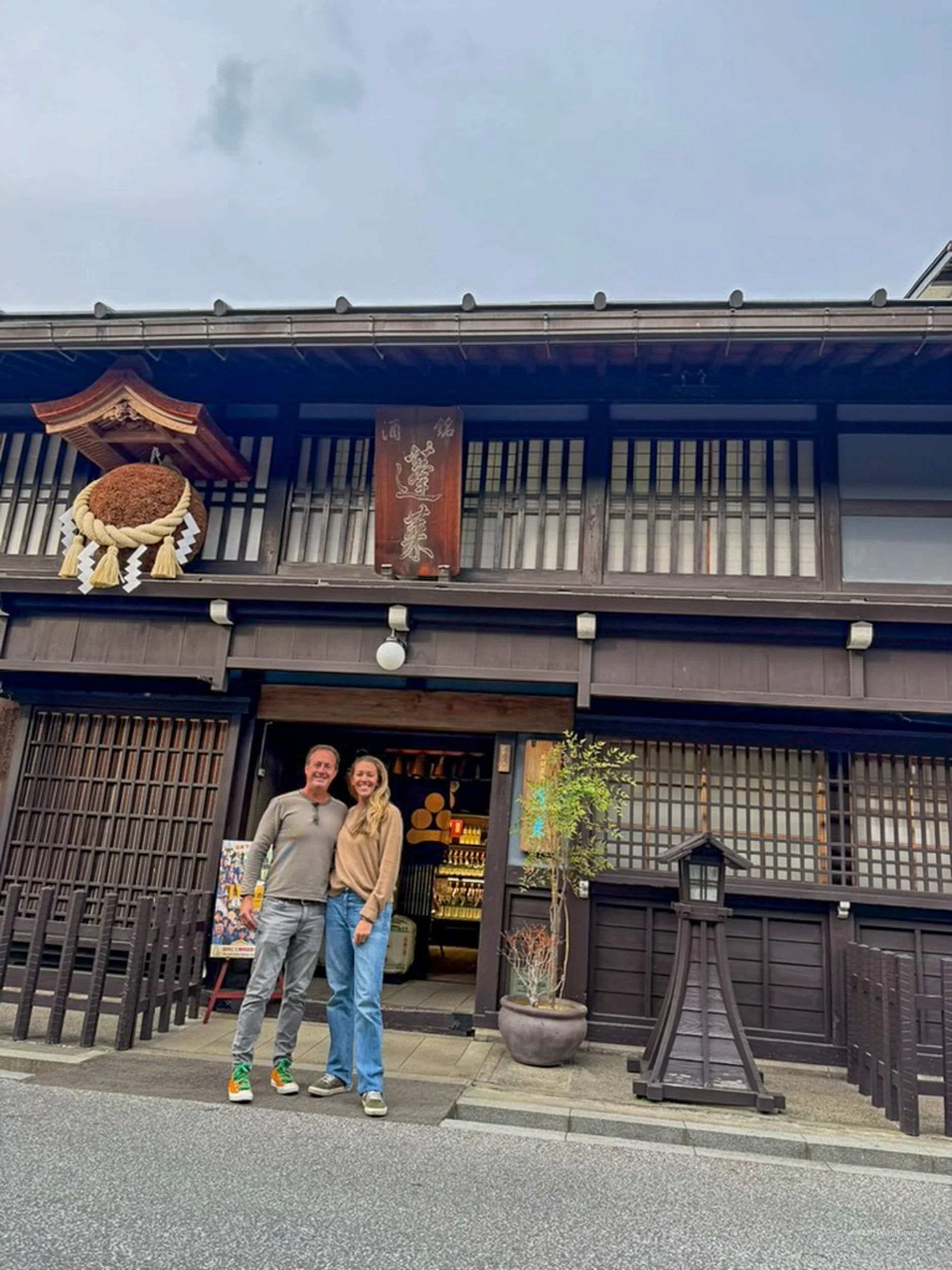
Set in the Japanese Alps, this region is known for its pristine water, exceptional rice, and centuries of craft tradition, all of which contribute to some of Japan’s best sake. While Takayama has sake tasting areas, many are busy with constant tour groups. In Hida Furukawa, we had the breweries (and the town) almost entirely to ourselves.
It was exactly the kind of experience we were hoping for on this trip: a reminder that some of the best moments come from wandering just a little further off the well-worn path.
Okuhida: Raw Alpine Isolation
We picked up our rental car in Takayama and drove 1.5 hours to the Okuhida region. As with most things in Japan, the car rental process was seamless, efficient, polite, and timely. Driving was surprisingly easy too, with strict rules, calm roads, and low speed limits.
Tip: you need an international driving permit before arriving in Japan. Prior to traveling, we quickly had ours issued at AAA, where we were jokingly asked if it was for Mario Kart driving in Tokyo, apparently a common request these days!
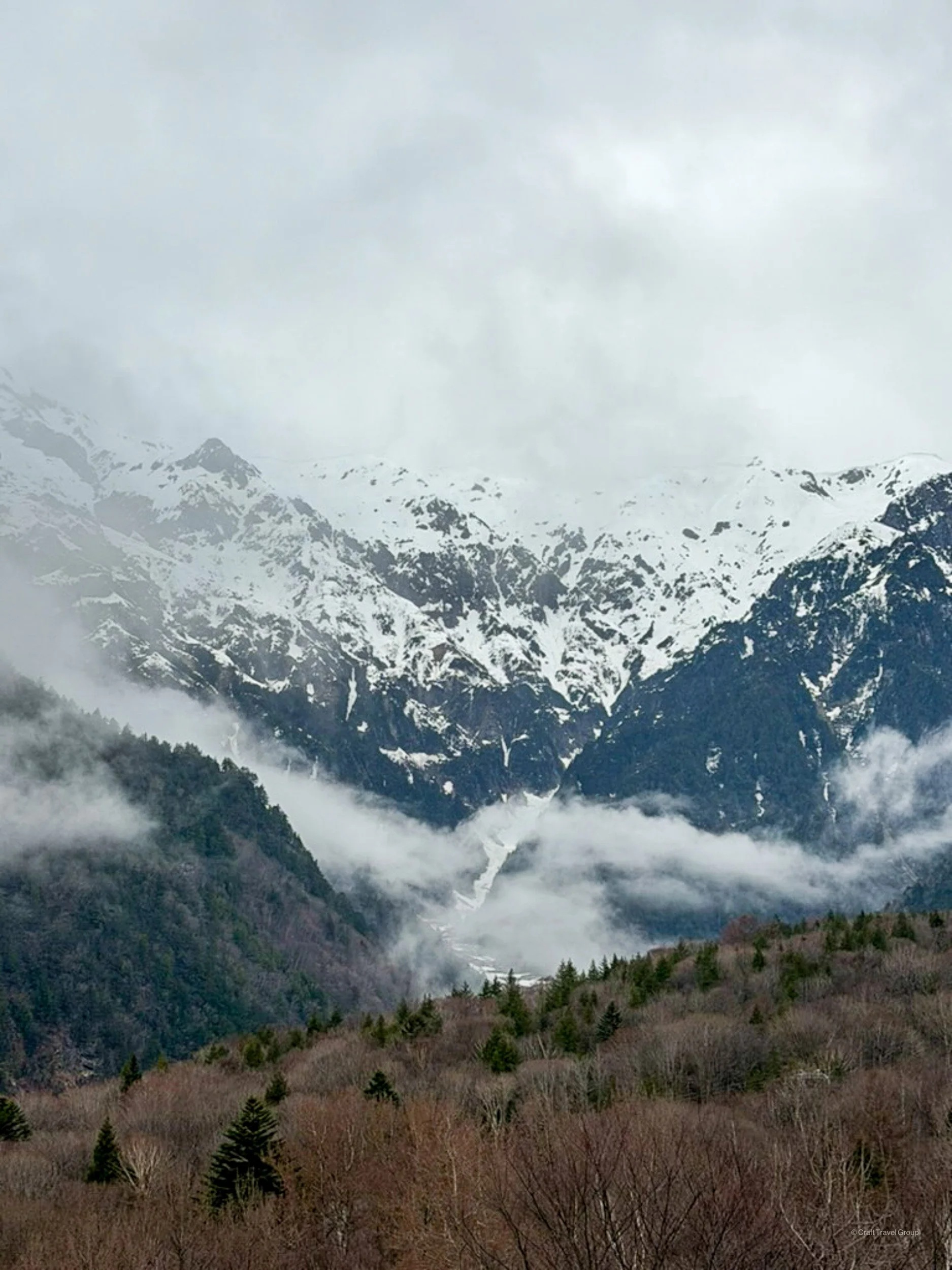
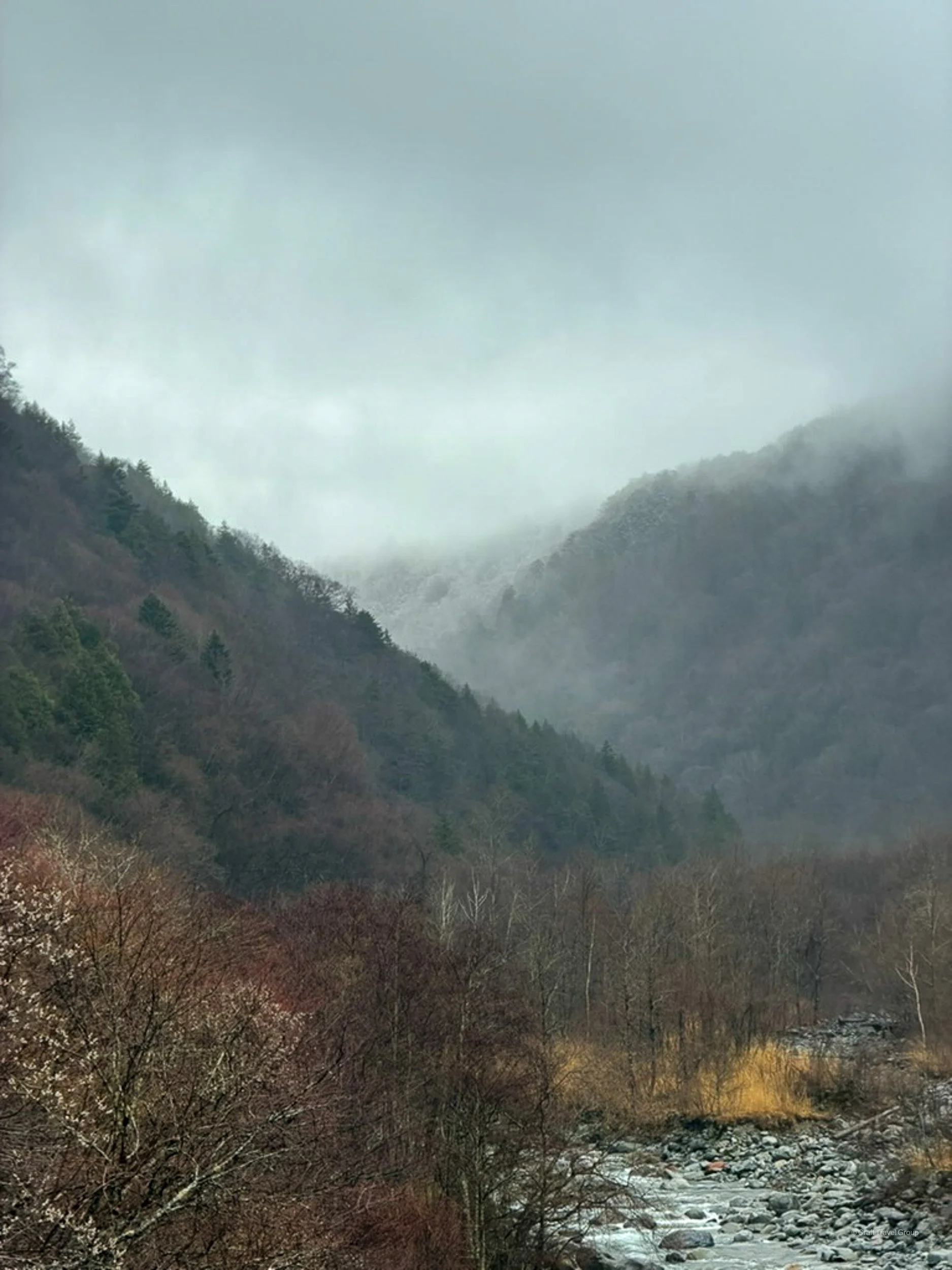
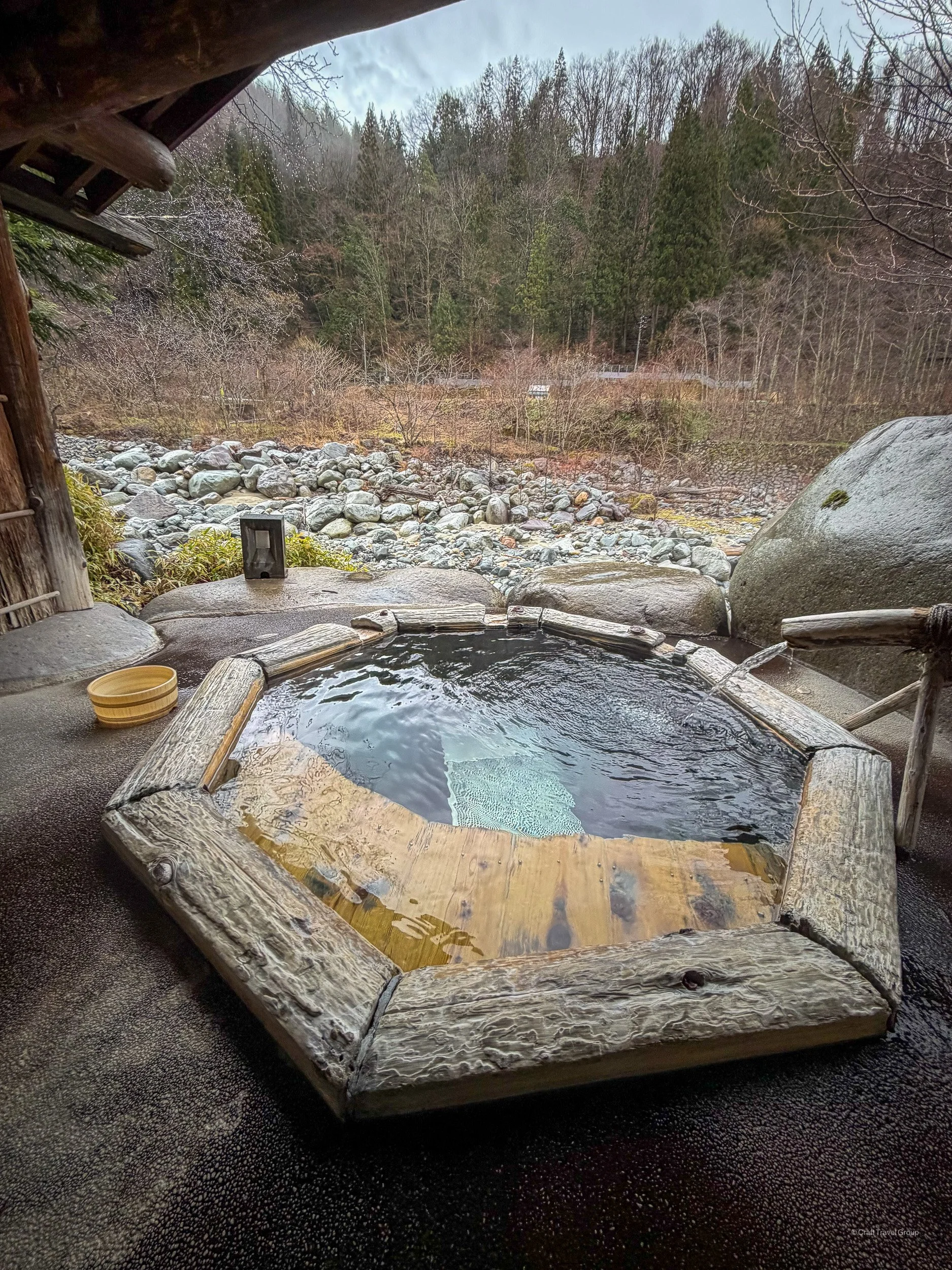
Situated in the Northern Japan Alps near Chubu Sangaku National Park, Okuhida is a collection of five small onsen villages spread across mountain valleys and home to one of Japan’s highest concentrations of open-air baths (rotenburo). The region is a gateway to some of Japan’s most spectacular outdoor adventures, with everything from gentle forest walks, to hikes in Kamikōchi to challenging alpine routes, including peaks in the Hotaka range. In warmer months (July through October), it becomes a hiking paradise, while winter and spring transform it into a snowy quiet retreat bustling with outdoor onsens set dramatically against river, forest, and mountain backdrops.
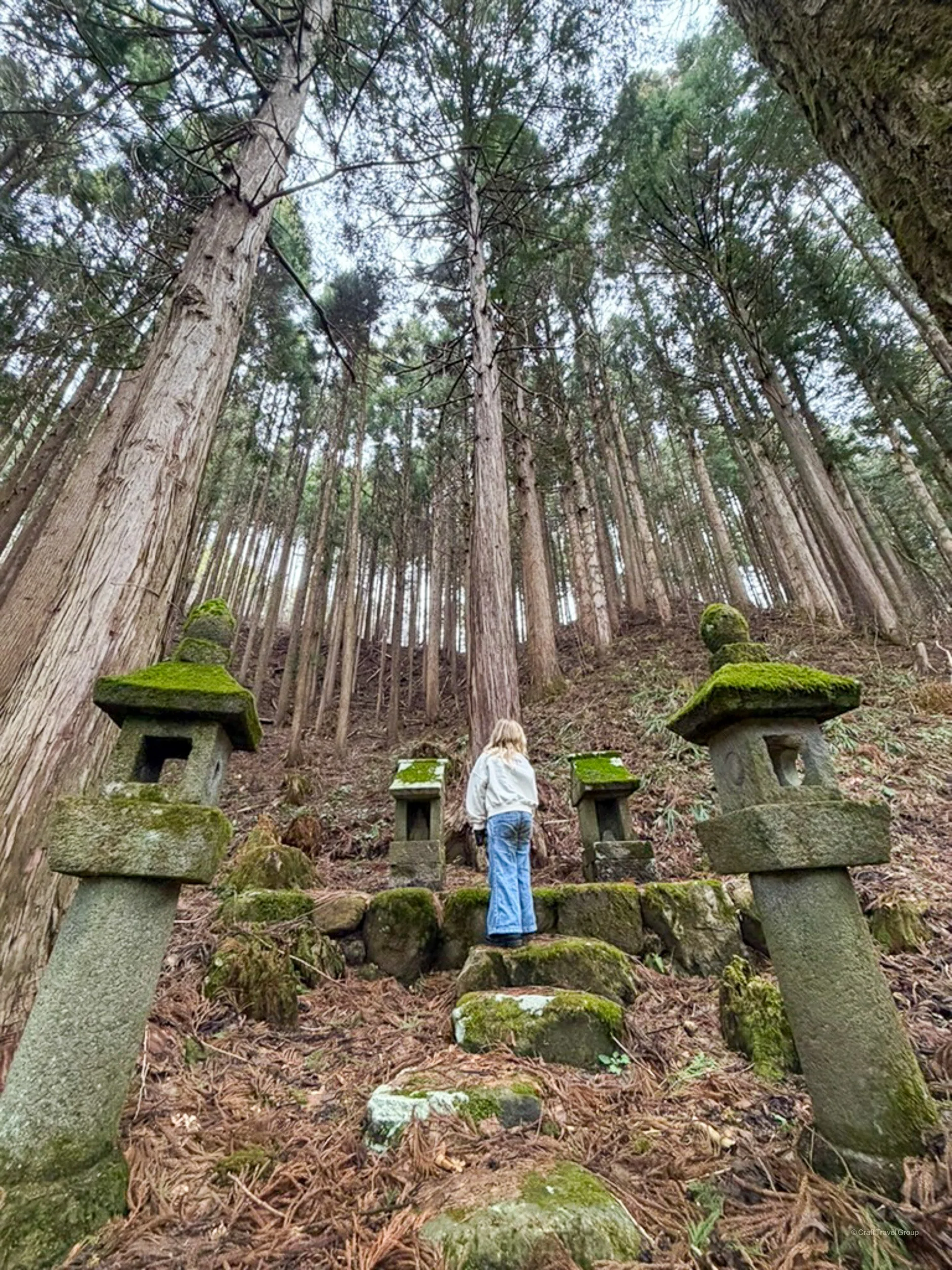
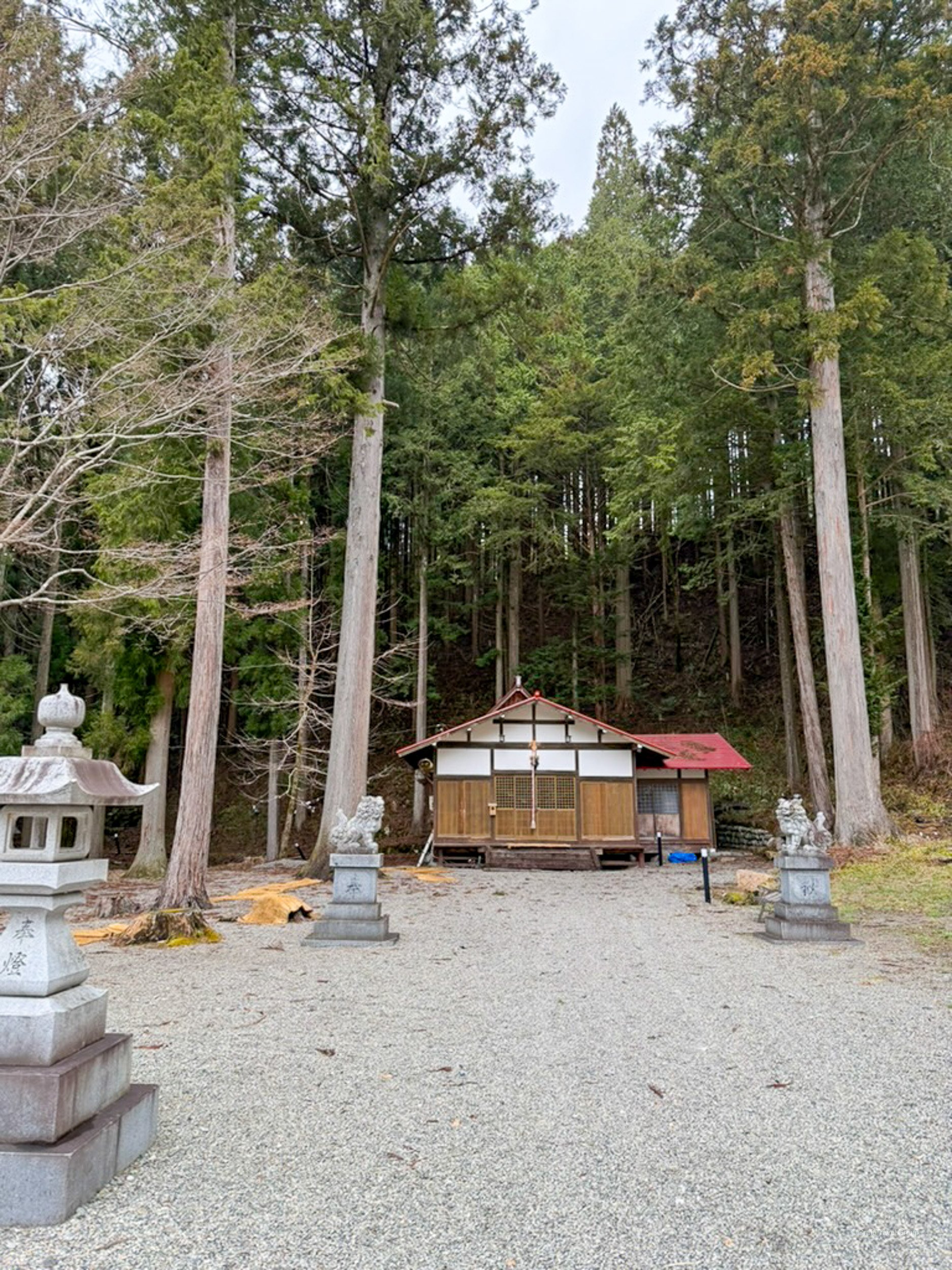
For us, Okuhida was the perfect place to slow down and experience the mountains at their most peaceful. With much of the region still transitioning into spring, we embraced the quiet rhythm of the region’s shoulder season: soaking in the ryokan, driving to the Kita Alps Ōhashi Bridge, playing in leftover snow (a novelty for a Florida kid) and visiting a small local shrine before returning to our stay at Yarimikan, where we spent most of our time simply unwinding in the baths and mountain air.
Where we Stayed in Okuhida
Yarimikan is listed by the Japan Association of Secluded Hot Spring Inns as one of the country’s hidden onsen retreats, recognized for its remote setting, rustic character, traditional onsen culture, and free-flowing natural hot spring water.
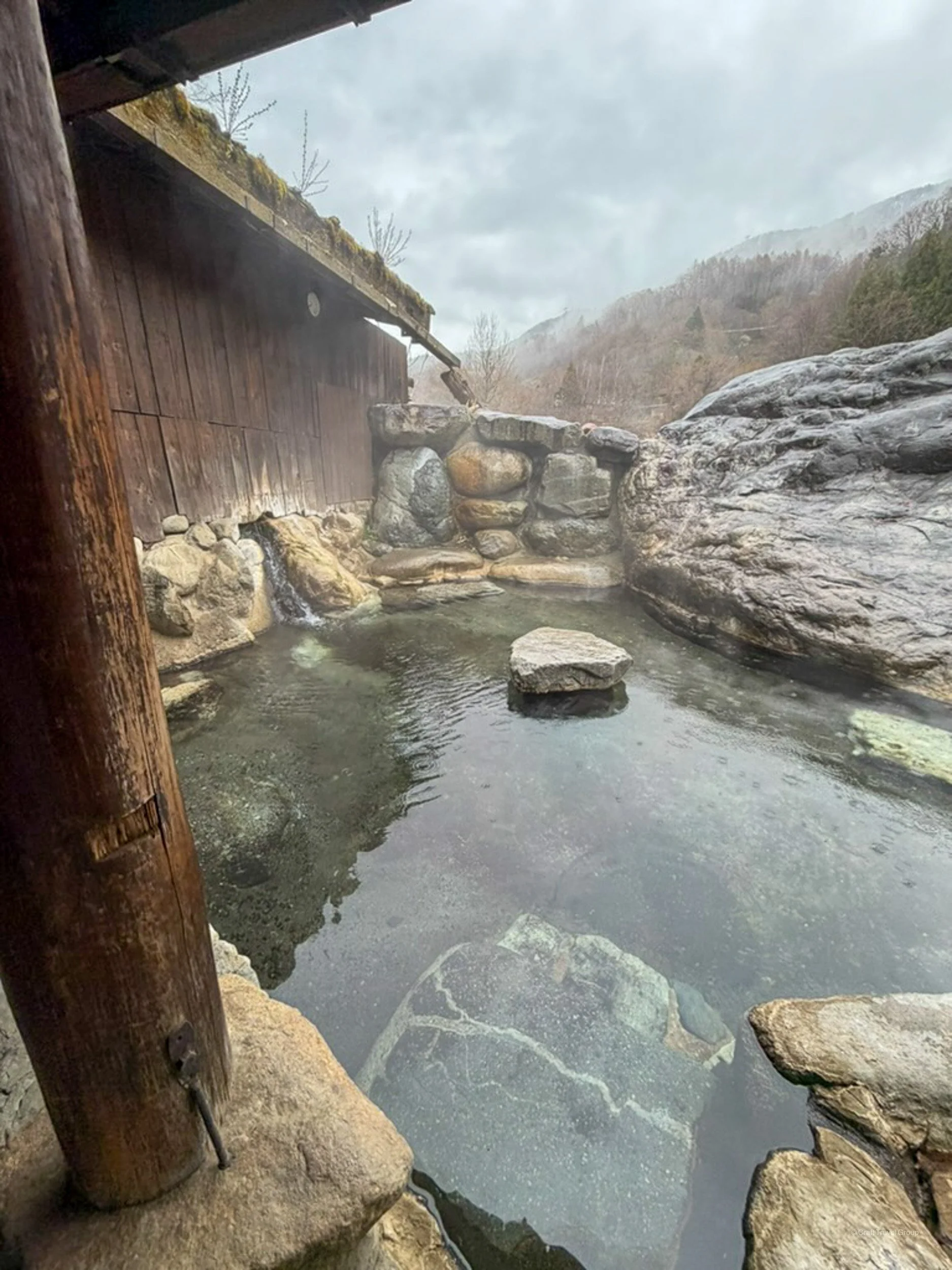
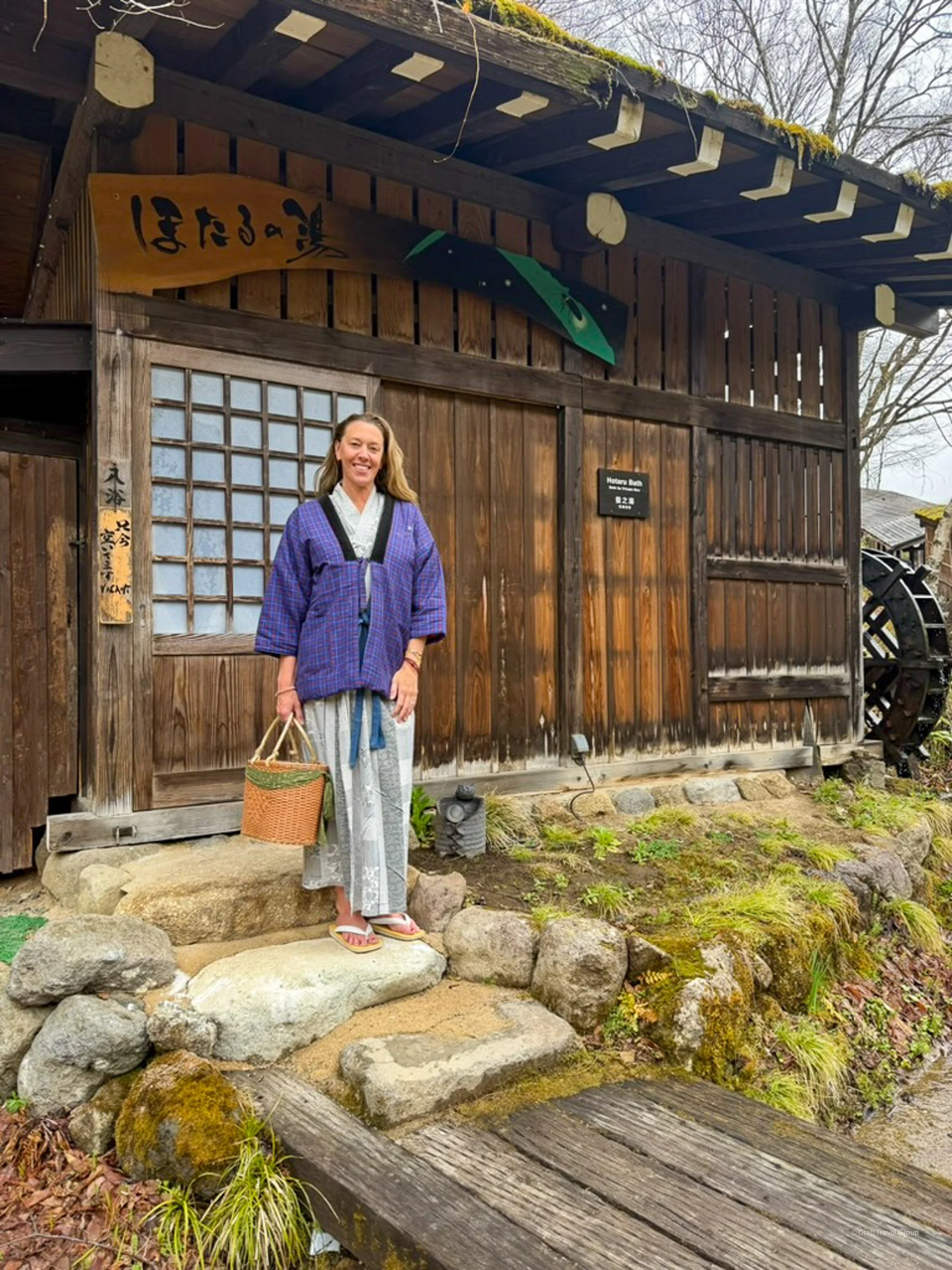
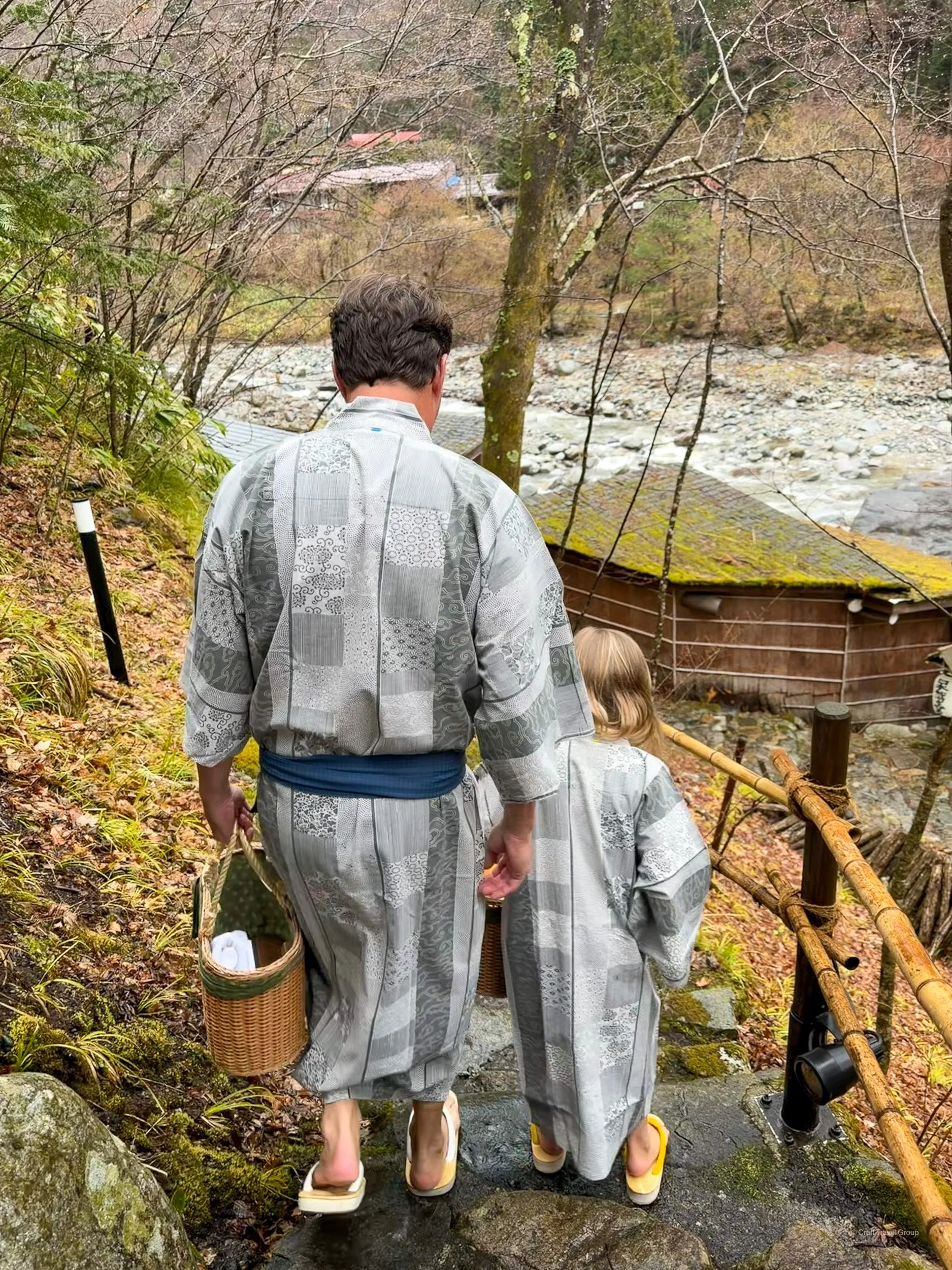
While the Inn itself is truly historic and therefore lacks some modern conveniences, Yarimikan is regarded as one of the most atmospheric and experiential ryokans in Okuhida thanks to its number of unique outdoor onsens on the rocky banks of the river. There are gender-separated baths, a mixed bath, and several private options, each one slightly different and “reserved” with a simple booking system, by turning the wooden tag on the door to indicate that it was in use.
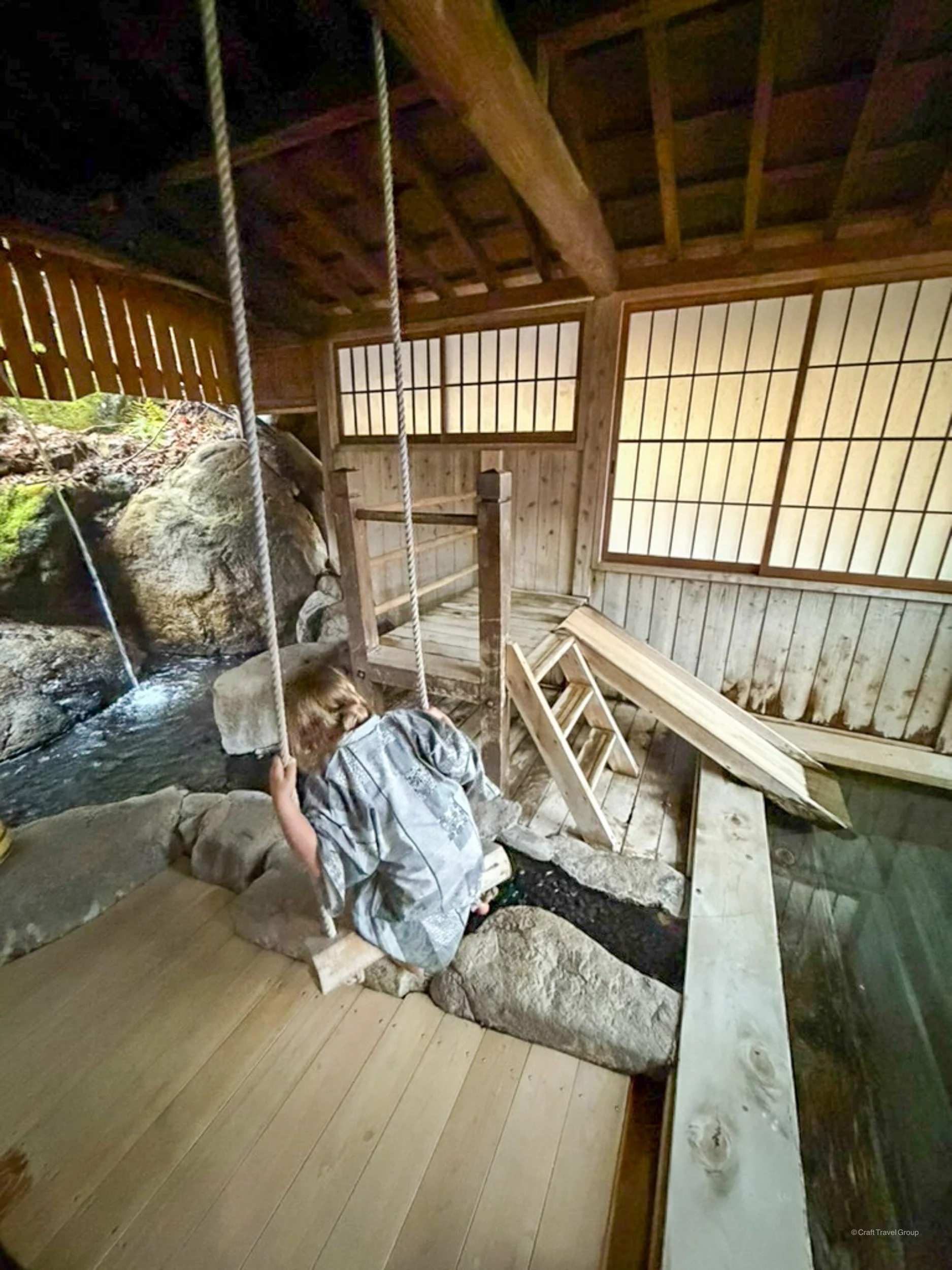
For us as a small family with a four-year-old, the private baths were perfect. Two sit right beside the river for the view, but our daughter’s favorite was one with a small children’s swing and slide (absolute genius, I could have hugged whoever designed this). She played for hours while we were actually able to soak and relax. That onsen was truly a highlight of our entire trip, and I know we will all have lasting memories of being there together.
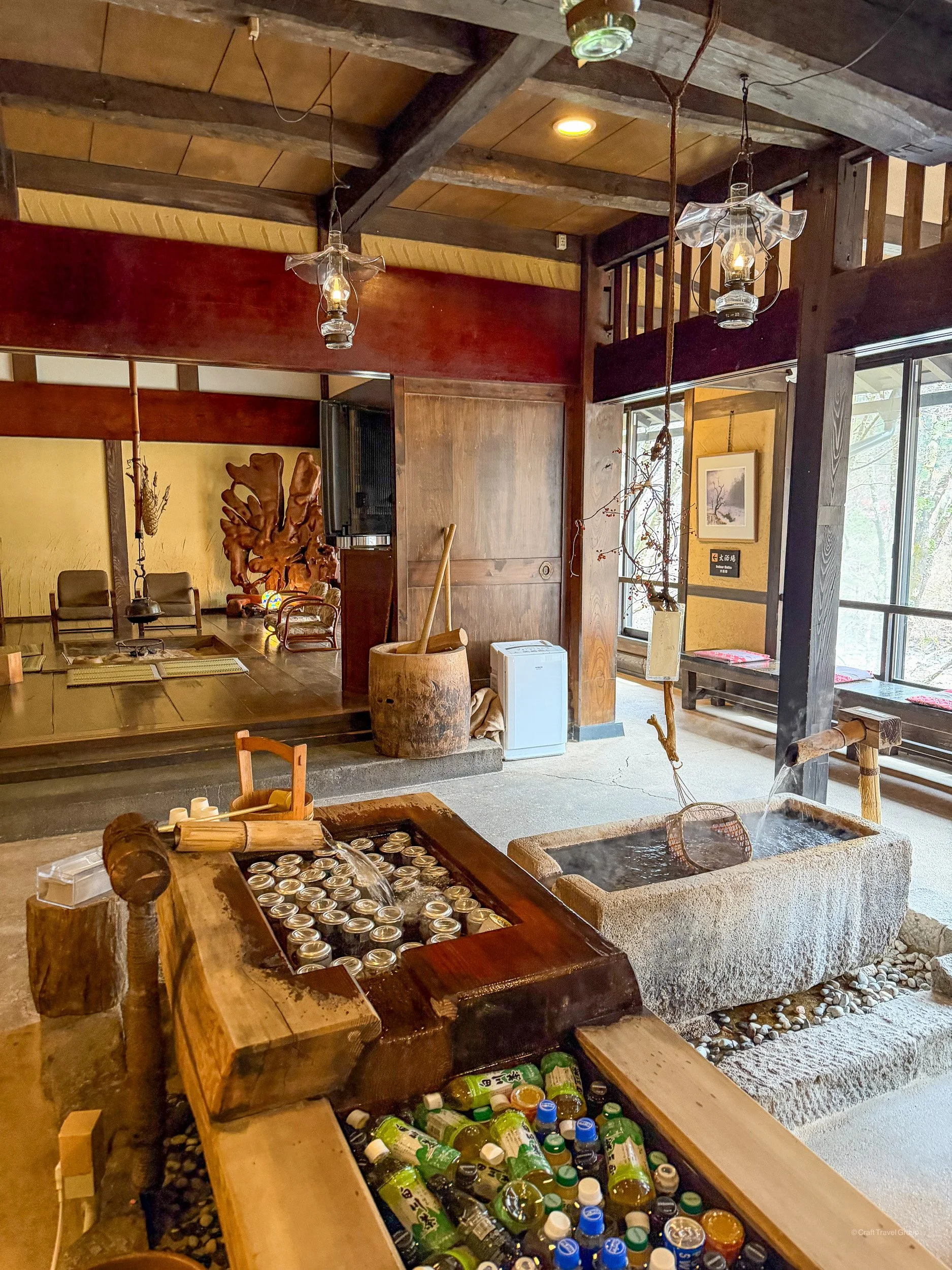
The inn dates back to the Edo period and was relocated here during the Meiji Restoration. In the reception area, there’s a traditional irori -an open sunken hearth with a hanging kettle- along with an eccentric setup of hollowed wooden logs running with hot and cold spring water. Drinks like beer, soda, and water float in the cold stream, while eggs slowly cook in the hot one. Bear and other animal pelts hang on the walls, and you immediately feel you’ve stepped into somewhere both traditional and completely singular.
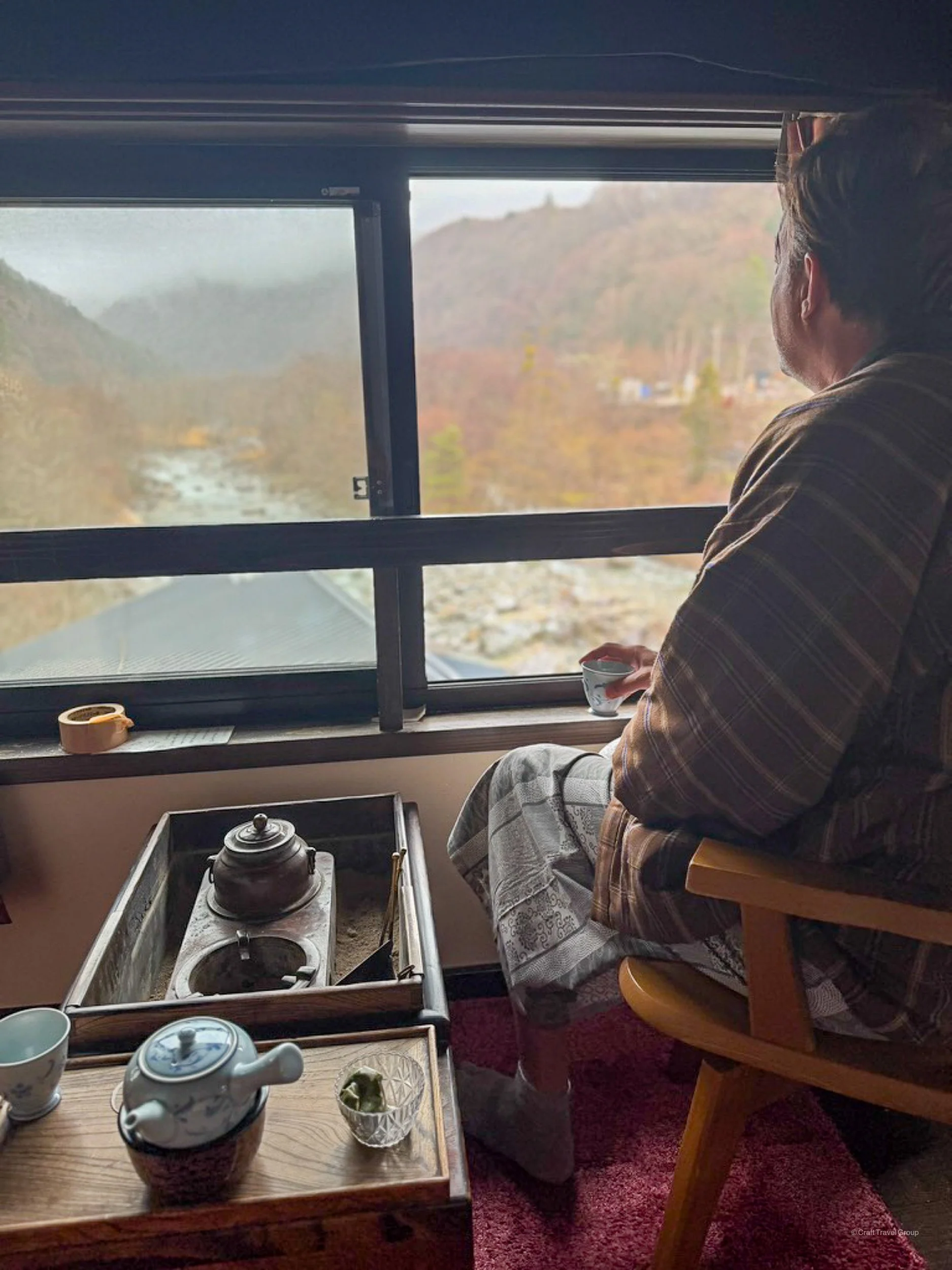
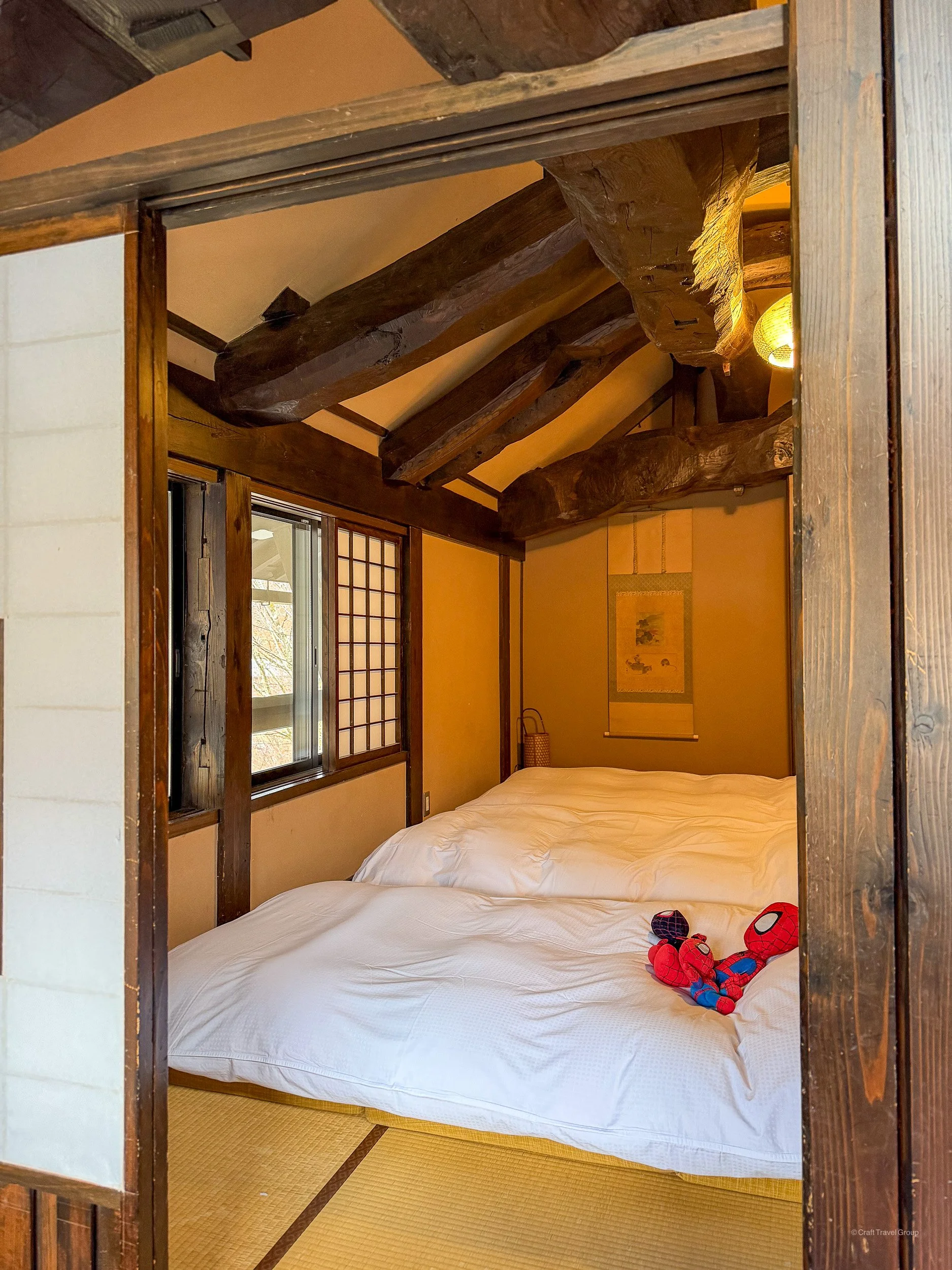
Our room was simple traditional ryokan style: tatami floors and futon bedding, with a modern toilet and sink but (much to my initial horror) no private bath or shower. With so many onsens on-site, it ended up not being too much of an issue for us. A small sitting area included a firebox for making your own fire and a kettle for tea. One of our favorite moments was sitting by the open window, looking down the river valley, watching snow fall over the mountains and listening to the river below.
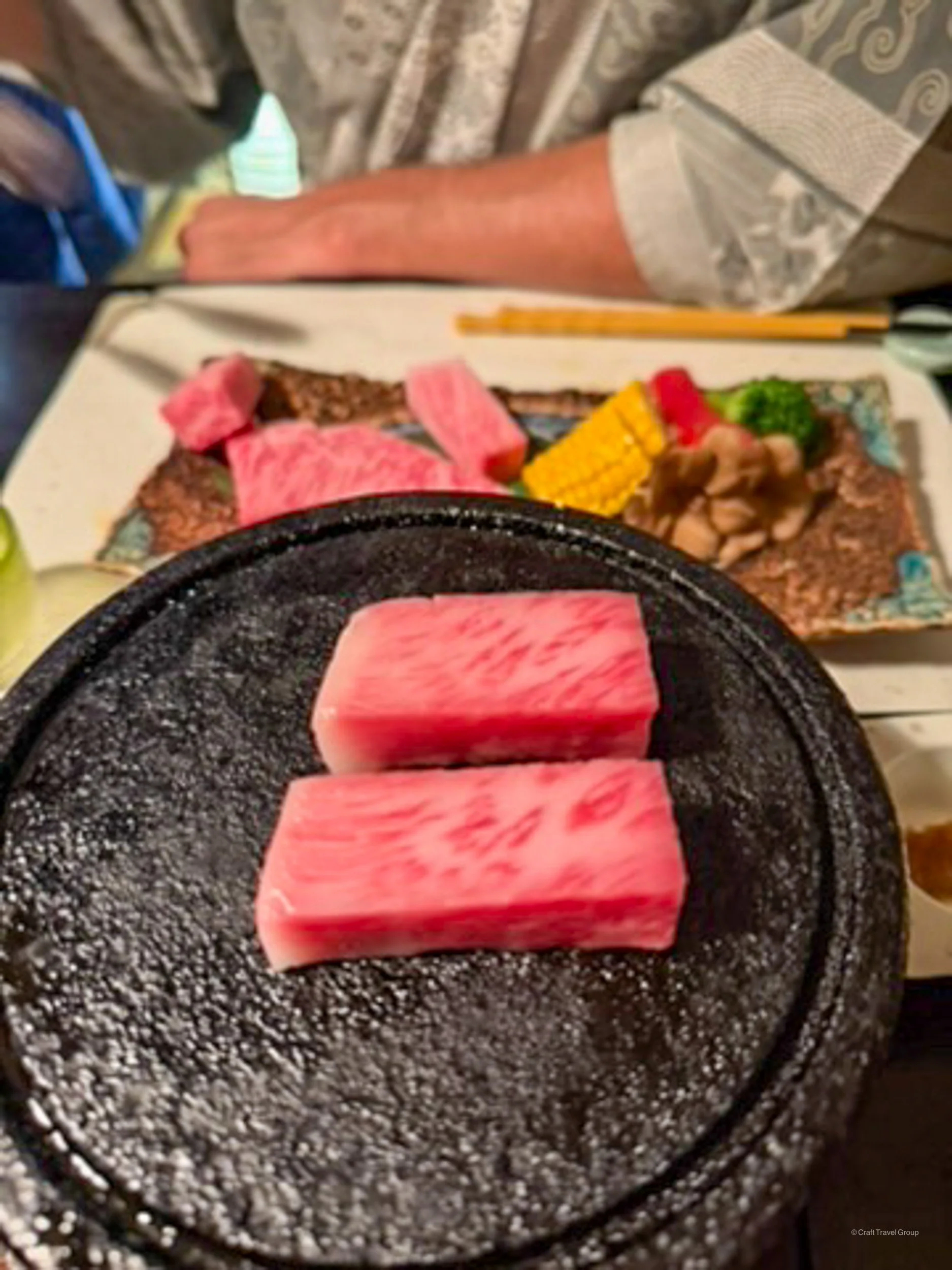
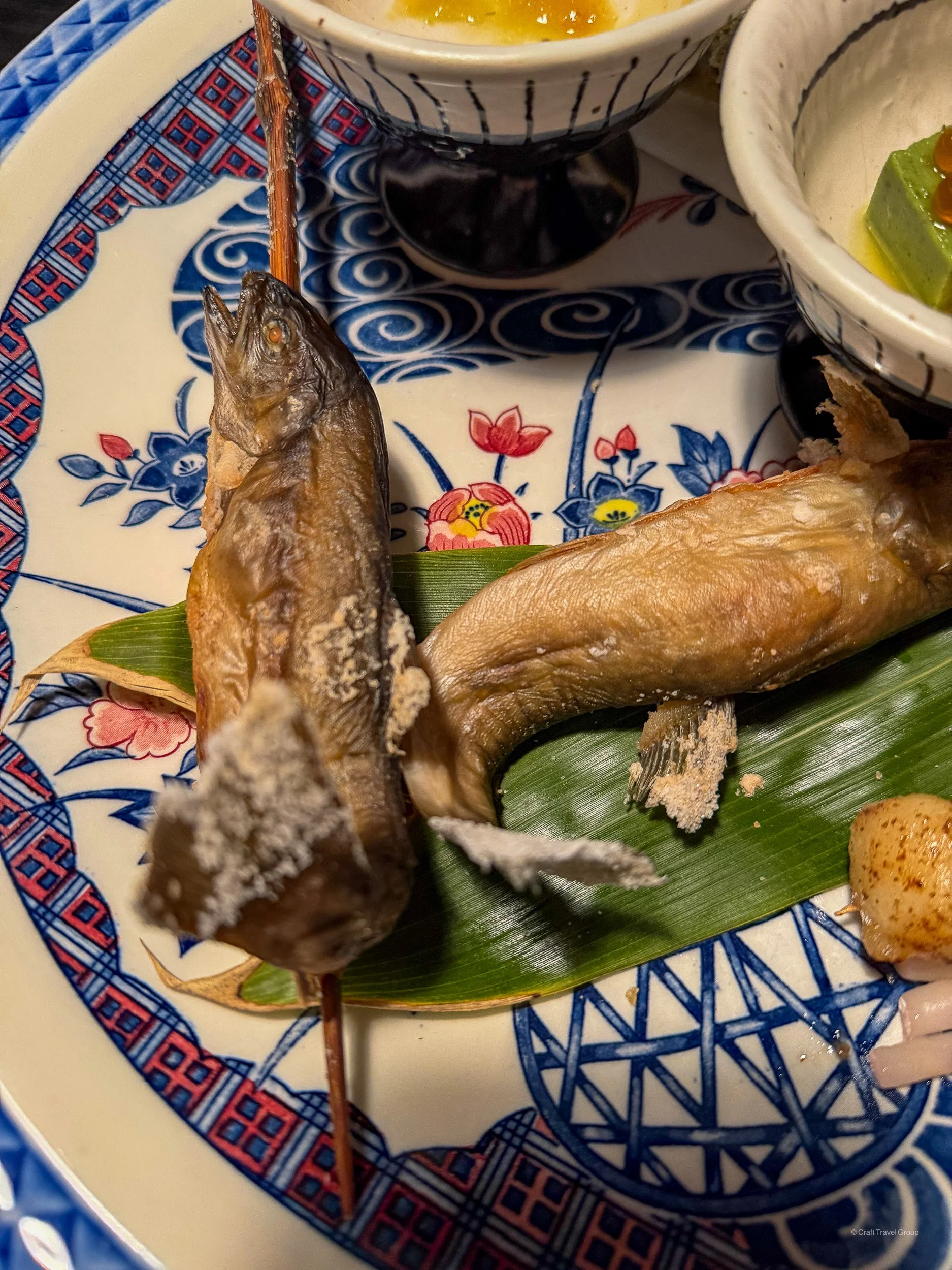
Our kaiseki meals were served in our private dining room with lots of traditional Japanese mountain foods, plus generous amounts of Hida Beef, the regional delicacy served as small filets which we cooked ourselves on a Konro grill. We were also served fried puffer fish, a rather bold choice given we were in the middle of the mountains - happy to report Dave ate it (loved it) and survived.
Every morning they have an interactive mochi pounding demonstration which is simple, charming, spoken only in Japanese, and very much in keeping with the inn’s quirky spirit.
Yarimikan is definitely not luxurious; in fact, quite the opposite. I dare to even call it “nice”. I hesitated to even share it here because, truthfully, for 95% of my clients I wouldn’t recommend it. There are far more polished, high-end ryokans in Japan. That said, I believe that for the right traveler it could be memorable. We’ve stayed at some truly incredible five-star properties around the world, yet Dave declared Yarimikan his favorite place we’ve traveled to. (granted he’s also the type of person who wants to live in a log cabin in the woods, plant trees while also driving his Porsche 911). I’ve spent a lot of time trying to reconcile that feeling. On paper, it isn’t a place that neatly fits into the world of “Craft Traveler” recommendations. And yet I can’t stop thinking about it: its quirky uniqueness, its setting, the memories it left. What stayed with me wasn’t luxury, but character.
In a travel landscape where accommodations can sometimes blur into sameness, where a “sense of place” might feel more manufactured than innate, Yarimikan felt refreshingly, unapologetically itself. Its charm was simply a natural byproduct of where it exists and its unique guest experience offering. And maybe that’s what made it feel so memorable. There was something deeply restorative about being there, not because there was so much to do, but because there wasn’t. It made being fully present feel effortless and as a family with a young child, that is a luxury unto itself. Every longer trip needs at least one pause built into it, in my opinion. A few days where the goal isn’t to see or do more, but simply to settle into a place, rest, and absorb it. Yarimikan reminded me of the value of that kind of travel.
Kiso Valley: Walking the Samurai’s Nakasendō Trail
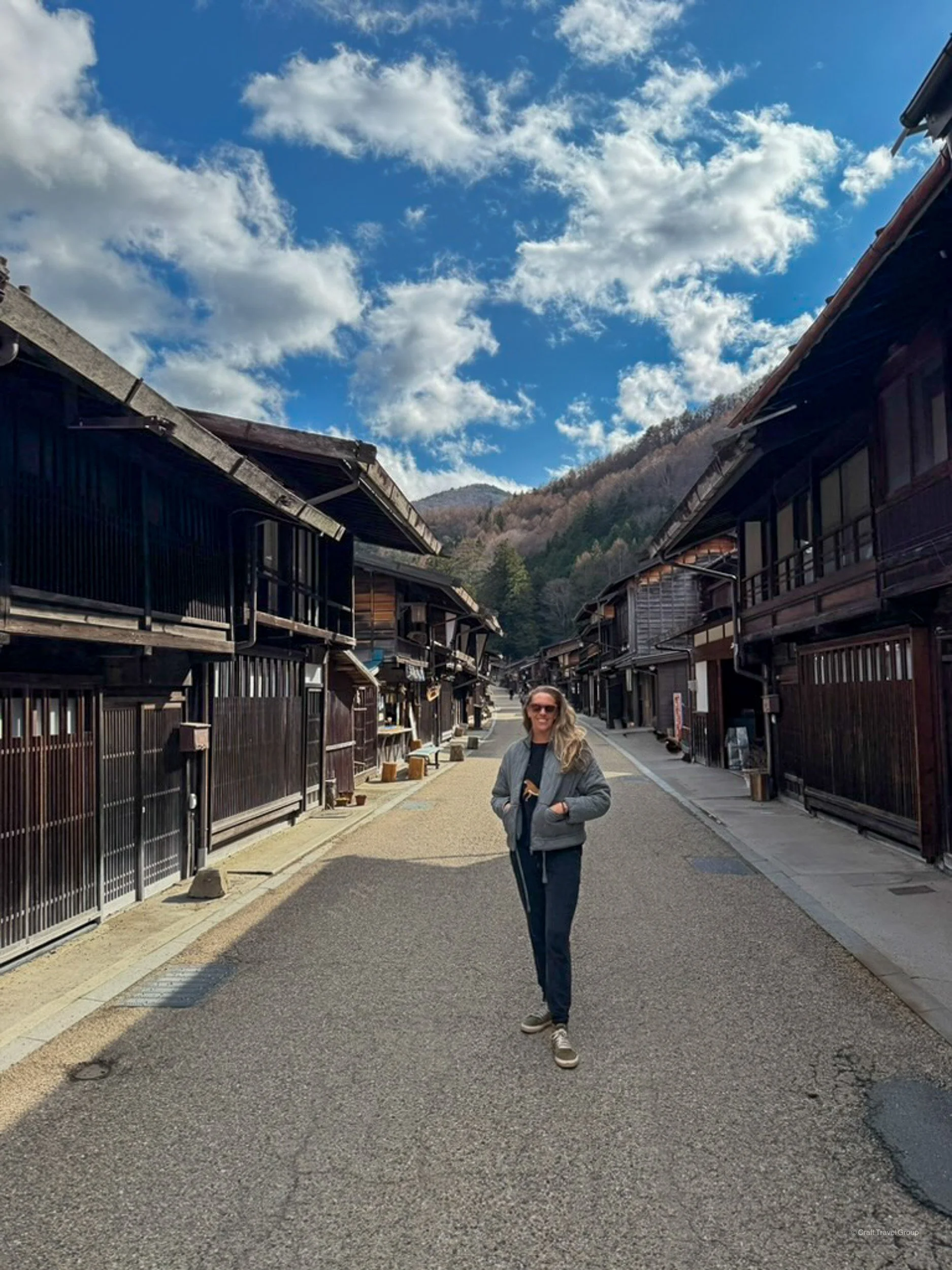
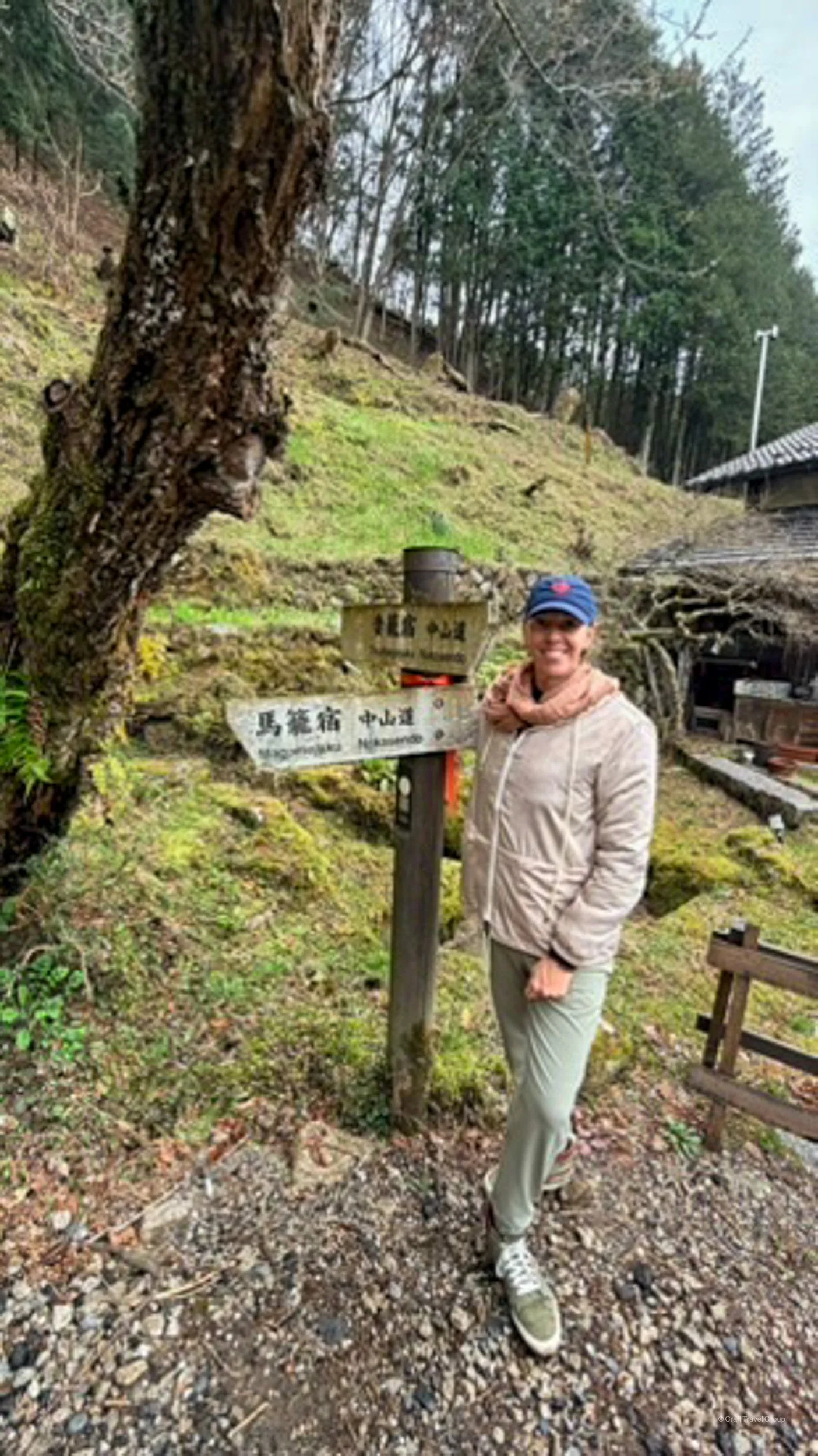
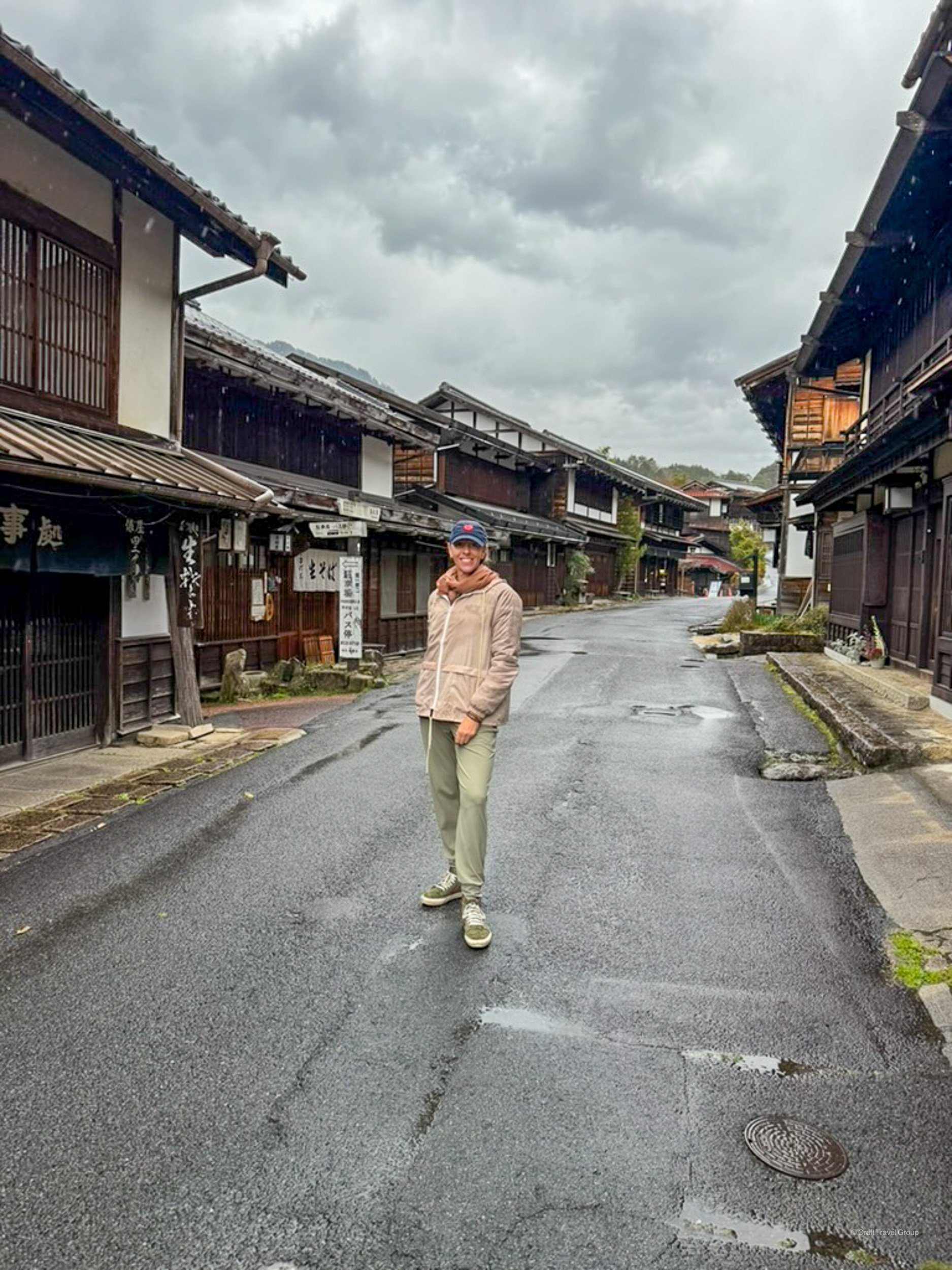
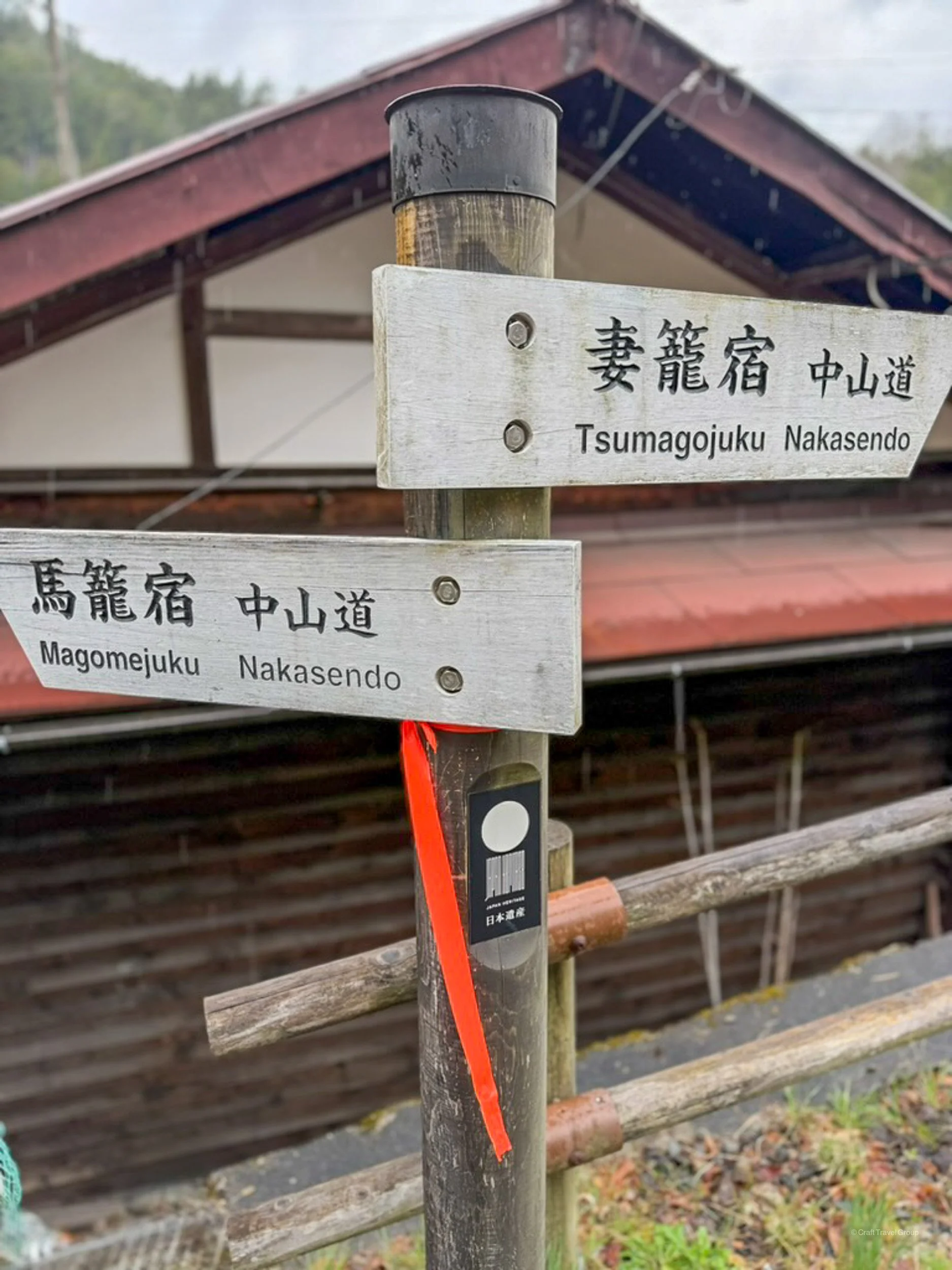
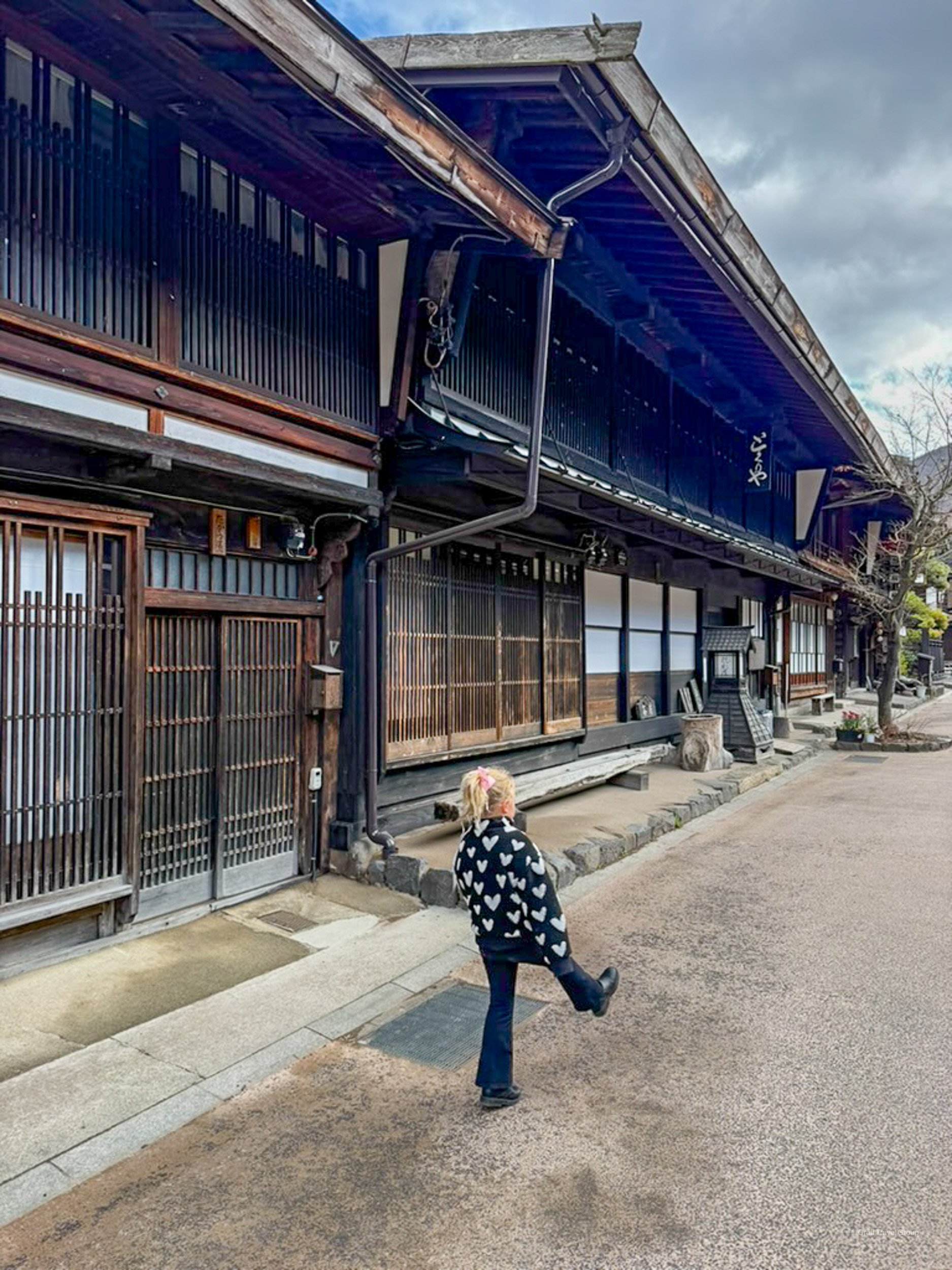
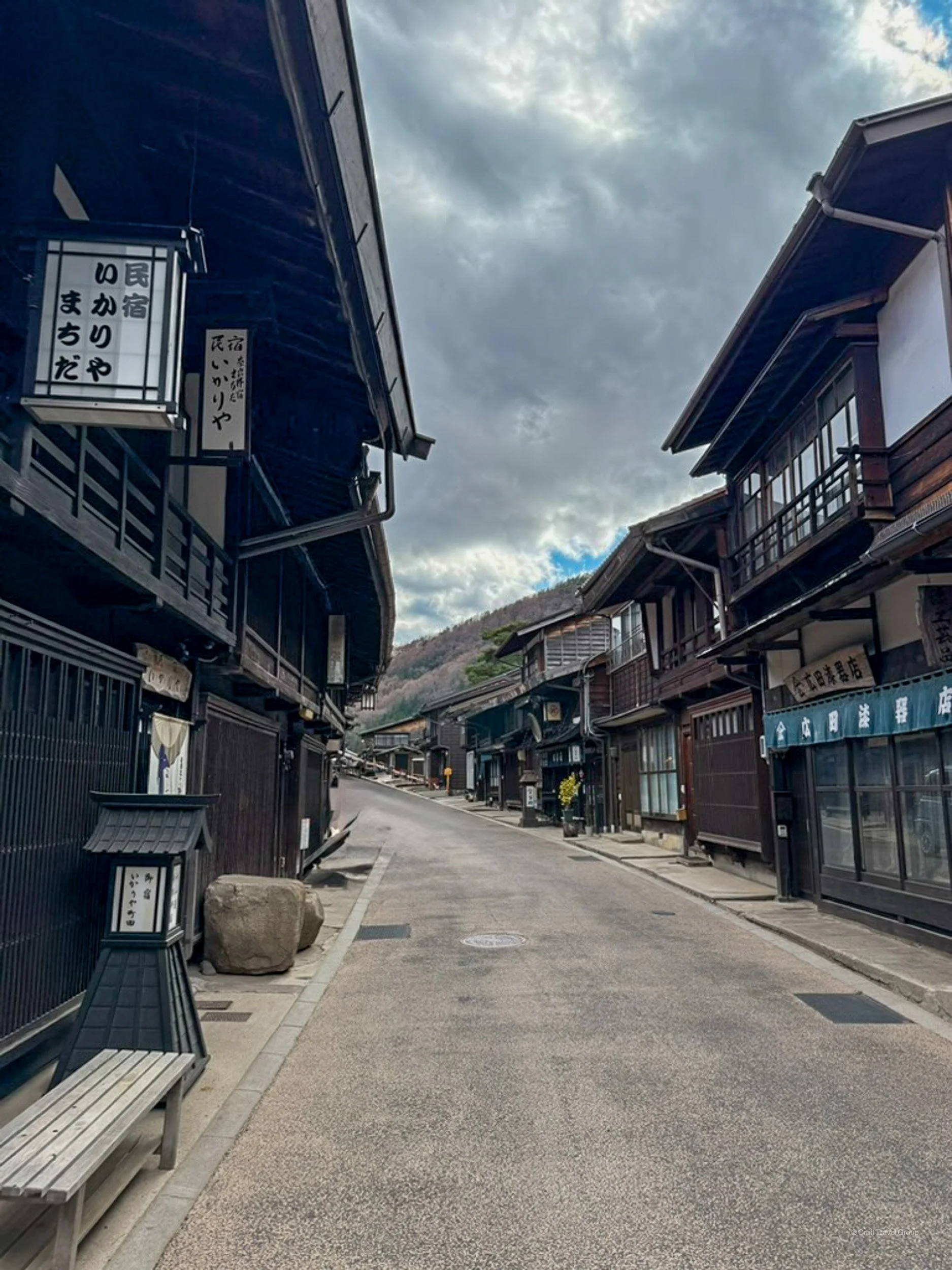
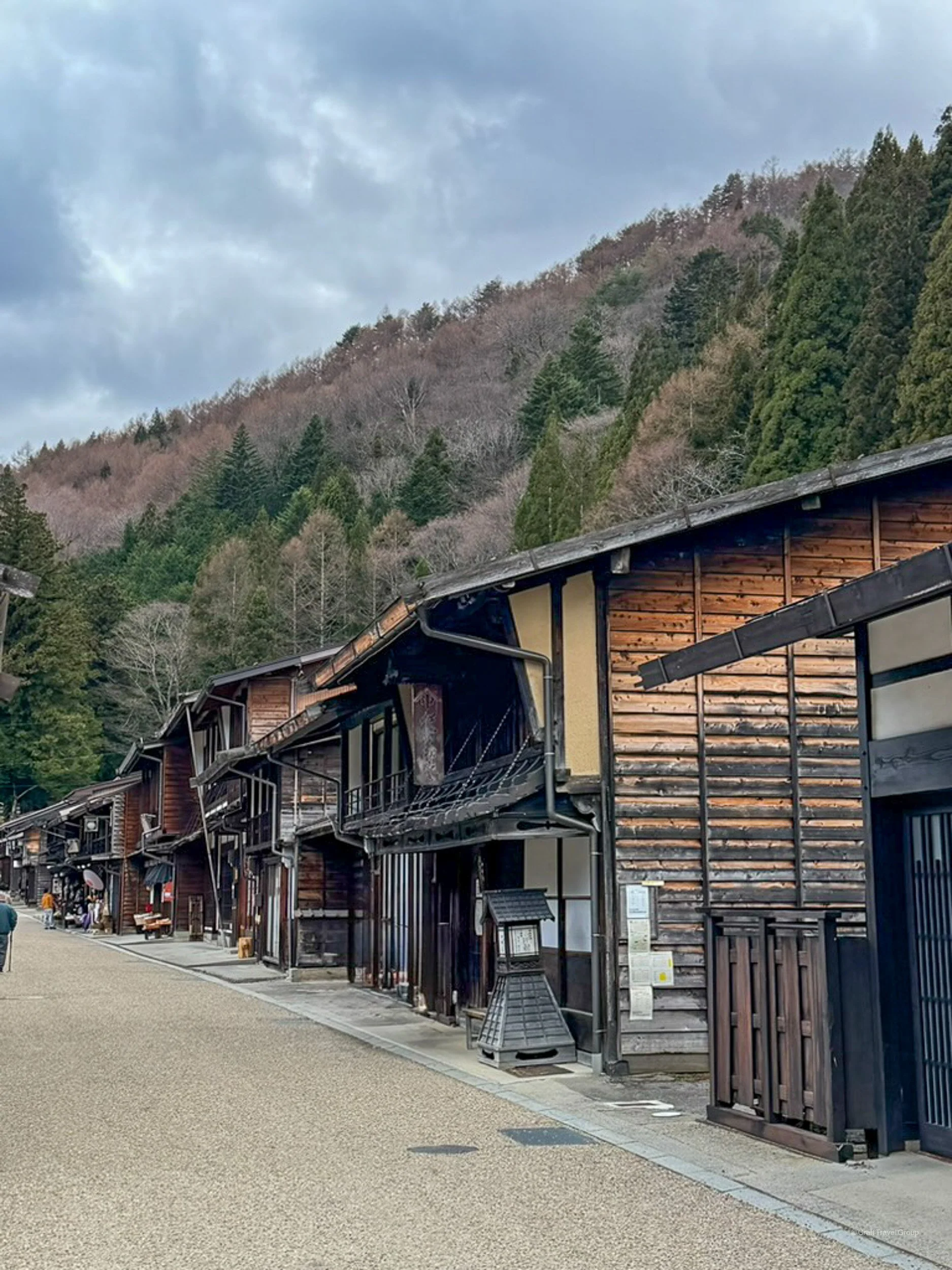
From Okuhida, we drove south to the Kiso Valley and the Nakasendō Trail. Built over 400 years ago, the Nakasendō once connected Kyoto and Edo (modern-day Tokyo), serving as a route for samurai and merchants traveling between the two cities. While much of the original trail has disappeared, several sections remain beautifully preserved, along with historic post towns that feel frozen in time.
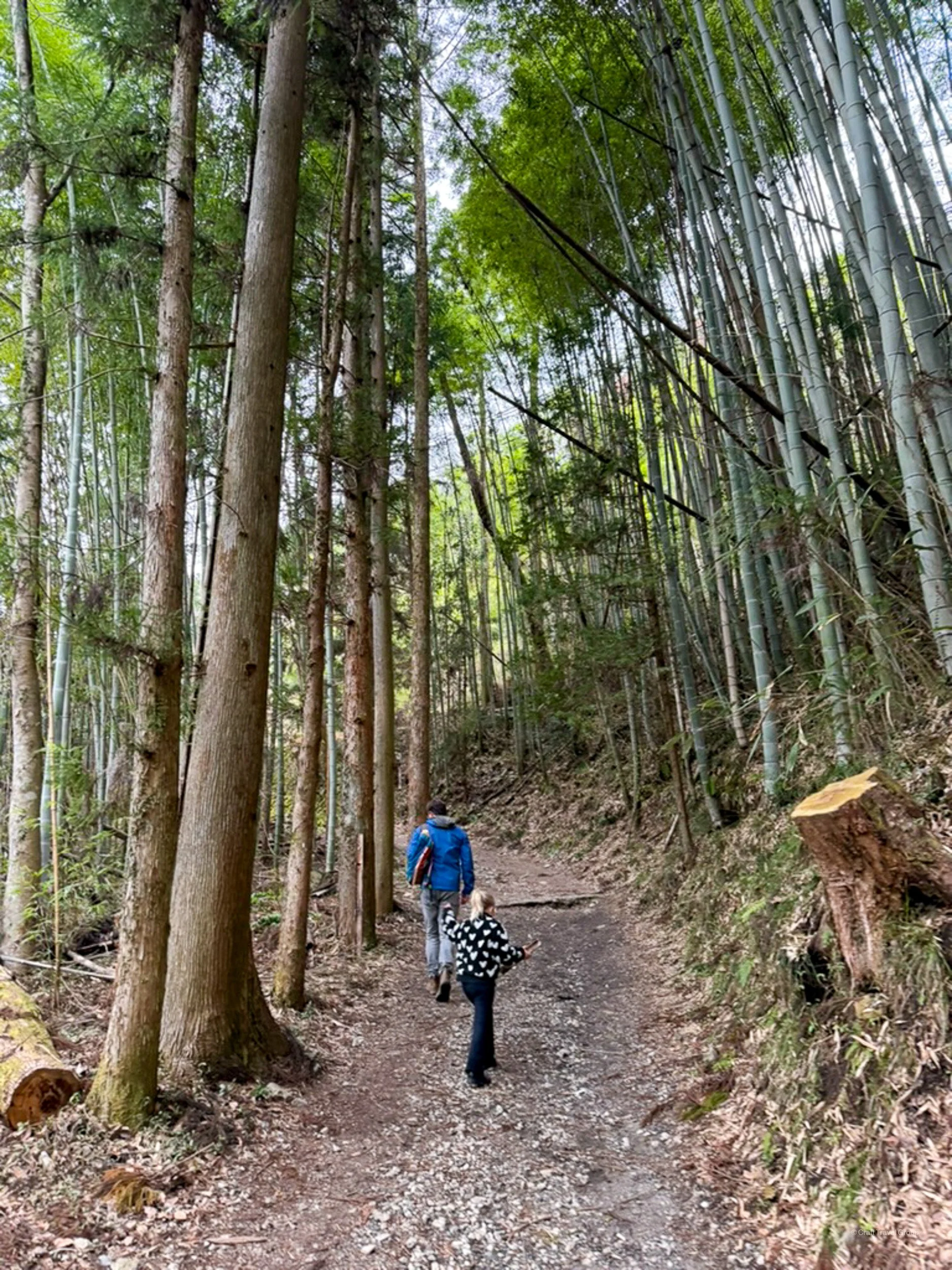
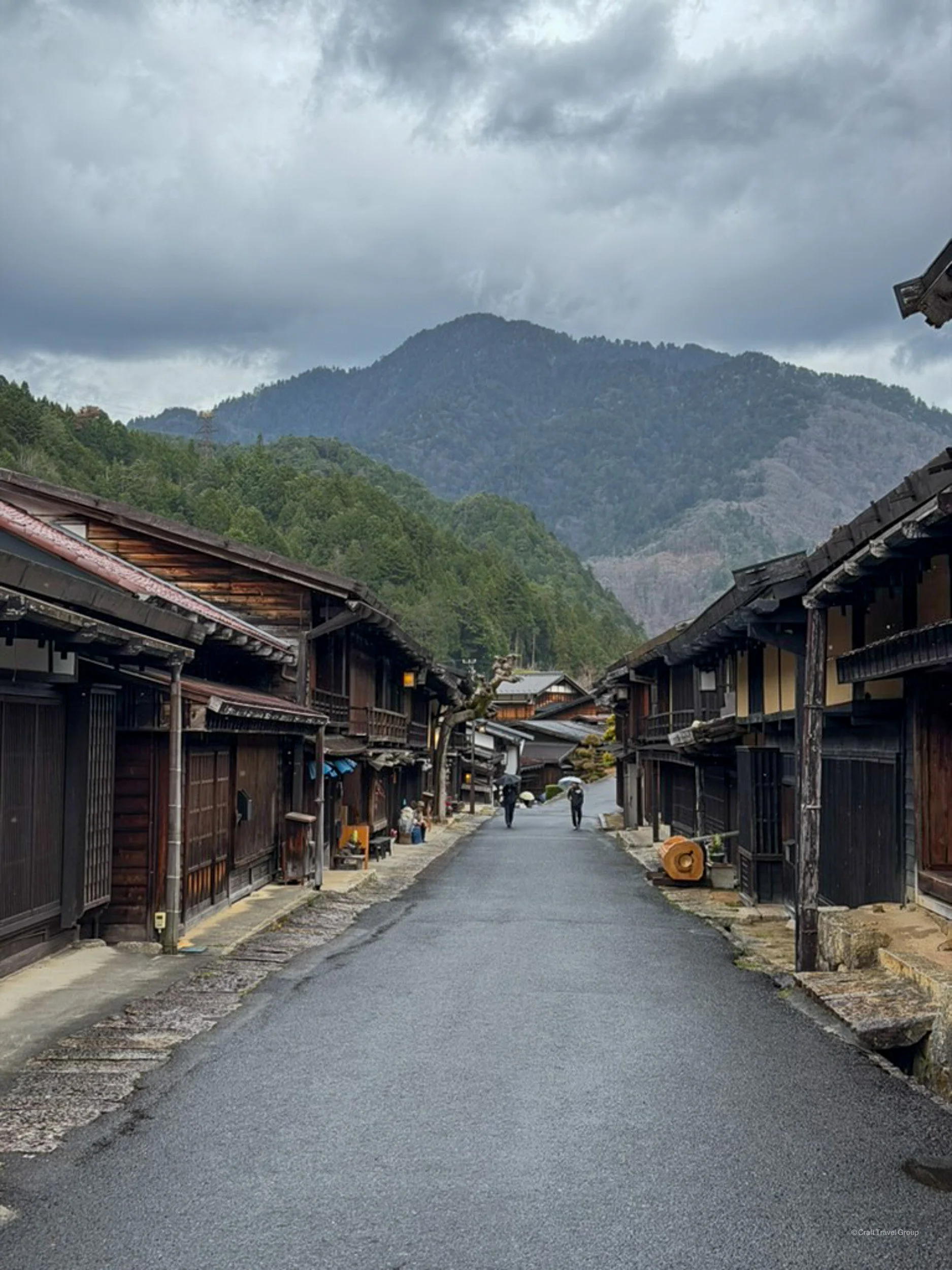
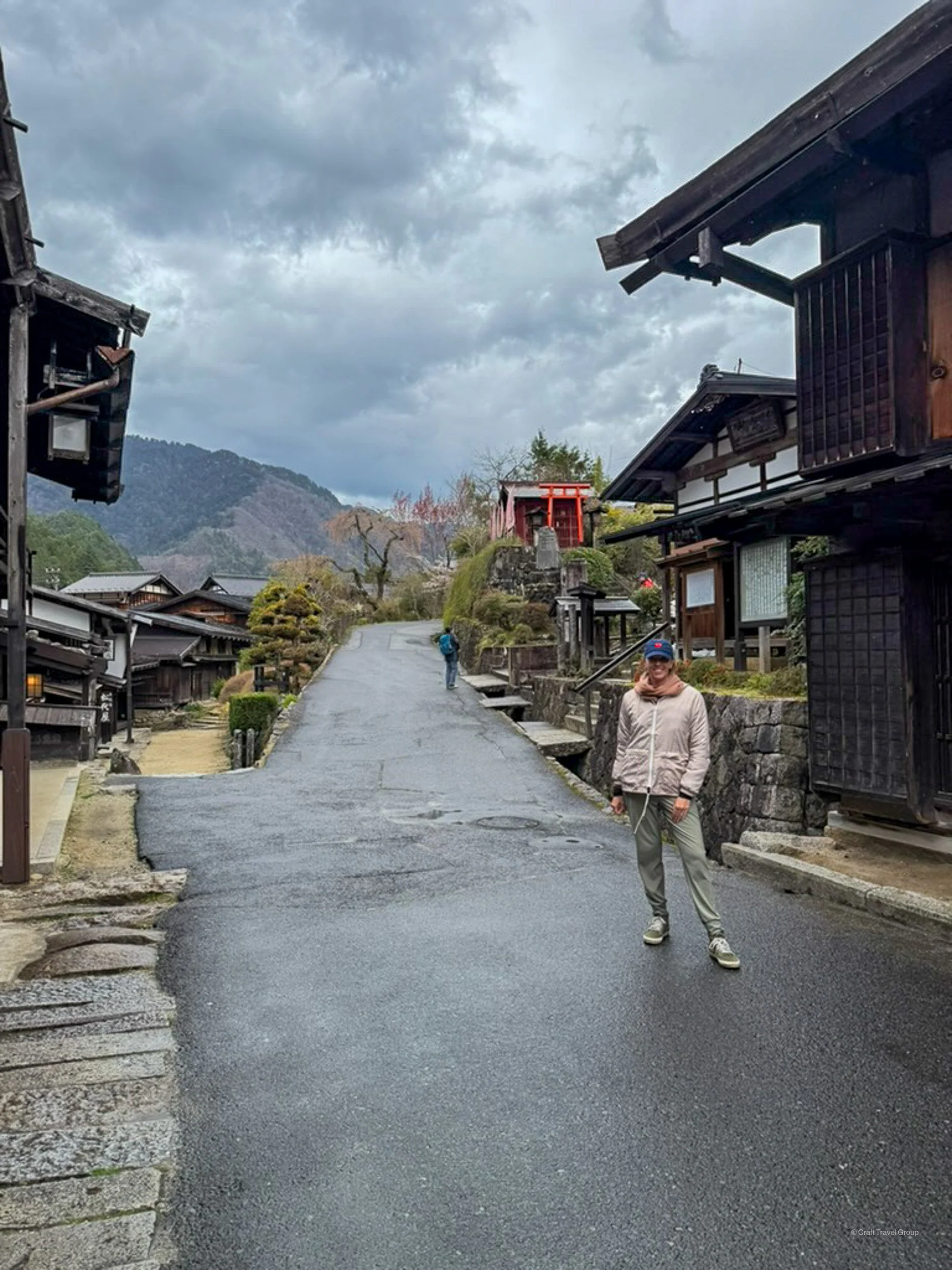
The 8km stretch between Tsumago and Magome is one of the most scenic and accessible sections; it’s an easy 3-4 hour walk through forested mountain paths, waterfalls, rivers, and quiet rural villages. Despite how beautifully preserved it is, Tsumago still feels genuinely lived in. It was my favorite village we visited on the trip. Hikers along the Trail stop here for lunch and snacks, which reminded me a bit of the small towns along the Appalachian Trail.
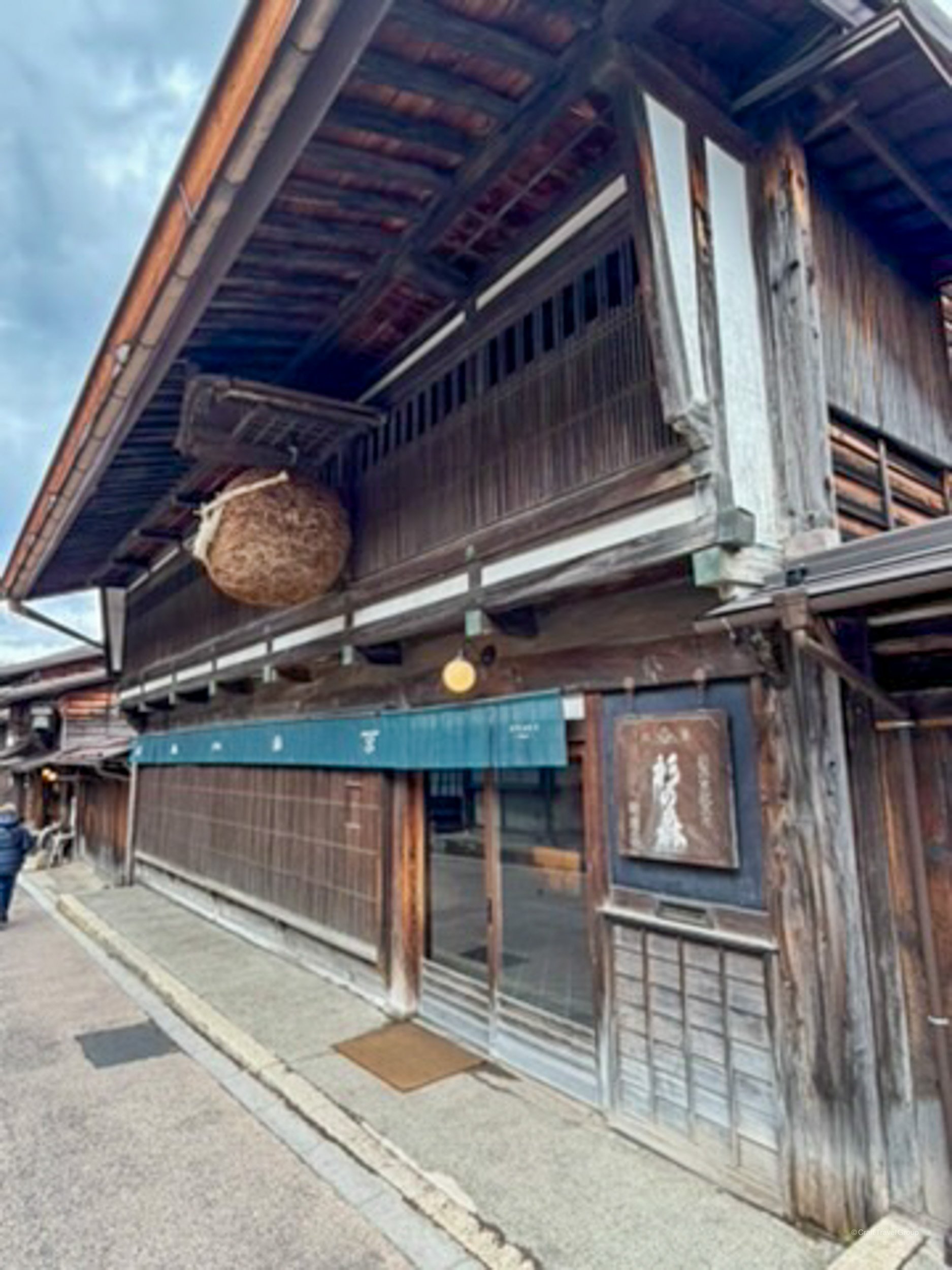
For more avid walkers, it’s possible to spend 3-5 days (or longer) hiking the Nakasendō and visiting other post towns like Narai-juku. Located at the base of the steep Torii Pass, the highest point on the trail, Narai-juku became one of the wealthiest and longest post towns, earning the nickname “Narai of a Thousand Houses.” For those wanting to stay along the trail, Byaku in Narai is a great option. The inn is spread across four restored historic buildings, including a former sake brewery dating to 1793, a lacquerware shop, and traditional townhouses.
Hiking the Nakasendō with our 4-year-old ended up being a shorter adventure than planned. About 15 minutes in, we stopped to build a fairy house in the woods, something to be repeated every 20 minutes and therefore never quite made it very far. We enjoyed a fabulous full bloom cherry tree, found some giant bullfrogs in a pond, and noticed every little thing along the way. Even so, I’d still recommend visiting Tsumago or Magome with kids. Even a short walk on the trail is enough to experience the beauty of the area.
Where we Stayed in the Kiso Valley
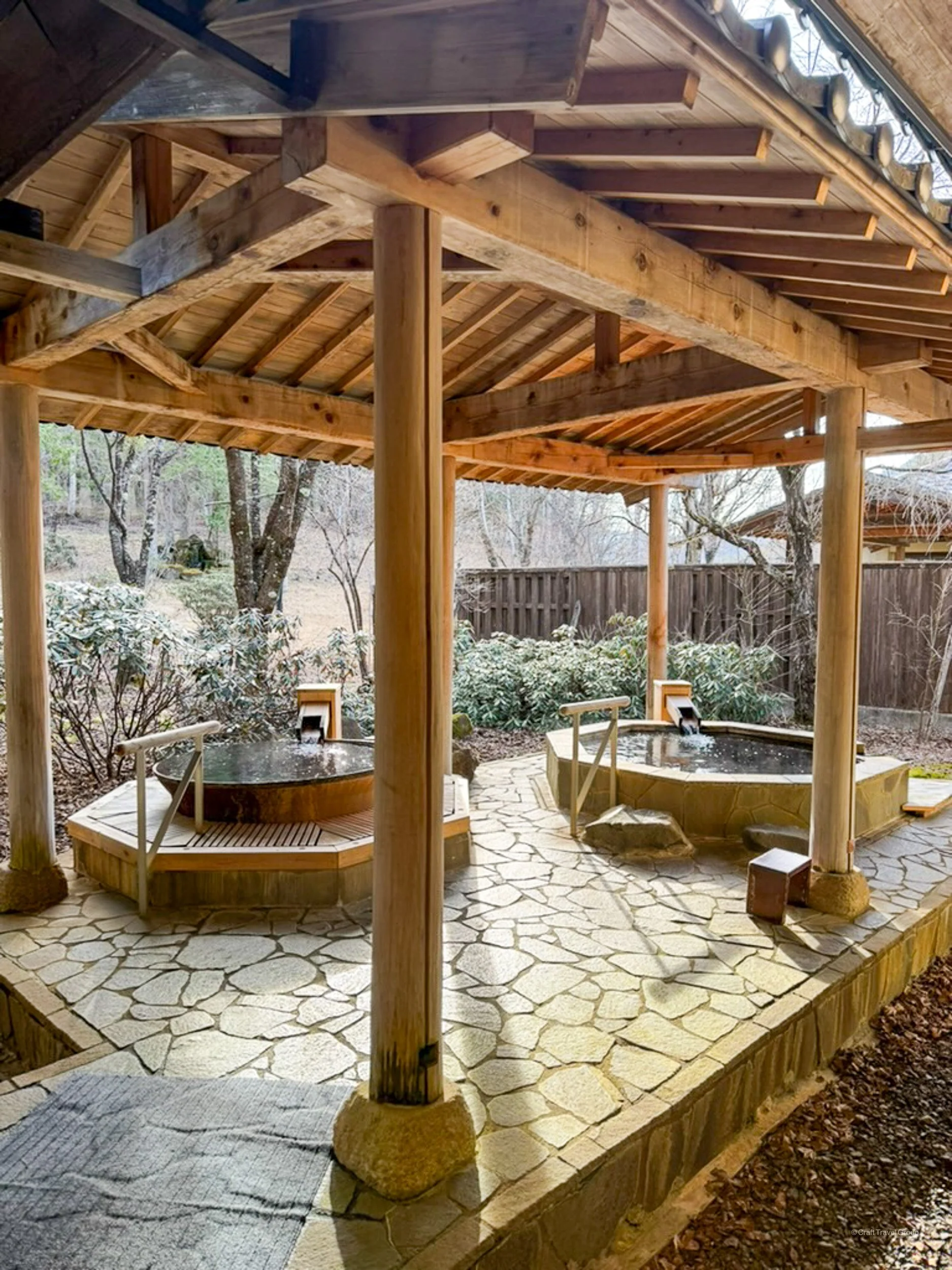
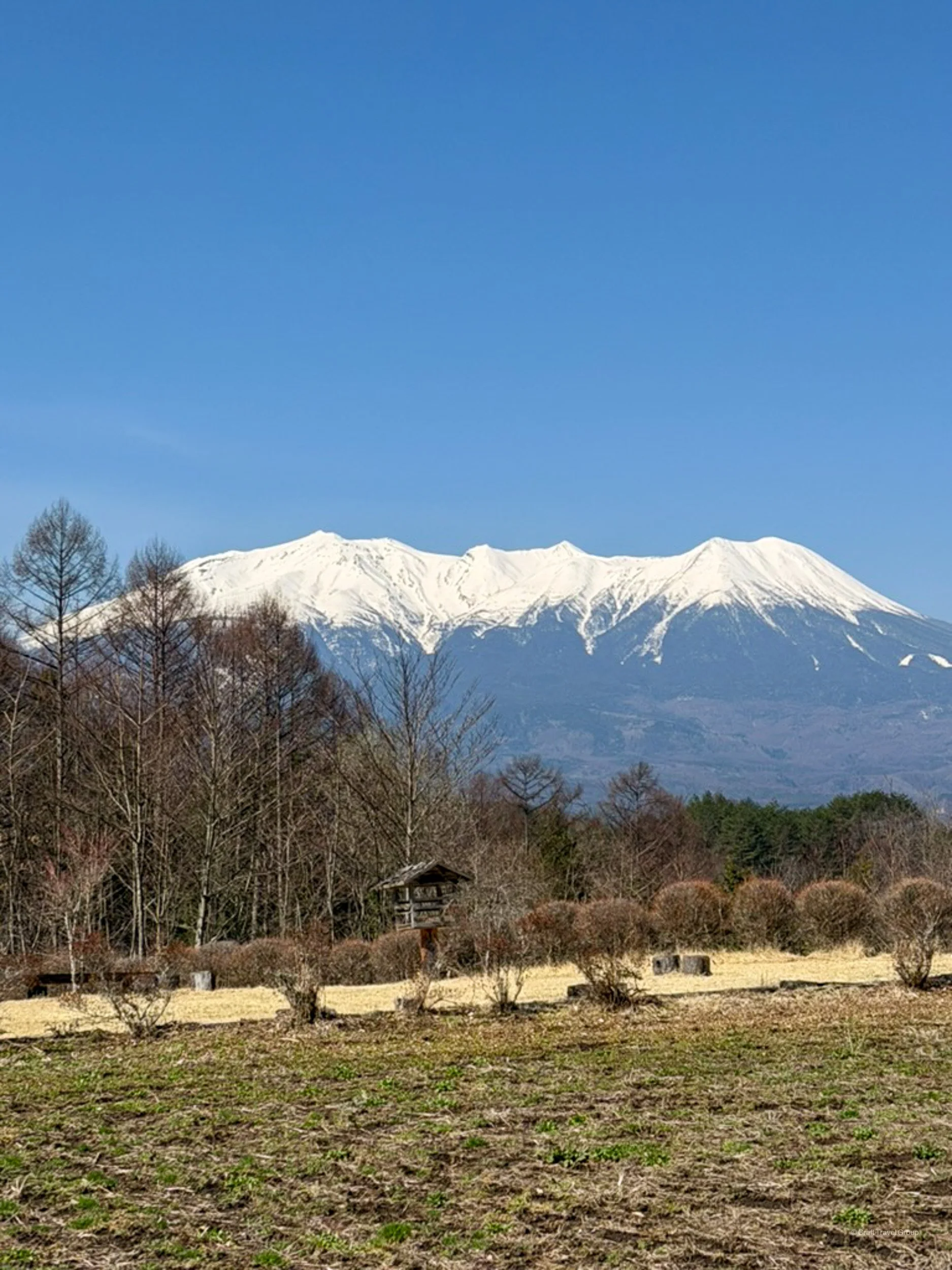
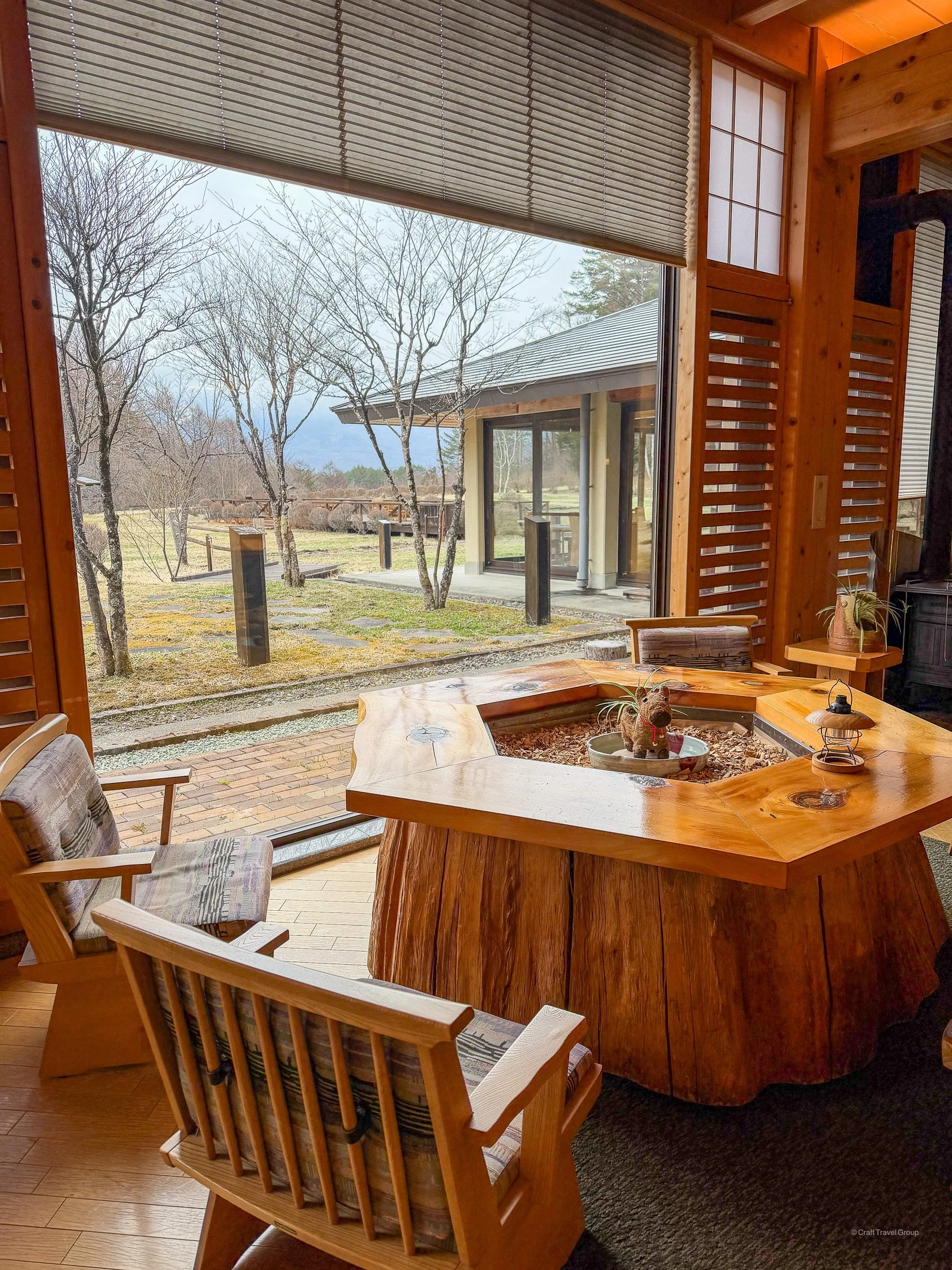
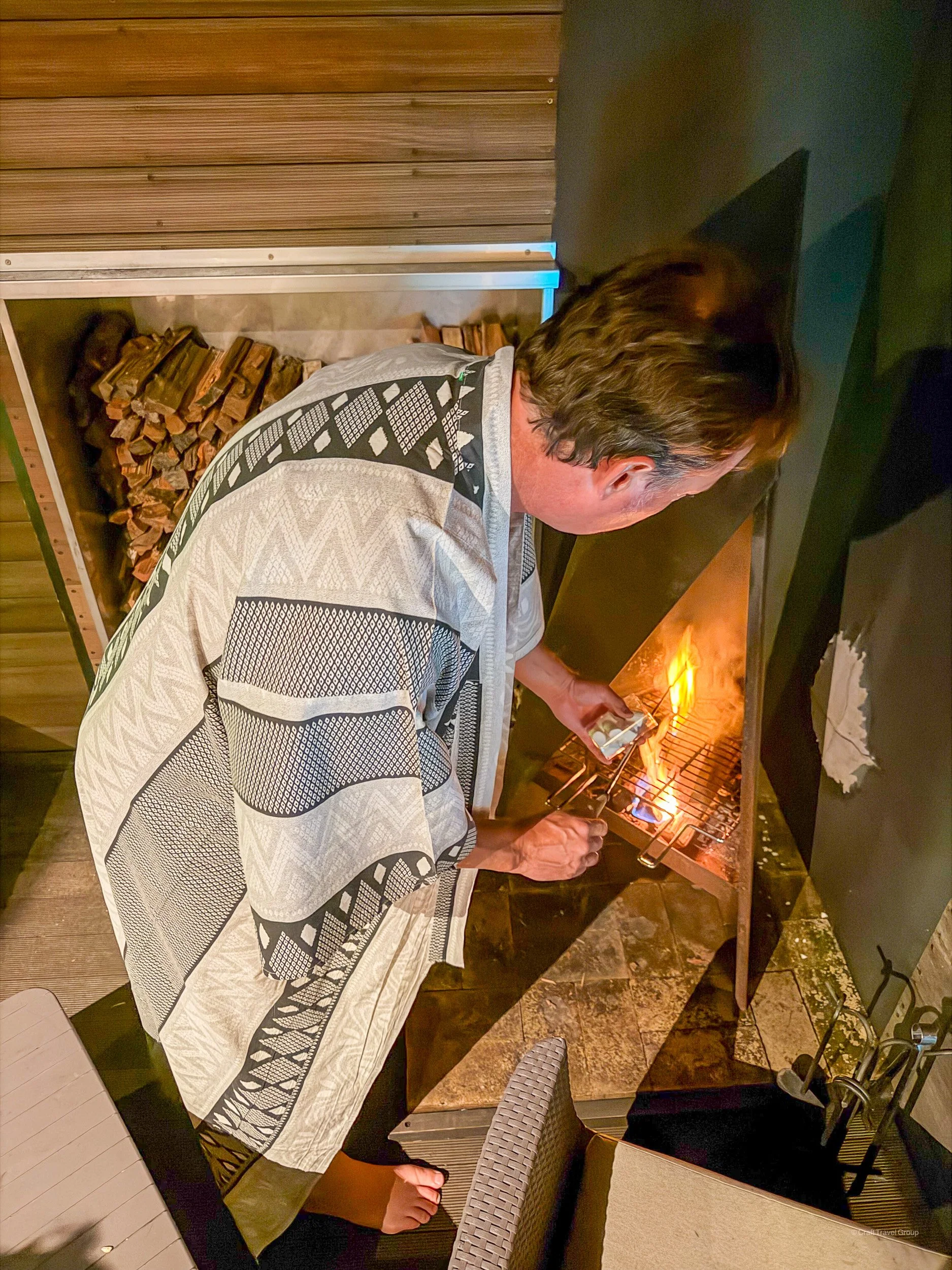
While in the Kiso Valley we stayed at Tsutaya Tokinoyado Kazari, a more modern styled ryokan located in the Kaida Highlands with spectacular views of Mt. Ontake, Japan’s second highest volcano. Our suite with sauna featured a huge outdoor terrace, with its own tent sauna, onsen bath, cold plunge bath, and wood fireplace (smores making ingredients provided) and a fridge stocked with complimentary Pocari Sweat & Oronamin C. We happily fueled ourselves with this local vitamin packed hydration boost combo while making use of our tent sauna. Tsutaya Tokinoyado Kazari typically caters more to European travelers and while a perfectly fine stay, it lacked a bit of the authentic charm of our previous accommodations. The private free use sake and whisky den included with the room was a nice touch. It's an easy (and beautiful) drive to locations along the Nakasendō Trail if you have a car, but they also provide shuttles to the local train station.
Tokyo: High-Rise Luxury and Kawaii Chaos
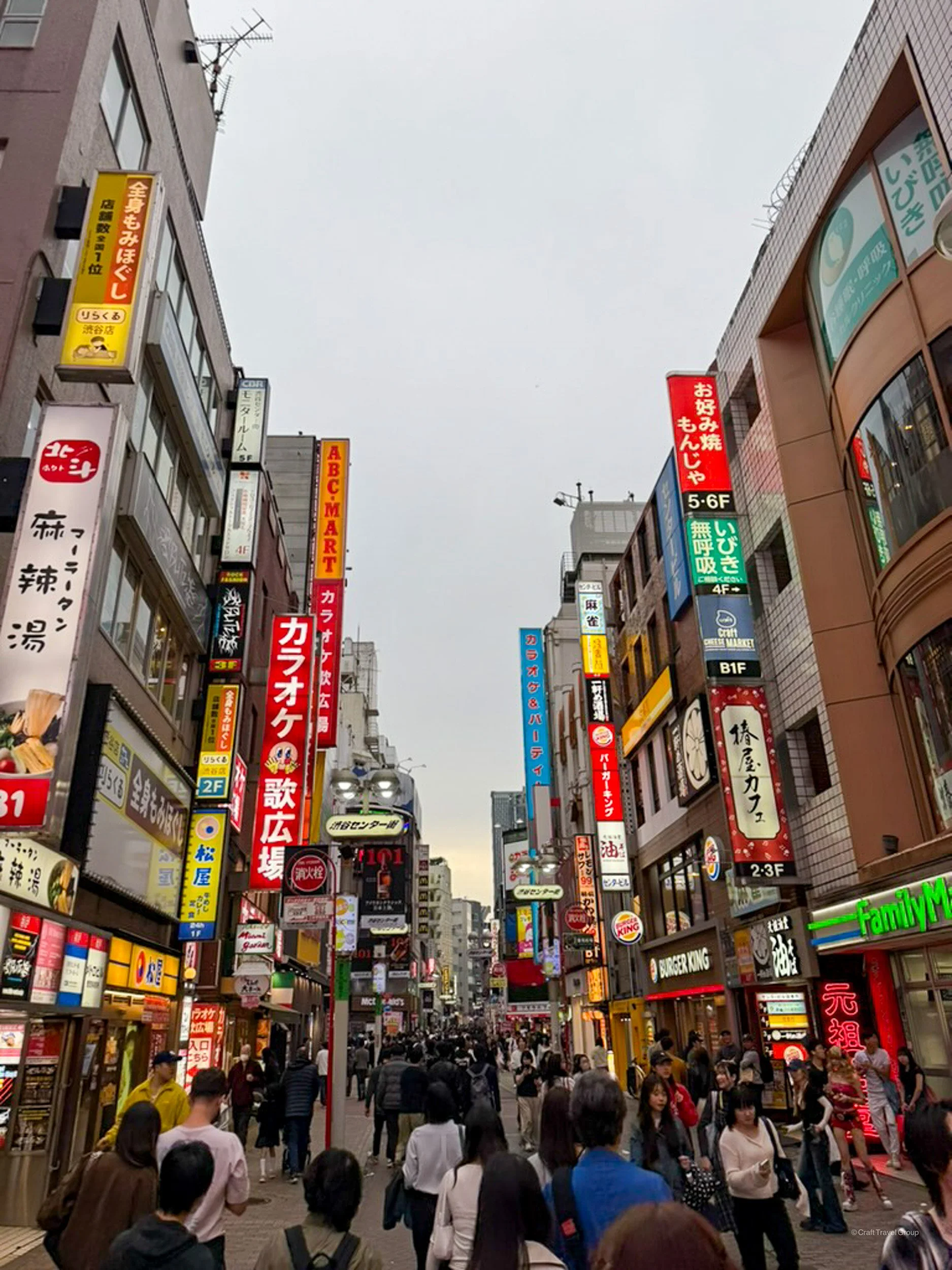
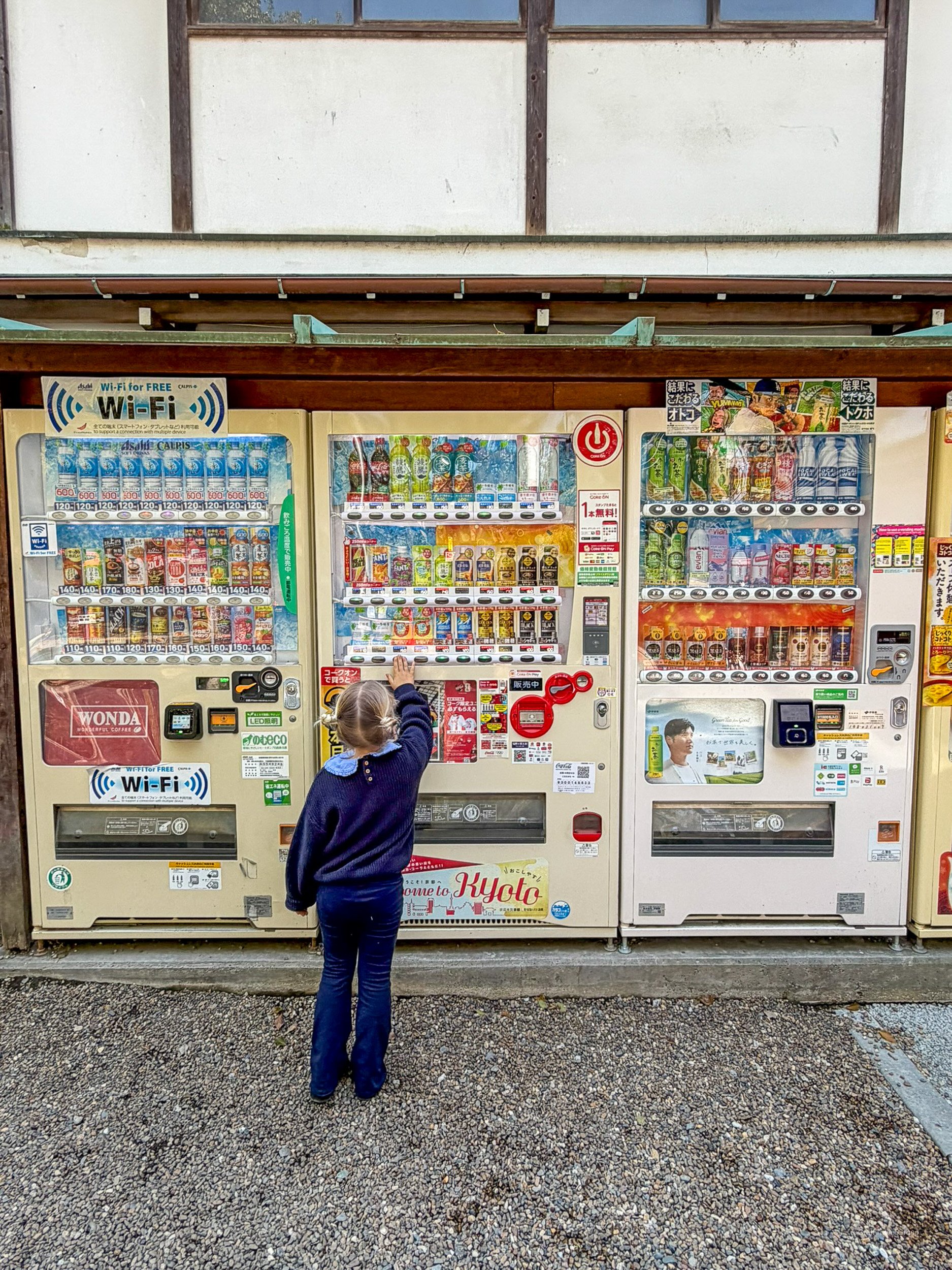
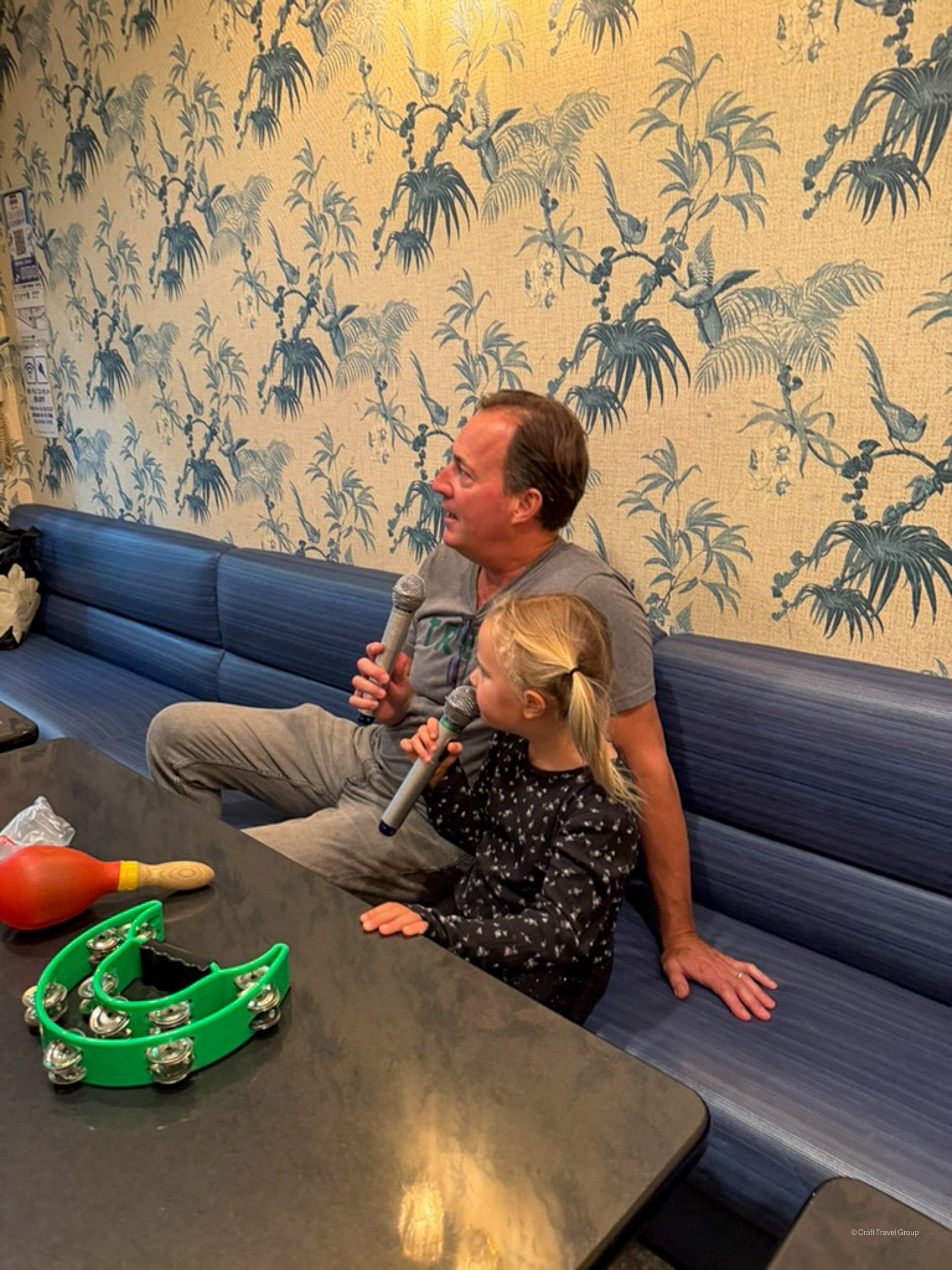
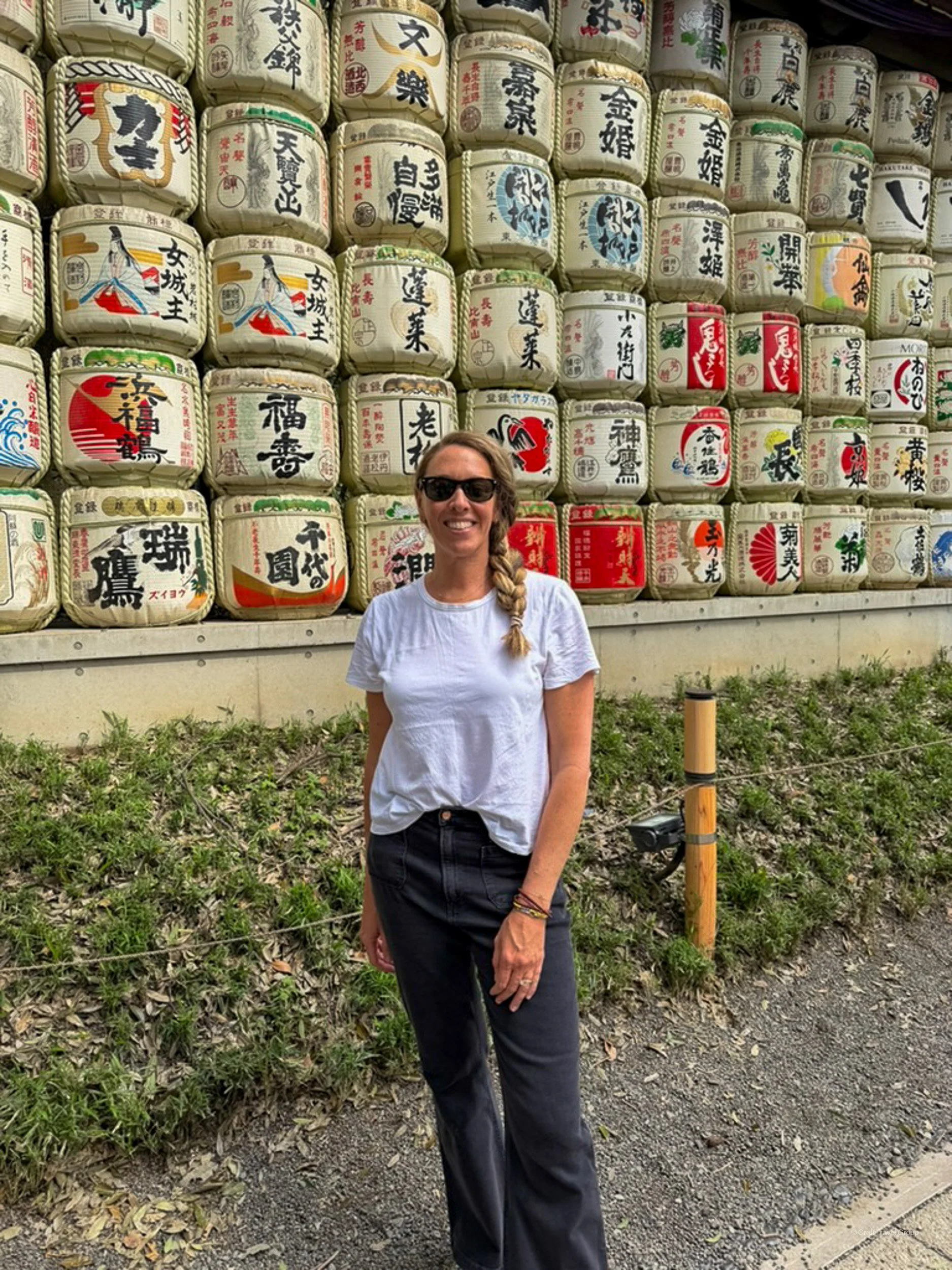
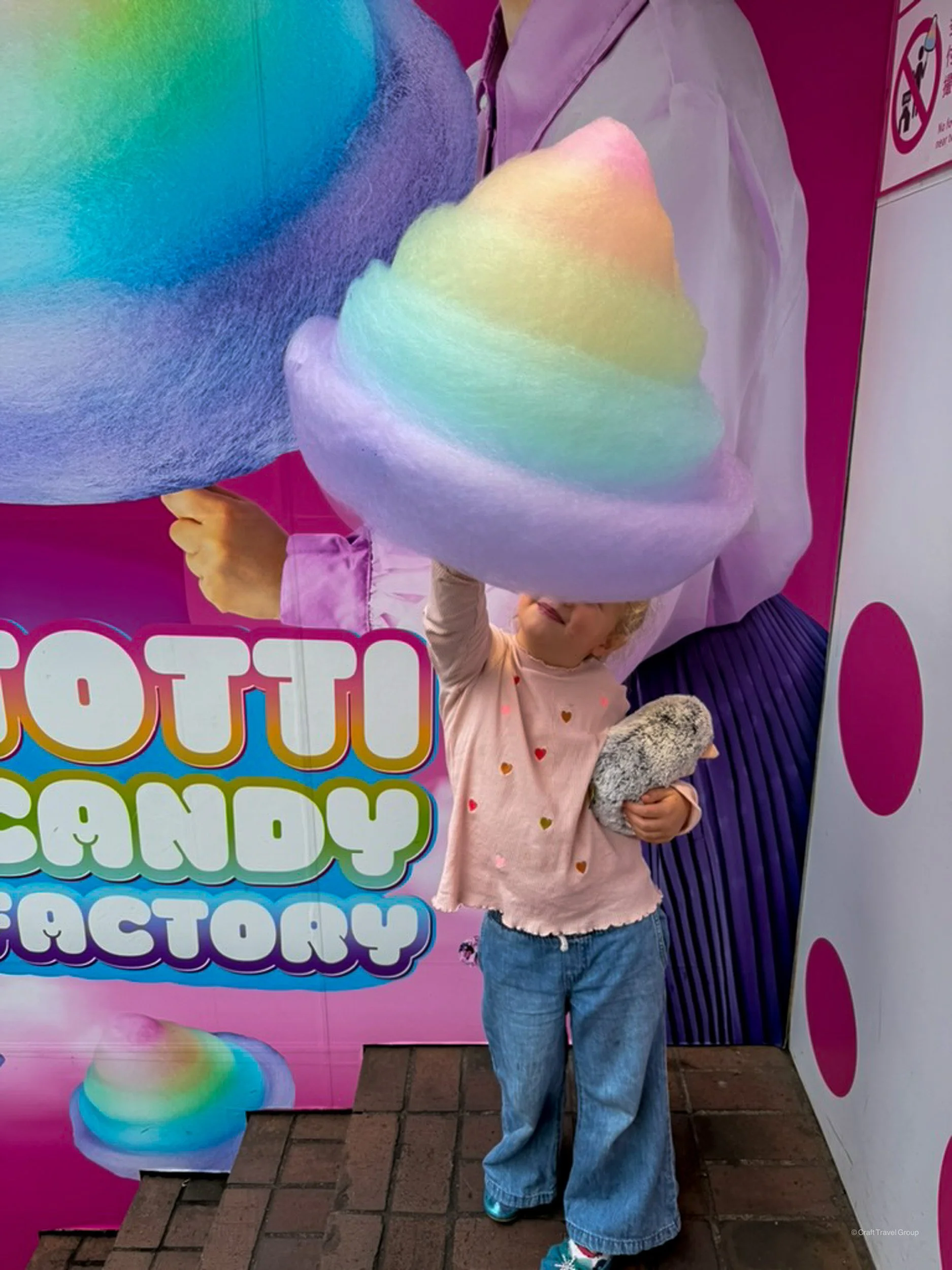
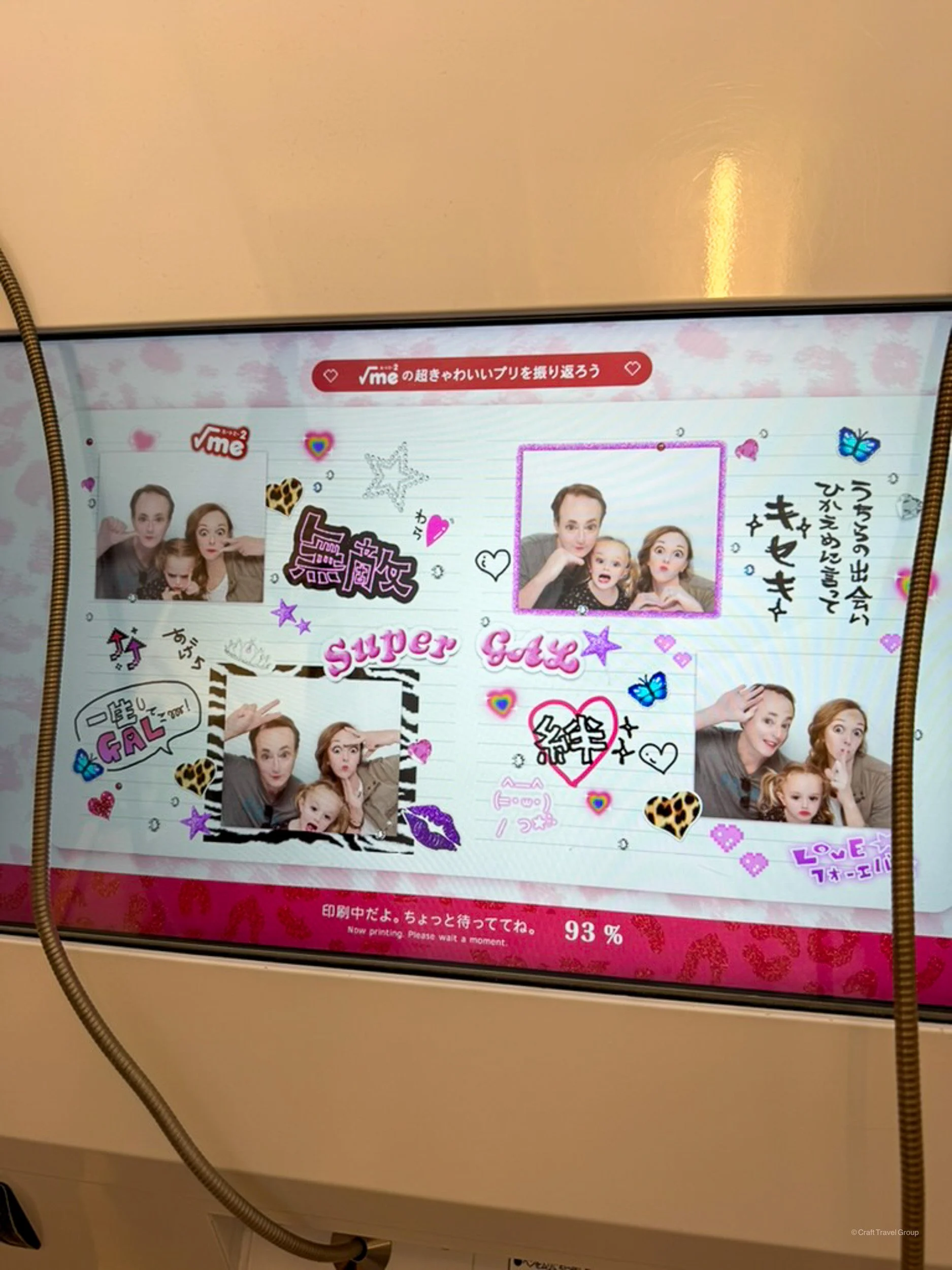
After all the culture and quiet nature of the Alps, we dedicated our time in Tokyo to fully embracing the city’s fun and quirky side for Fia. Dog cafés, petting hedgehogs in Harajuku, enormous rainbow cotton candy, kaiten sushi, purikura (arguably more for me), hide-and-seek in Yoyogi Park, karaoke, and a visit to Kiddyland, four-story toy store filled with cute kawaii goodies. Of course, we also crossed Shibuya and made a stop at @cosme to stock up on Japanese and Korean beauty products for myself.
This was our second time in Tokyo, so we didn’t feel pressure to see the major sights. If anything, it made me realize that it’s the quieter, more traditional side of Japan that I’m personally most drawn to. I think it’s worth considering what kind of Japan experience you’re looking for before planning a trip to Japan. If you’re drawn to modern big cities, bright lights, restaurants, anime, and amusement parks, I’d recommend spending more time in Tokyo and Osaka. If you’re seeking a quieter, traditional side of Japan, there are endless beautiful places to explore beyond the major cities that I recommend including in your itinerary.



Where we Stayed in Tokyo
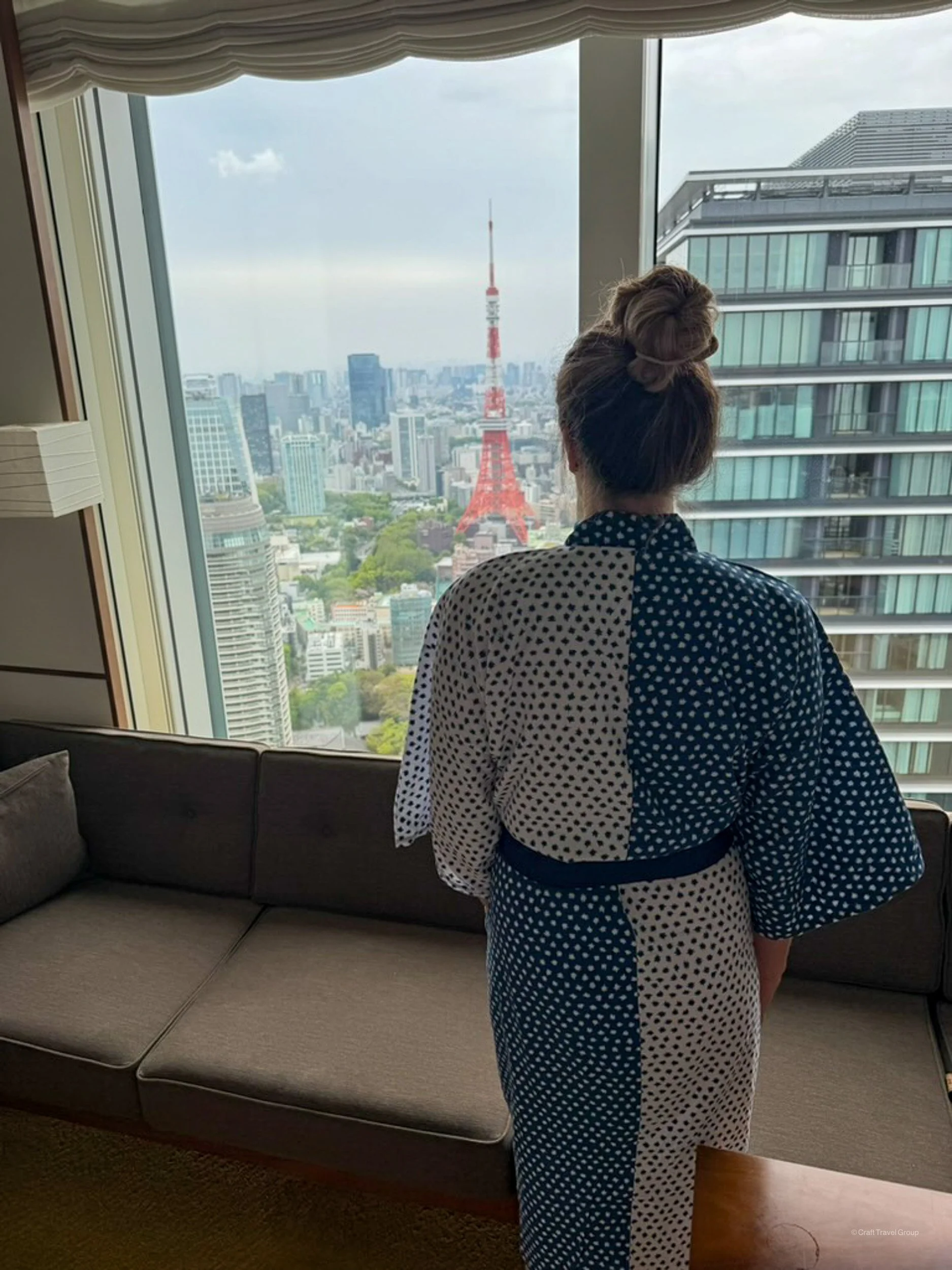
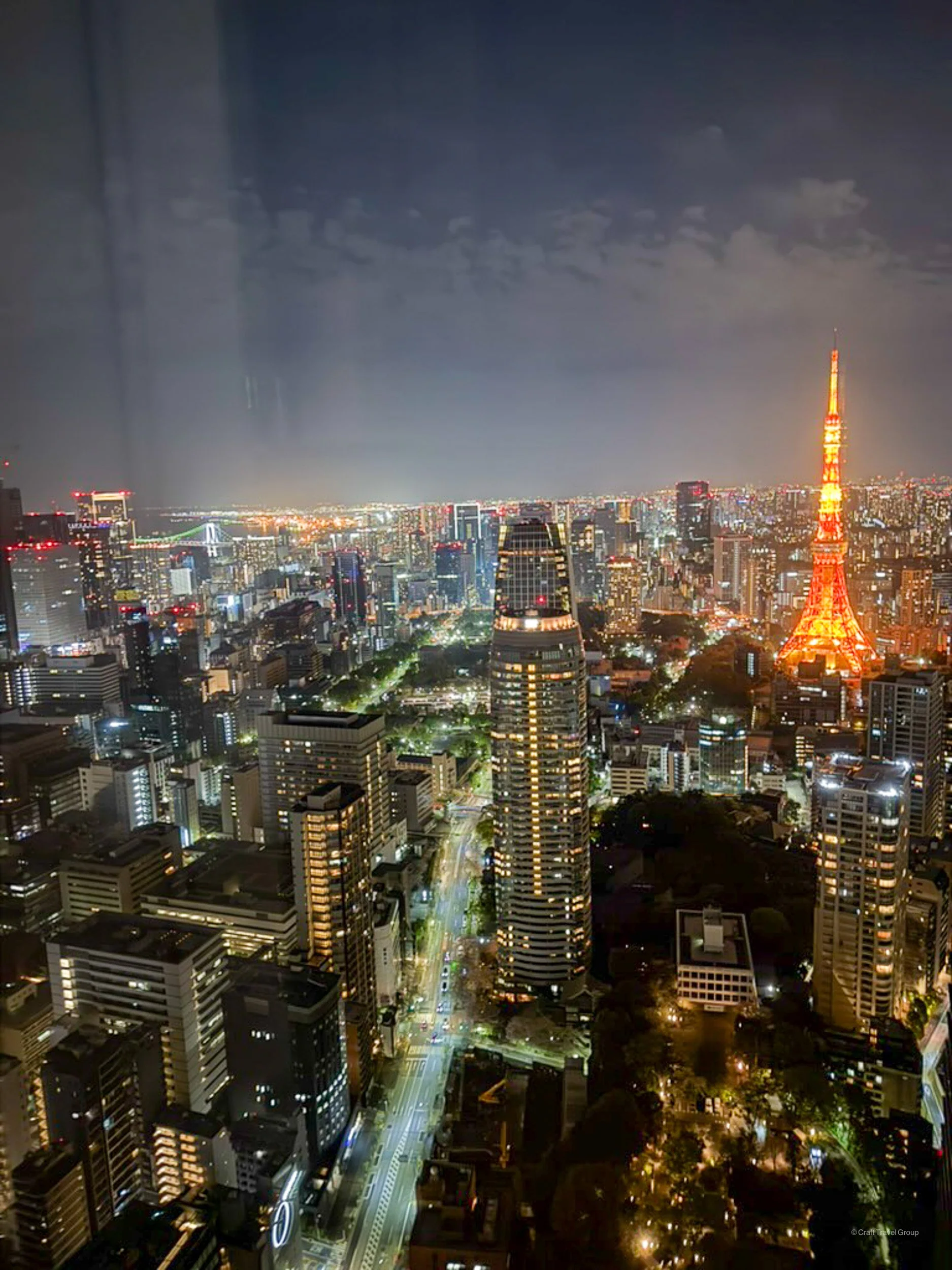
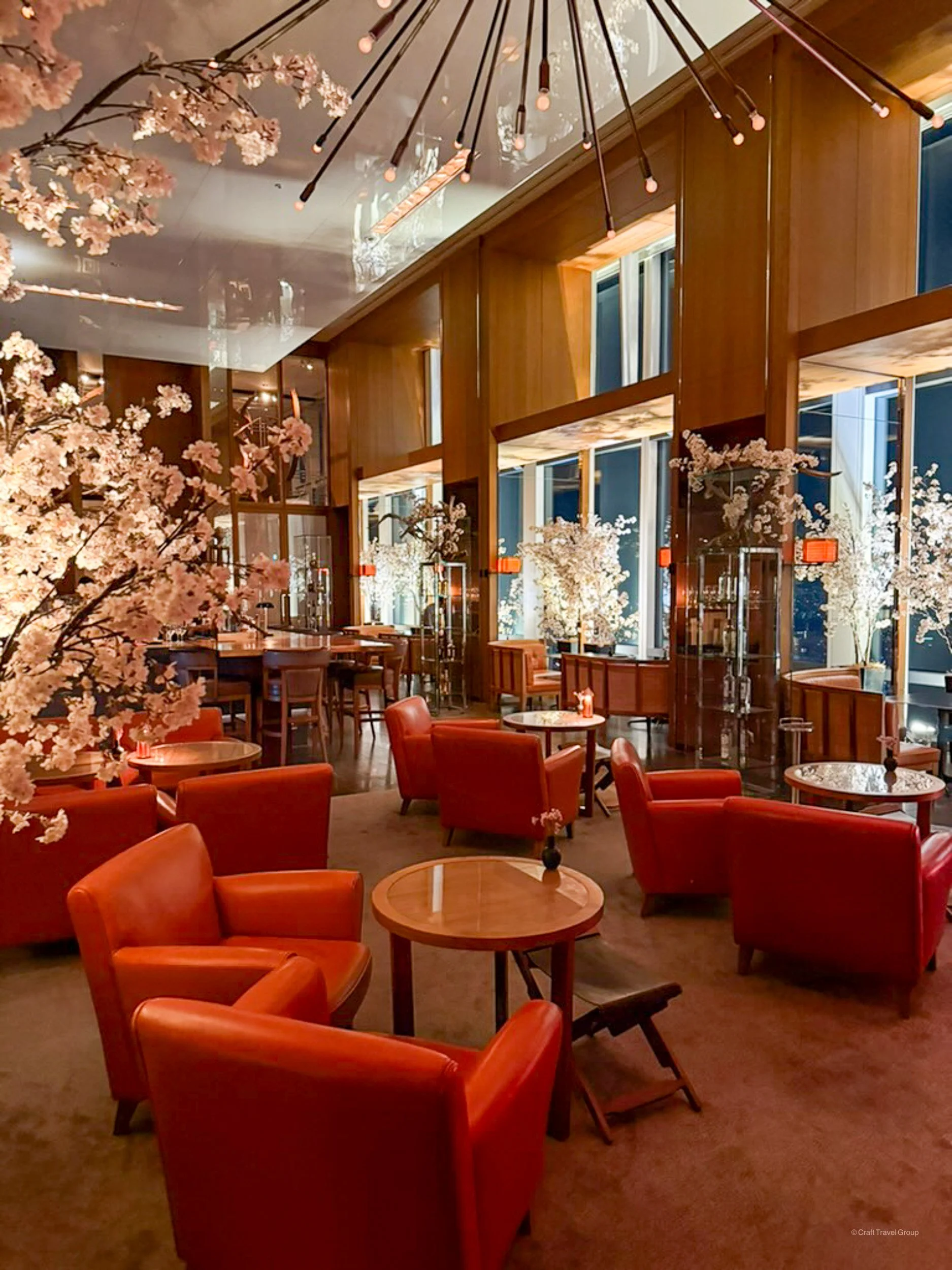
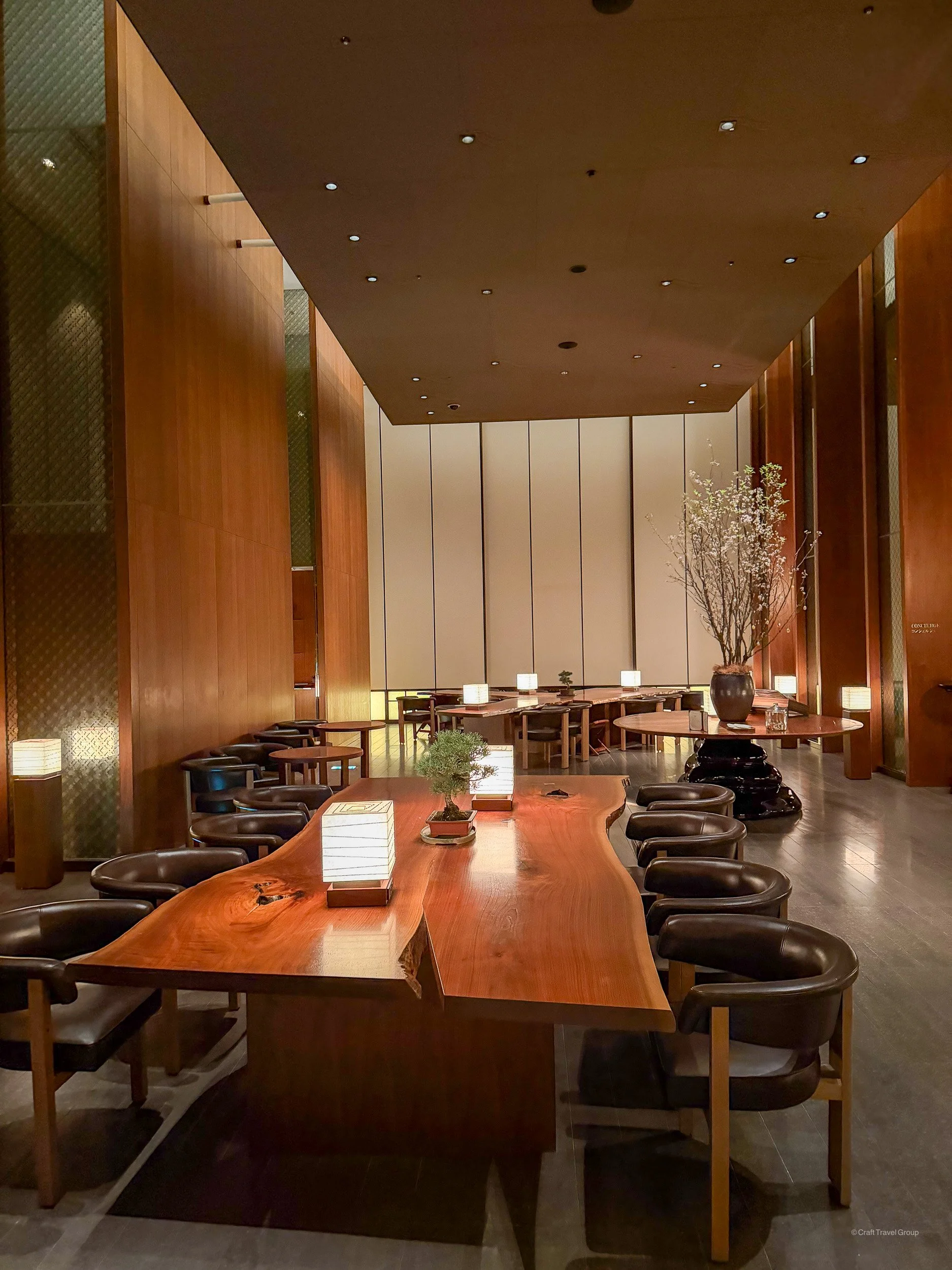
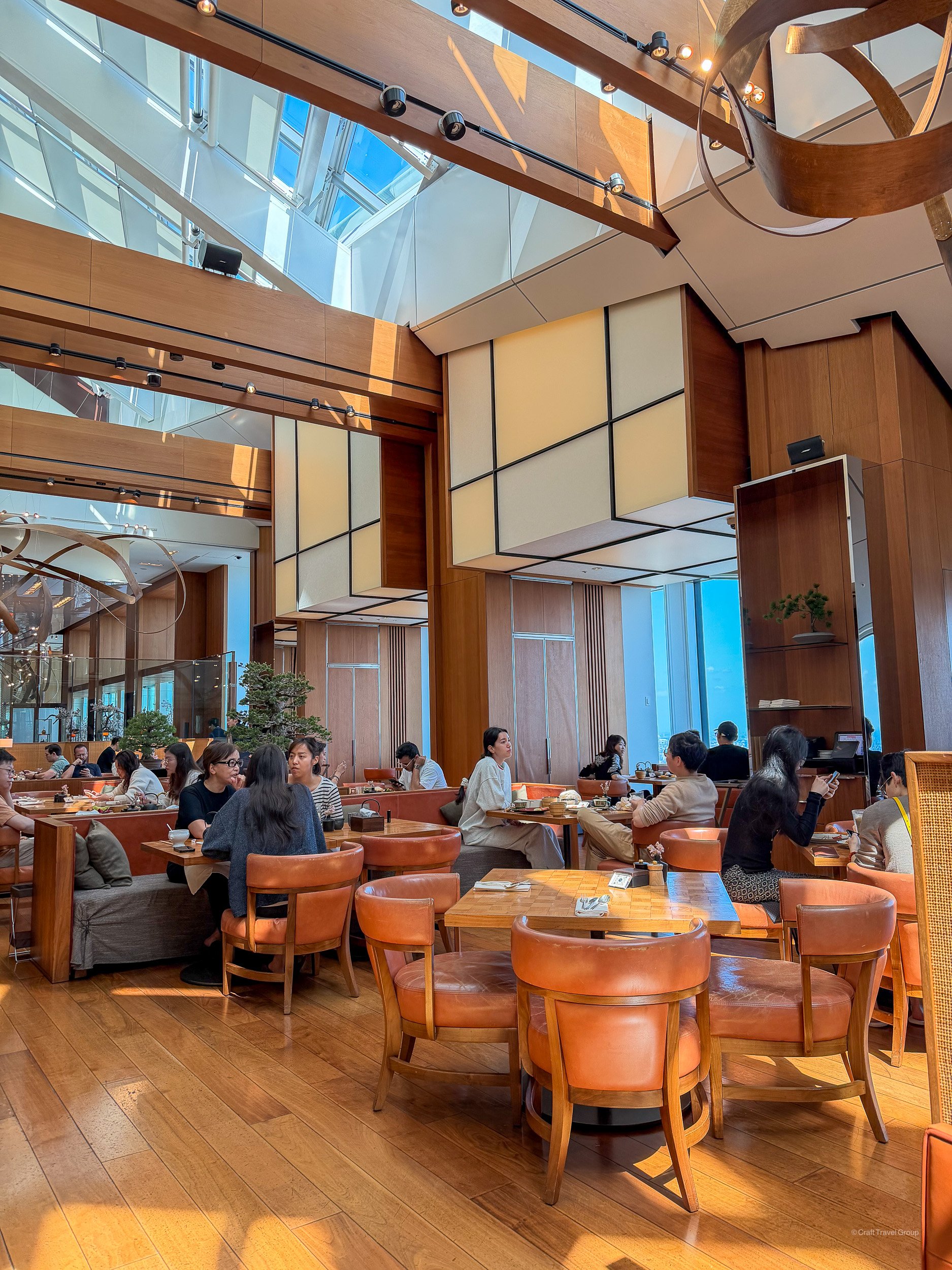
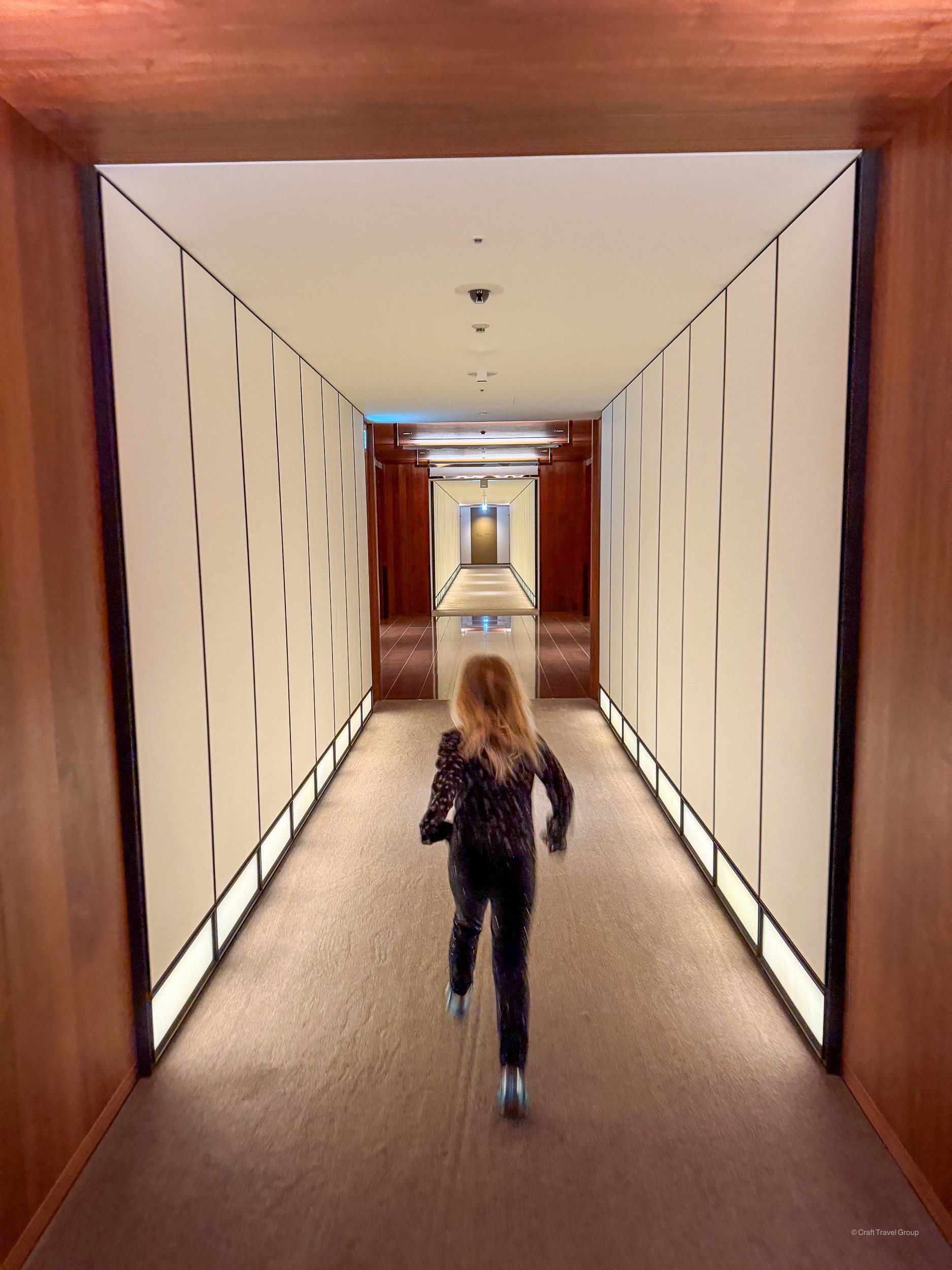
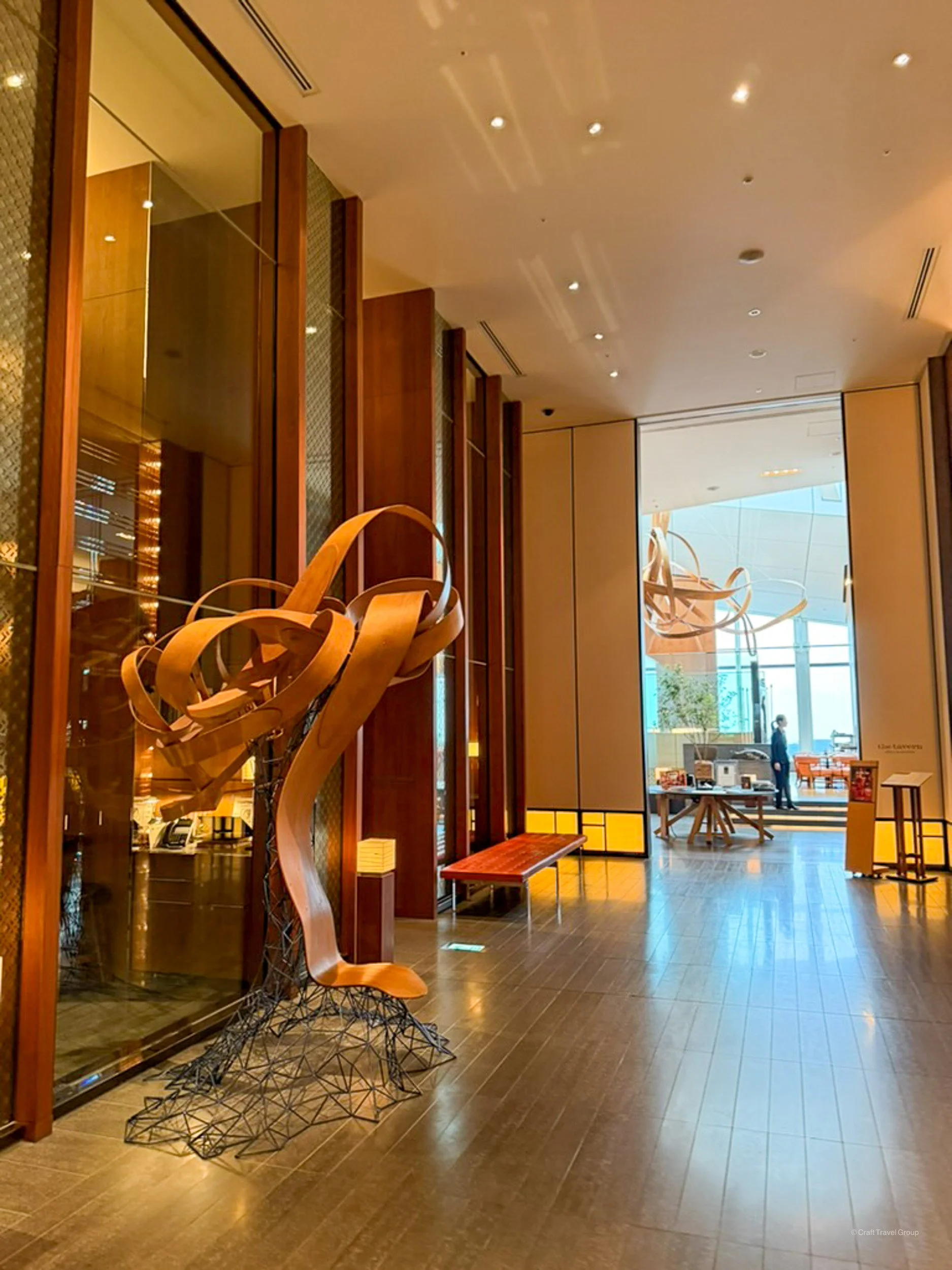
We loved our stay at Andaz Tokyo Toranomon Hills. Occupying the top floors of a high-rise tower, the hotel has incredible panoramic views across Tokyo from the rooms, restaurant, lounge, and rooftop bar. Tokyo is such a visually striking city that staying high above it really enhances the experience. I’d absolutely prioritize a high-rise hotel here for that reason alone.
Service throughout our stay was excellent, and the hotel was especially welcoming with kids. Fia received thoughtful welcome amenities along with stuffed animals, a tiny yukata and slippers. When we unexpectedly needed to take her to a doctor, the concierge arranged everything within minutes. We returned to a handwritten note and treats waiting in the room - small gestures that felt genuinely thoughtful.
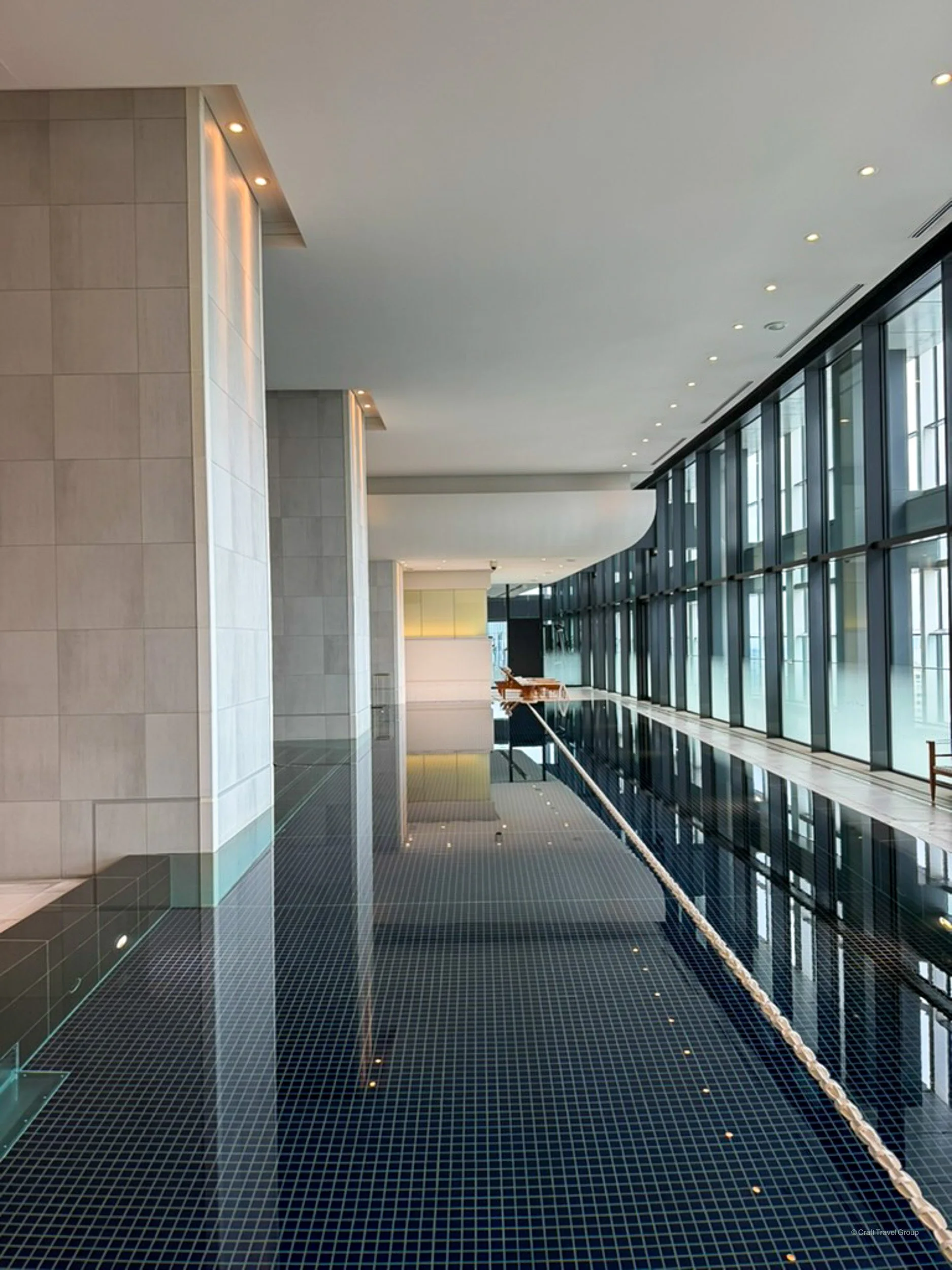
Breakfast was also a highlight, with an extensive buffet of both Japanese and Western options alongside an à la carte menu. The award winning spa and gym were absolute standouts: an indoor 20-meter pool with city views, multiple hydrotherapy areas including a carbonated bath, jet pool, hot baths, cold plunge, sauna and steam room, a well-equipped gym with Technogym equipment, and (this was a first for me) even complimentary workout clothes and shoes to borrow!
The hotel is in Toranomon Hills, a sleek business district connected by restaurants, shops, and a train station directly below. While it lacks the charm or street life of other Tokyo neighborhoods and has fewer restaurants open at night, it’s incredibly convenient and was easy to get around the city by train and taxi.
I was initially hesitant to stay at an American chain in Japan, but Andaz managed to feel polished and international without losing its sense of place. It never felt generic. I also think it’s an especially good option for first-time visitors to Japan, offering a softer landing into the culture while still feeling Japanese.
Overall, it felt like a strong value by Tokyo luxury hotel standards: significantly more affordable at the time of our stay than many comparable properties while still delivering a high-end experience.
Reflections: The Luxury of Presence
Our trip reinforced how deeply and unmistakably itself Japan still is. Even with tourism increasing in recent years, the culture, etiquette, food, and everyday life remain rooted in something far more enduring than travel trends. Rather than being defined by landmarks or “must-see” sights, Japan’s magic is in the culture itself.
In the end, our trip to Japan wasn’t about checking off destinations or trying to see everything: it was about learning to slow down within a country that rewards attention and presence. What stood out most wasn’t any single place, but how meaningful it felt to experience Japan at a gentler pace.
Traveling this way also clarified something for me: the most memorable moments rarely come from doing more, but from being fully in the place you find yourself in the moment. Whether it was soaking in an outdoor onsen as snow fell over the mountains, sharing quiet meals in small ryokans, or laughing through the chaos of Tokyo with our daughter, the trip became less about movement and more about presence.
Designer Notebook
This itinerary was designed and vetted on the ground by Clare McClanahan, a luxury travel advisor specializing in bespoke cultural immersions. Spanning five distinct regions, two ultra-luxury urban properties, and three traditional alpine ryokans, this perspective bypasses standard internet research to deliver a firsthand blueprint for intentional, slow-paced family travel in high-demand destinations.