
The Expert’s Guide to an Antarctica Expedition
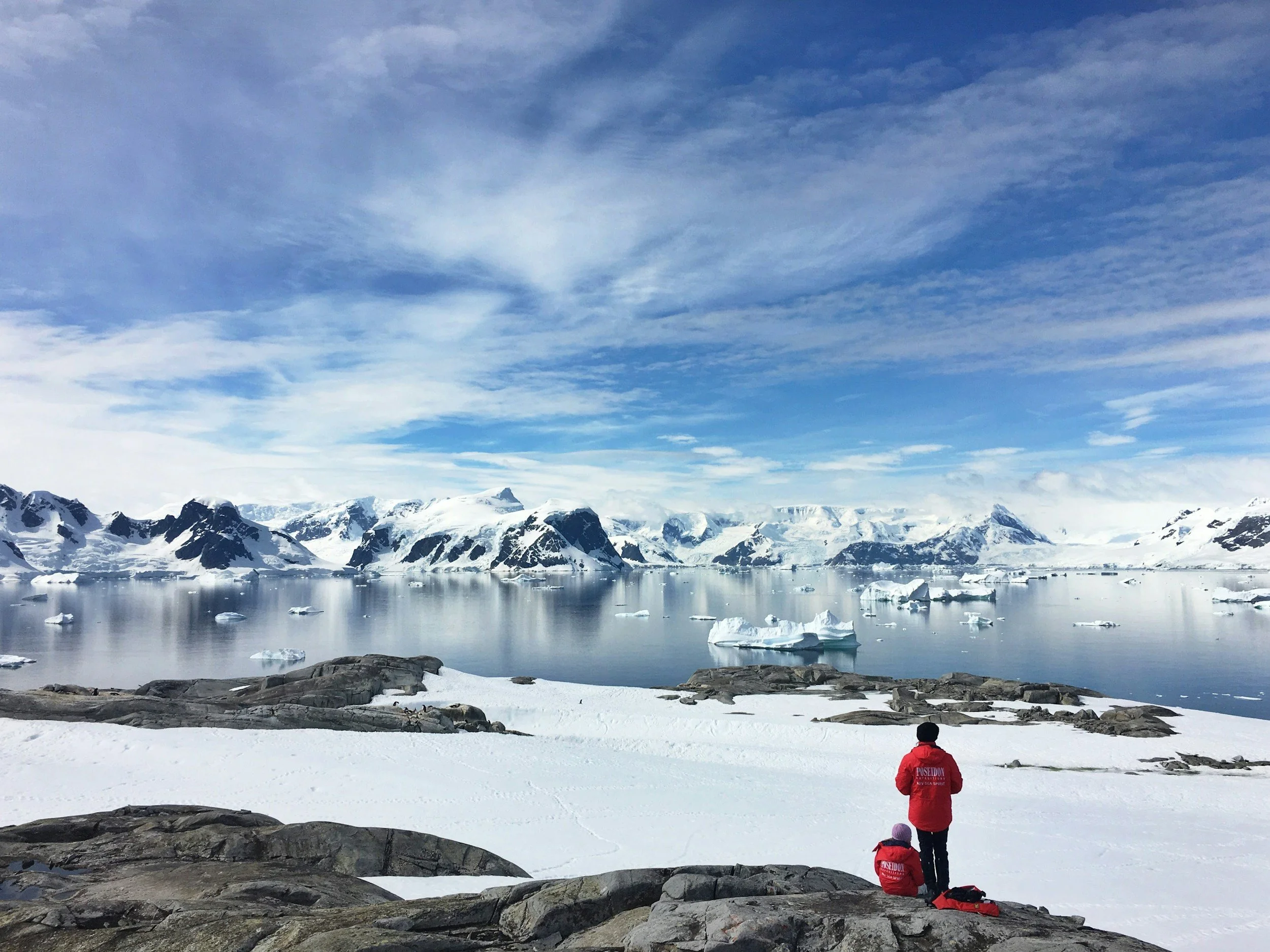
Antarctica is the final frontier of travel. It is a realm untouched by the trappings of the modern world, offering an adventure unlike any other. But an Antarctica expedition is not a mere vacation; it is a complex logistical operation that requires a level of readiness and understanding unlike any other travel experience.
The industry is guiding rigs by a dual compass: one for the crown of luxury, and the other for the weight of responsibility in the delicate dance between human visitation and conservation. To navigate this, you need more than a poetic description of ice; you need a strategy.
This guide moves beyond the postcards to prepare you for the reality of the White Continent—from the "Drake Shake" to the daily rhythm of the Zodiacs.
Getting There: The Drake Passage vs. The Air Bridge
The first decision you must make is how to arrive.
1. The Classic Crossing (The Drake Passage)
For centuries, the only way to reach Antarctica was to earn it. Crossing the Drake Passage—the body of water between South America’s tip and the Antarctic Peninsula—takes roughly 48 hours.
The Reality: It is known for unpredictable seas (the "Drake Shake") or surprisingly calm waters (the "Drake Lake").
The Benefit: It is a rite of passage for many explorers and offers extra time for lectures and wildlife spotting (albatrosses and whales) before arrival.
2. The Antarctica Air Cruise (The Fly-Cruise)
For those limited on time or prone to seasickness, the "Air Cruise" is a game-changer. You fly a two-hour charter from Punta Arenas, Chile, directly to King George Island, skipping the Drake entirely. You then board your expedition vessel which is waiting for you in calm Antarctic waters.
Choosing Your Vessel: Expedition vs. Luxury
Not all ships are created equal. In Antarctica, the size of your ship dictates your experience.
The Golden Rule: Regulations often limit the number of passengers on shore to 100 at a time.
Large Ships (500+ passengers): You may be restricted to "cruise-only" experiences where you look at the continent but rarely set foot on it.
Expedition Ships (Under 200 passengers): These are Craft Travel’s preference. Smaller vessels maximize your time on shore. Because the ship carries fewer people, you rotate through landings and Zodiac cruises efficiently, ensuring you spend your time exploring, not waiting in line.
Ships We Watch:
Magellan Explorer: Perfect for fly-cruises with a modern, boutique feel.
Silver Endeavour: For those who refuse to compromise on ultra-luxury amenities while deep in the Southern Ocean.
Life on Board: The Daily Rhythm
Forget the typical cruise schedule of sleeping in and midnight buffets. Antarctica operates on "Expedition Time."
The Wake-Up Call
The day often begins early. The Expedition Leader’s voice comes over the PA system, not with a rooster's cry, but with an update on weather conditions and our location.
The Mudroom Ritual
Before every excursion, you head to the "Mudroom." This is where you store your wet gear. You will don your waterproof pants, rubber boots (usually provided by the ship), and your parka. It is a communal space of anticipation.
Zodiacs and Landings
You board Zodiacs (rugged inflatable boats) to reach the shore.
Wet Landings: You step from the Zodiac into shallow water, so waterproof boots are non-negotiable.
The Experience: You might spend the morning walking among a Gentoo penguin colony and the afternoon cruising around icebergs looking for leopard seals.
Education & Lectures
During transit times or bad weather, the lounge becomes a university. Marine biologists, glaciologists, and historians provide deep-dive lectures. This isn't just entertainment; it is context. Seeing a glacier is one thing; understanding the physics of calving ice makes the sight profound.
Wildlife: Managing Expectations
Nature sets the schedule here. While wildlife is abundant, seasonality plays a huge role in what you see.
Early Season (Nov - Dec): The ice is pristine, white, and massive. Penguins are courting and nesting.
Mid-Season (Jan - Feb): Penguin chicks are hatching. The days are longest.
Late Season (Feb - March): The best time for whale watching. The chicks are adolescent and active.
Dining: Cuisine at the End of the World
A common misconception is that you will be eating "locally sourced" food. In reality, Antarctica is a protected reserve; we do not fish or forage here.
Instead, luxury expedition ships rely on sophisticated logistics to bring high-quality, fresh ingredients from South America and beyond. Expect hearty meals designed to fuel active days—fresh seafood flown in from Chile, premium steaks, and comforting stews perfect after a cold Zodiac ride.
Essential FAQ
How do I choose an Antarctic cruise?
Focus on the operation first, the ship second. Prioritize small passenger numbers (under 200) to ensure you get off the ship. Decide if you have the stomach for the Drake Passage or if the Fly-Cruise budget is worth the comfort.
What is the best month to cruise to Antarctica?
There is no "best," only "different." Go in December for snow and pristine landscapes. Go in February for whales.
What is the average cost of a cruise to Antarctica?
Pricing varies wildly based on the vessel and route. Generally, expect a range of [$12,000 to $35,000+] per person. Fly-cruises tend to command a premium due to the logistics of the charter flights.
How many days is enough?
We recommend a minimum of an 8-day itinerary for Fly-Cruises, and 10-12 days for crossing the Drake. You want at least 4 full days exploring the Peninsula.
Connectivity & Disconnection
While most modern ships offer Starlink or satellite Wi-Fi, we encourage a "digital detox." The connection can be expensive and slower than home. Use this opportunity to disconnect from the grid and connect with the landscape.
Packing: The Layering System
You don't need a spacesuit, but you do need layers.
Base Layer: Merino wool (top and bottom).
Mid Layer: Fleece or light down jacket.
Outer Layer: Waterproof pants (mandatory) and the Expedition Parka (usually provided by the ship).
Accessories: Waterproof gloves, warm hat, and polarized sunglasses are essential.
Authority Context
Why Trust This Guide?
This review is not based on internet research. It is the result of years of operational vetting by the Craft Travel team. Author Andrea Galvez, Director at Craft, oversees product development in the Polar Regions and has personally navigated the logistics of the Southern Cone. We don't just sell these trips; we vet the vessels, the flight paths, and the operators to ensure your journey to the White Continent is safe, seamless, and spectacular.
